Podiatry as a Career Choice

Doctors specialize in the prevention, diagnosis, and treatment of many body parts, and podiatrists are experts in all conditions pertaining to the foot and ankle. There are several years of education that must precede becoming a DPM, which is the abbreviation that stands for Doctor of Podiatric Medicine. After obtaining a bachelor's degree, a four-year degree from an accredited podiatry school must be received, followed by a three-year intensive training program otherwise known as a residency. After the national board certification is received, a state license is earned. Each foot has 26 bones and numerous tendons, ligaments, and muscles, and any one of these components can become injured due to an injury or a medical condition. Some of the foot ailments that take people to podiatrists include having tingling or numbing sensations in their feet or having a foot wound that does not heal. Anyone who shows interest in this type of profession is urged to contact a podiatrist who can discuss if a career in podiatry is the correct choice for them.

If you are experiencing pain in the feet or ankles, don’t join the stubborn majority refusing treatment. Feel free to contact Frederick Matthews, DPM from Innovative Foot and Ankle Care. Our doctor can provide the care you need to keep you pain-free and on your feet.

What Is a Podiatrist?

Someone would seek the care of a podiatrist if they have suffered a foot injury or have common foot ailments such as heal spurs, bunions, arch problems, deformities, ingrown toenails, corns, foot and ankle problems, etc.

Podiatric Treatment

A podiatrist will treat the problematic areas of the feet, ankle or lower leg by prescribing the following:

  • Physical therapy
  • Drugs
  • Orthotic inserts or soles
  • Surgery on lower extremity fractures

A common podiatric procedure a podiatrist will use is a scanner or force plate which will allow the podiatrist to know the designs of orthotics. Patients are then told to follow a series of tasks to complete the treatment. The computer will scan the foot a see which areas show weight distribution and pressure points. The podiatrist will read the analysis and then determine which treatment plans are available.

If you have any questions, please feel free to contact our office located in Plano, TX . We offer the newest diagnostic and treatment technologies for all your foot care needs.
Read more about What is a Podiatrist?

The Difference Between Corns and Calluses

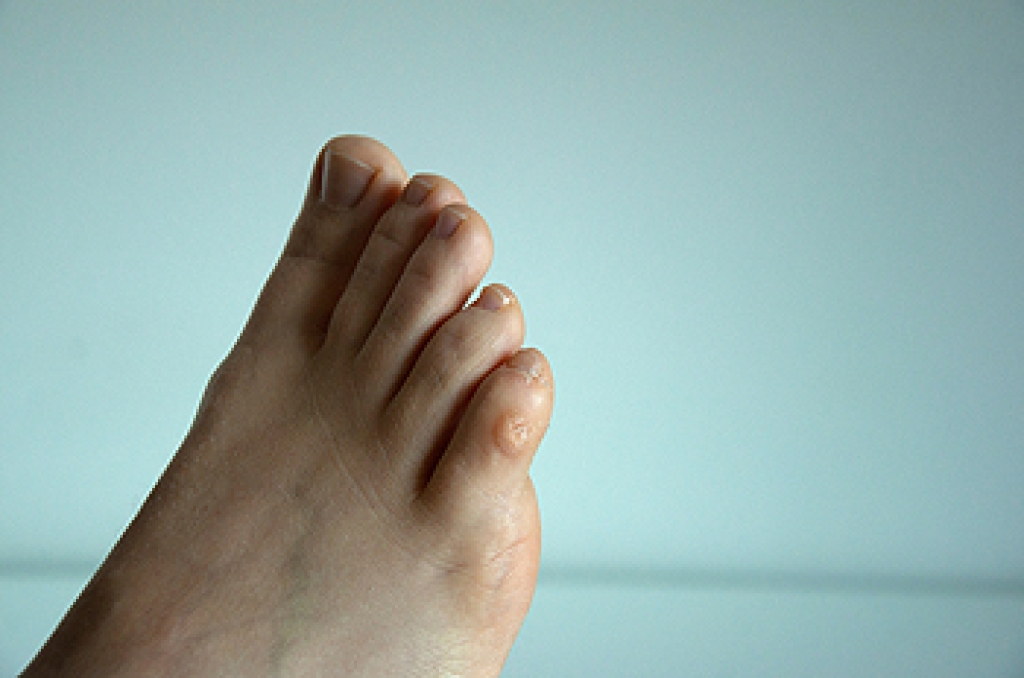
Calluses and corns on the feet are both hardened areas of skin that form as the result of repeated pressure, friction, or rubbing. If you do a lot of walking or running, and especially while wearing shoes that are new or do not fit properly, at some point you are likely to develop a corn or callus. A corn is a hardened area that generally pushes deeper into the skin and can be painful. Three types are hard corns, soft corns, and seed corns. A hard corn is usually yellow and commonly forms on the top or side of a toe. It may contain a hardened kernel in the center, which can become painful when it is under pressure from a shoe. Soft corns are whitish in color and form between the toes. They stay soft because of the moisture that builds up in the feet. Seed corns are tiny bumps that form in clusters on the bottom of the foot, frequently on the ball of the foot or bottom of the heel. A callus is generally spread over a larger area and is not normally painful. They may form on the bottom of the foot, just behind the toes, where excessive walking puts pressure on the bones. Bone deformities may play a part in developing a callus. Painful or irritating corns and calluses can be pared away by a podiatrist, who can safely perform this procedure. 

If you have any concerns regarding your feet and ankles, contact Frederick Matthews, DPM of Innovative Foot and Ankle Care. Our doctor will treat your foot and ankle needs.

Corns: What Are They? and How Do You Get Rid of Them?
Corns can be described as areas of the skin that have thickened to the point of becoming painful or irritating. They are often layers and layers of the skin that have become dry and rough, and are normally smaller than calluses.

Ways to Prevent Corns
There are many ways to get rid of painful corns such as wearing:

  • Well-fitting socks
  • Comfortable shoes that are not tight around your foot
  • Shoes that offer support

Treating Corns
Treatment of corns involves removing the dead skin that has built up in the specific area of the foot. Consult with Our doctor to determine the best treatment option for your case of corns.

If you have any questions, please feel free to contact our office located in Plano, TX . We offer the newest diagnostic and treatment technologies for all your foot care needs.
Read more about Corns: What Are They, and How Do You Get Rid of Them

Elderly Foot Care

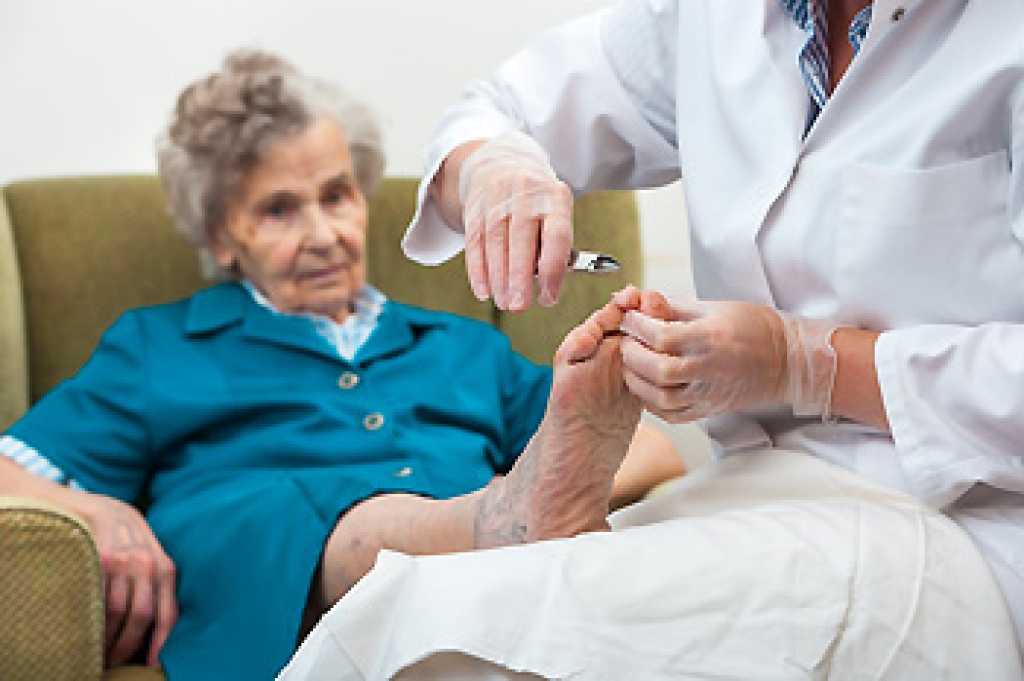
Elderly foot care can help prevent injuries, falls, and complications from chronic diseases like diabetes. Since muscle tissue on the feet can thin and nerves work less effectively with age, one might not feel if they have cuts, blisters, or sores on their feet. Daily examination of the feet with a mirror is therefore important. Wear well-fitting shoes that provide stability. When going outdoors, wear closed-toe shoes to protect your feet and prevent cuts and scrapes. Keep toenails trimmed by cutting them straight across and not too short to avoid ingrown toenails. To promote good circulation, stop smoking if you smoke, stretch your feet each day, prop them up on a stool or couch when sitting, and wiggle your toes when sitting for long periods. Wash your feet daily, dry them well, and apply a moisturizer. Change socks regularly to prevent fungal infections. If you are a senior and have a problem with your feet or just want to ensure your feet remain in good shape, visit a podiatrist regularly for foot checks.

Proper foot care is something many older adults forget to consider. If you have any concerns about your feet and ankles, contact Frederick Matthews, DPM from Innovative Foot and Ankle Care. Our doctor can provide the care you need to keep you pain-free and on your feet.

The Elderly and Their Feet

As we age we start to notice many changes in our body, but the elder population may not notice them right away. Medical conditions may prevent the elderly to take notice of their foot health right away. Poor vision is a lead contributor to not taking action for the elderly.

Common Conditions 

  • Neuropathy – can reduce feeling in the feet and can hide many life-threatening medical conditions.
  • Reduced flexibility – prevents the ability of proper toenail trimming, and foot cleaning. If left untreated, it may lead to further medical issues.
  • Foot sores – amongst the older population can be serious before they are discovered. Some of the problematic conditions they may face are:
  • Gouging toenails affecting nearby toe
  • Shoes that don’t fit properly
  • Pressure sores
  • Loss of circulation in legs & feet
  • Edema & swelling of feet and ankles

Susceptible Infections

Diabetes and poor circulation can cause general loss of sensitivity over the years, turning a simple cut into a serious issue.

If you have any questions, please feel free to contact our office located in Plano, TX . We offer the newest diagnostic and treatment technologies for all your foot care needs.

Read more about Elderly Foot Care

Weight Gain May Result in Larger Feet

People who have gained weight may be concerned that their feet have gotten larger. Weight gain generally affects the overall body, and the feet are no exception. They may increase in length and width, and larger shoes often need to be purchased, which may be bothersome to some people. However, the feet will feel better when comfortable shoes are worn. It is suggested that a healthy diet be consumed, which may start the process of weight reduction, including in the feet. Drinking plenty of water daily, and implementing a gentle exercise routine may accelerate the desired weight loss. Additionally, elevating the feet frequently may reduce excess fluid build-up. Research has shown it may be beneficial to purchase running shoes that are larger, which may help to accommodate the size of the feet as a result of increased blood flow while running. If you would like more information about obesity and how it can affect the feet, please confer with a podiatrist. 

Obesity has become very problematic at this point in time and can have extremely negative effects on the feet. If you’re an obese individual and are concerned about your feet, contact Frederick Matthews, DPM from Innovative Foot and Ankle Care. Our doctor can provide the care you need to keep you pain-free and on your feet.

Obesity and Your Feet

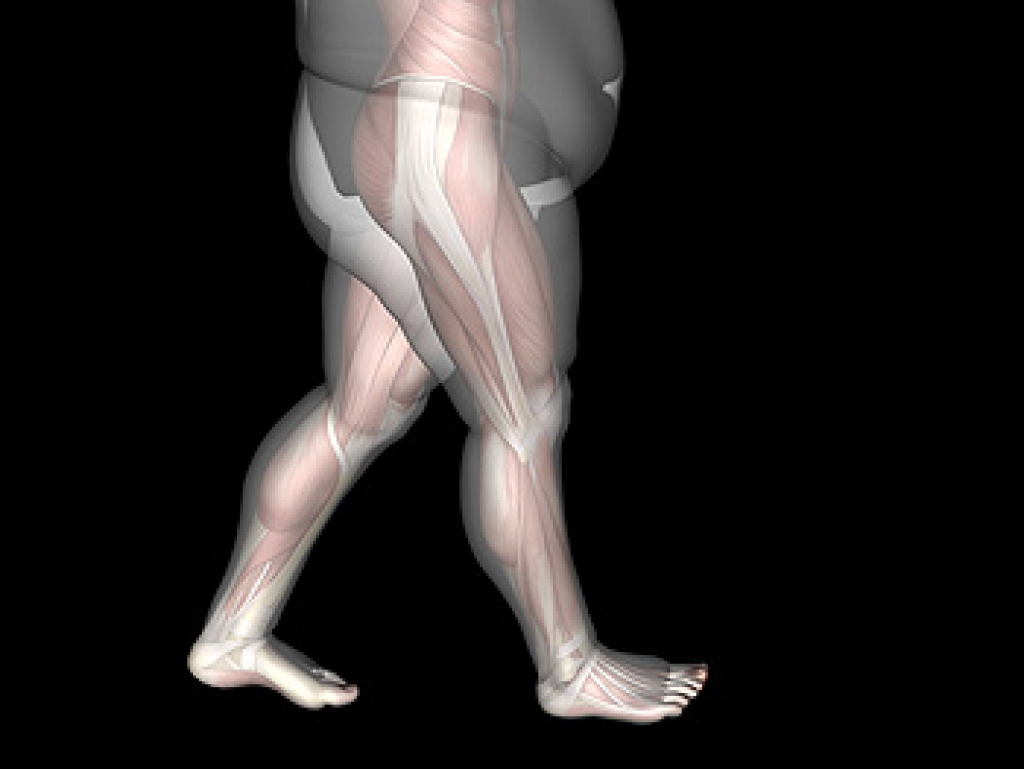
Since your feet are what support your entire weight when standing, any additional weight can result in pain and swelling. Being overweight is one of the main contributors to foot complications.

Problems & Complications

Extra Weight – Even putting on just a few extra pounds could create serious complications for your feet. As your weight increases, your balance and body will shift, creating new stresses on your feet. This uneven weight distribution can cause pain, even while doing the simplest tasks, such as walking.

Diabetes – People who are overweight are at serious risk of developing type-2 diabetes, which has a drastic impact on the health of your feet. As you get older, your diabetes might worsen, which could lead to loss of feeling in your feet, sores, and bruises. You could also become more prone to various infections.

Plantar fasciitis – Pressure and stress that is placed on muscles, joints, and tendons can trigger plantar fasciitis, which is an inflammation of tissue that forms along the bottom of the foot. 

If you have any questions, please feel free to contact our office located in Plano, TX . We offer the newest diagnostic and treatment technologies for all your foot care needs.

Read more about How Obesity Affects Your Feet

Heel Pain in the Morning?

Heel pain can negatively affect your day-to-day life. Simple activities like walking can become incredibly uncomfortable or painful due to heel pain.

Don’t live with heel pain and get treated.

Connect With Us