Understanding Gout and Why It Can Affect Your Feet

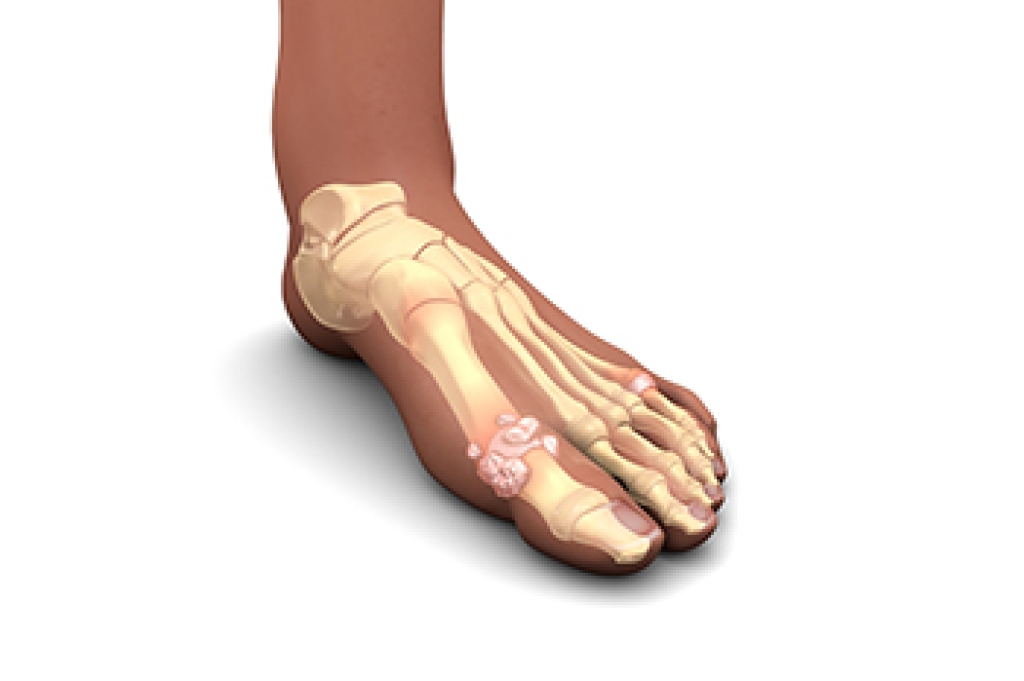
Gout is a form of inflammatory arthritis that often affects the feet, especially the big toe. It develops when uric acid builds up in the blood and forms sharp crystals inside a joint. These crystals trigger inflammation, causing sudden pain, and tenderness. An attack may begin overnight and make walking uncomfortable. Repeated attacks can eventually damage joints or cause tophi, which are firm uric acid deposits beneath the skin.

Several risk factors can increase the chance of developing gout. Family history may raise susceptibility, while obesity, kidney disease, and high blood pressure can also contribute. Certain medications may affect uric acid levels. Regular alcohol use and frequent consumption of purine-rich foods, including some meats and seafood, may increase risk. Dehydration can also contribute to flare-ups. Gout is not caused by one food alone. Genetics, health conditions, and lifestyle habits can all influence uric acid levels.


A podiatrist begins by reviewing your symptoms and medical history, then examining the affected foot. Testing or imaging may be recommended to support the diagnosis and rule out other causes of joint pain. During a gout attack, treatment may include medication to reduce inflammation and control pain. For recurring attacks, your podiatrist may discuss long-term uric acid management. Guidance about hydration, nutrition, and weight management can also help reduce future problems.


Gout can be painful, but recognizing symptoms early gives you an opportunity to seek care before attacks become more frequent. Sudden big-toe pain, swelling, or warmth should not be ignored, especially when symptoms return. A podiatrist can determine whether gout is responsible and create a treatment plan based on your needs. With appropriate care, many people can reduce flare-ups and protect their joints. If you have had one or more gout attacks, it is suggested that you are under the care of a podiatrist who can help you to manage this painful condition.

Gout is a foot condition that requires certain treatment and care. If you are seeking treatment, contact Frederick Matthews, DPM from Innovative Foot and Ankle Care. Our doctor will treat your foot and ankle needs.

What Is Gout?

Gout is a type of arthritis caused by a buildup of uric acid in the bloodstream. It often develops in the foot, especially the big toe area, although it can manifest in other parts of the body as well. Gout can make walking and standing very painful and is especially common in diabetics and the obese.

People typically get gout because of a poor diet. Genetic predisposition is also a factor. The children of parents who have had gout frequently have a chance of developing it themselves.

Gout can easily be identified by redness and inflammation of the big toe and the surrounding areas of the foot. Other symptoms include extreme fatigue, joint pain, and running high fevers. Sometimes corticosteroid drugs can be prescribed to treat gout, but the best way to combat this disease is to get more exercise and eat a better diet.

If you have any questions, please feel free to contact our office located in Plano, TX . We offer the newest diagnostic and treatment technologies for all your foot care needs.
Read more about Everything You Need to Know About Gout

Proper Shoes for Baby’s Growing Feet

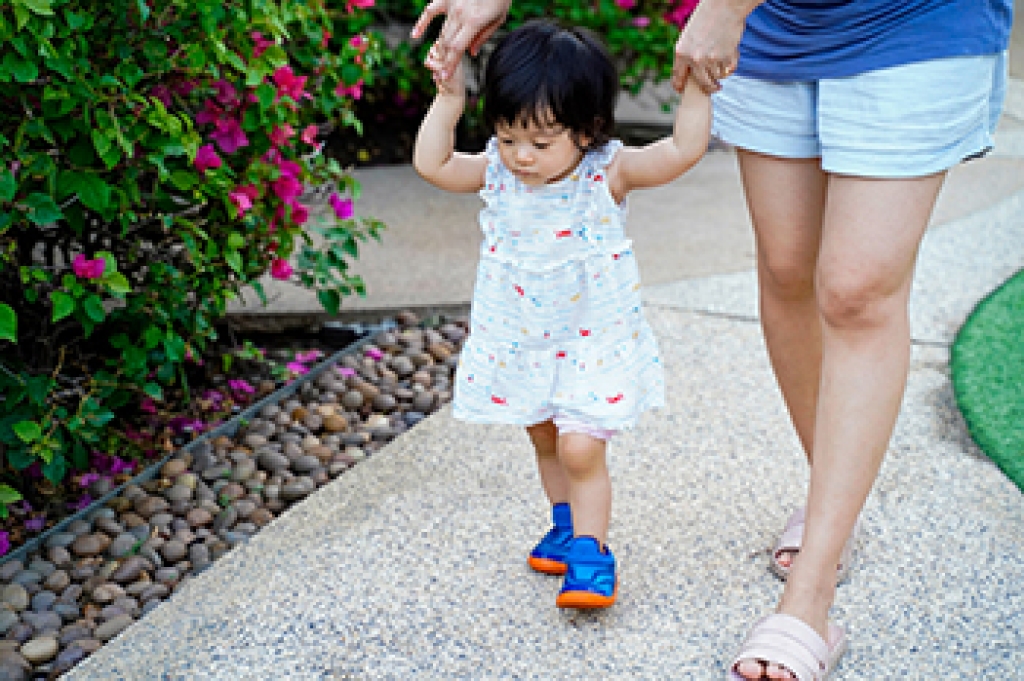
A baby’s feet develop best when they have room to move. Before a baby begins walking outdoors, shoes are unnecessary. In fact, bare feet allow the toes to bend and help foot muscles grow stronger on safe indoor surfaces. Socks provide warmth, but they should not squeeze the toes. Once a child starts walking outdoors, shoes protect the feet from rough ground, sharp objects, and hot surfaces. A toddler’s first pair should be light, flexible, and shaped like the child’s foot. A firm heel area can provide stability without making the shoe stiff.

Proper fit is important because babies and toddlers cannot always explain discomfort. There should be about a finger’s width of space between the longest toe and the shoe’s front. The toe box should let the toes spread without rubbing. Shoes should fit securely at the heel without pinching or slipping. Choose a flexible, non-skid sole that bends near the ball of the foot. Fasteners should keep the shoe in place during play. Parents should check the fit monthly because young feet grow quickly. Red marks, blisters, or changes in walking can signal that the shoes are too tight. Secondhand shoes can be a poor choice because they may already be shaped to another child’s foot.

Podiatric care is helpful when a child frequently trips, avoids walking, or appears to have foot pain. A podiatrist can examine a child’s feet and watch how the child stands and walks. This can identify any problems with balance, foot position, or movement. The podiatrist also can measure both feet and explain which shoe shape offers enough space and support. Some toddlers have one foot that is larger, so shoes should fit the larger foot. An exam can determine whether unusual wear patterns relate to the shoes or foot development. For guidance on proper footwear for an active toddler, it is suggested that you schedule an appointment with a podiatrist who can help you to choose the right shoes for your child. 

The health of a child’s feet is vital to their overall well-being. If you have any questions regarding foot health, contact Frederick Matthews, DPM of Innovative Foot and Ankle Care. Our doctor can provide the care you need to keep you pain-free and on your feet.

Tips for Keeping Children's Feet Healthy

  • Make sure their shoes fit properly
  • Look for any signs of in-toeing or out-toeing
  • Check to see if they have Clubfoot (condition that affects your child’s foot and ankle, twisting the heel and toes inward) which is one of the most common nonmajor birth defects.
  • Lightly cover your baby’s feet (Tight covers may keep your baby from moving their feet freely, and could prevent normal development)
  • Allow your toddler to go shoeless (Shoes can be restricting for a young child’s foot)
  • Cut toenails straight across to avoid ingrown toenails
  • Keep your child’s foot clean and dry
  • Cover cuts and scrapes. Wash any scratches with soap and water and cover them with a bandage until they’ve healed.

If you have any questions, please feel free to contact our office located in Plano, TX . We offer the newest diagnostic and treatment technologies for all your foot care needs.

Read more about What to Do to Keep Your Child’s Feet Healthy

Causes of Heel Bone Fractures

A heel bone fracture can happen when a powerful force drives the heel against a hard surface. Falls from heights and motor vehicle crashes are leading causes. A severe ankle twist can also crack the heel bone, called the calcaneus. Pain, swelling, and bruising can develop quickly. Some patients cannot place weight on the foot, while those with a minor fracture may walk with a limp. The heel can look wider, shorter, or misshapen when pieces of bone move out of position. Because the force may injure other areas, a complete medical evaluation is needed.

A podiatrist examines the foot and ankle for tenderness, skin damage, and changes in heel shape. This also includes checking blood flow, feeling, and toe movement. X-rays can confirm the break and show whether bone pieces have shifted. A CT scan creates detailed pictures and helps the podiatrist understand the fracture pattern. Treatment depends on the injury, the position of the broken pieces, and tissue damage. A cast, splint, or brace can hold a stable fracture in place. Patients must avoid placing weight on the injured foot while the bone heals. When fragments have moved or the heel has lost its normal shape, surgery may be required to realign and secure the bone.

Recovery from a heel bone fracture can take several months, especially after a high-impact injury. The podiatrist monitors healing with examinations and imaging, then advises when weight-bearing can increase. Custom orthotics may improve support and reduce pressure inside the shoe. After treatment, some patients develop stiffness, swelling, or pain. Arthritis can form if the fracture damages the joint below the ankle. These problems may affect balance on uneven ground and make demanding work difficult. Prompt diagnosis helps the podiatrist protect the skin, restore heel alignment, and reduce further problems. If you have injured your heel, it is suggested that you promptly schedule an appointment with a podiatrist for a diagnosis and appropriate treatment.

Many people suffer from bouts of heel pain. For more information, contact Frederick Matthews, DPM of Innovative Foot and Ankle Care. Our doctor can provide the care you need to keep you pain-free and on your feet.

Causes of Heel Pain

Heel pain is often associated with plantar fasciitis. The plantar fascia is a band of tissues that extends along the bottom of the foot. A rip or tear in this ligament can cause inflammation of the tissue.

Achilles tendonitis is another cause of heel pain. Inflammation of the Achilles tendon will cause pain from fractures and muscle tearing. Lack of flexibility is also another symptom.

Heel spurs are another cause of pain. When the tissues of the plantar fascia undergo a great deal of stress, it can lead to ligament separation from the heel bone, causing heel spurs.

Why Might Heel Pain Occur?

  • Wearing ill-fitting shoes                
  • Wearing non-supportive shoes
  • Weight change           
  • Excessive running

Treatments

Heel pain should be treated as soon as possible for immediate results. Keeping your feet in a stress-free environment will help. If you suffer from Achilles tendonitis or plantar fasciitis, applying ice will reduce the swelling. Stretching before an exercise like running will help the muscles. Using all these tips will help make heel pain a condition of the past.

If you have any questions, please feel free to contact our office located in Plano, TX . We offer the newest diagnostic and treatment technologies for all your foot care needs.

Read more about Heel Pain

Connect With Us

Advanced Podiatric Procedures & Services in the Collin County, TX: Plano (Frisco, Allen, Murphy, Lucas) and Dallas County, TX: Garland, Carrollton, Richardson, Farmers Branch, Sachse, Addison areas