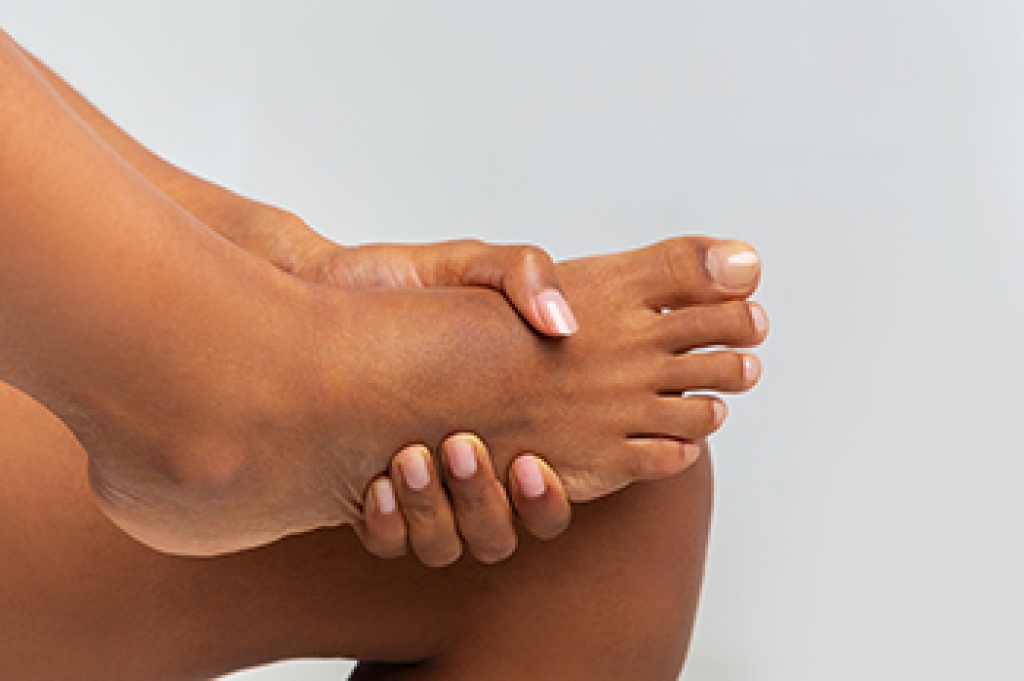
How Do Stress Fractures Occur?

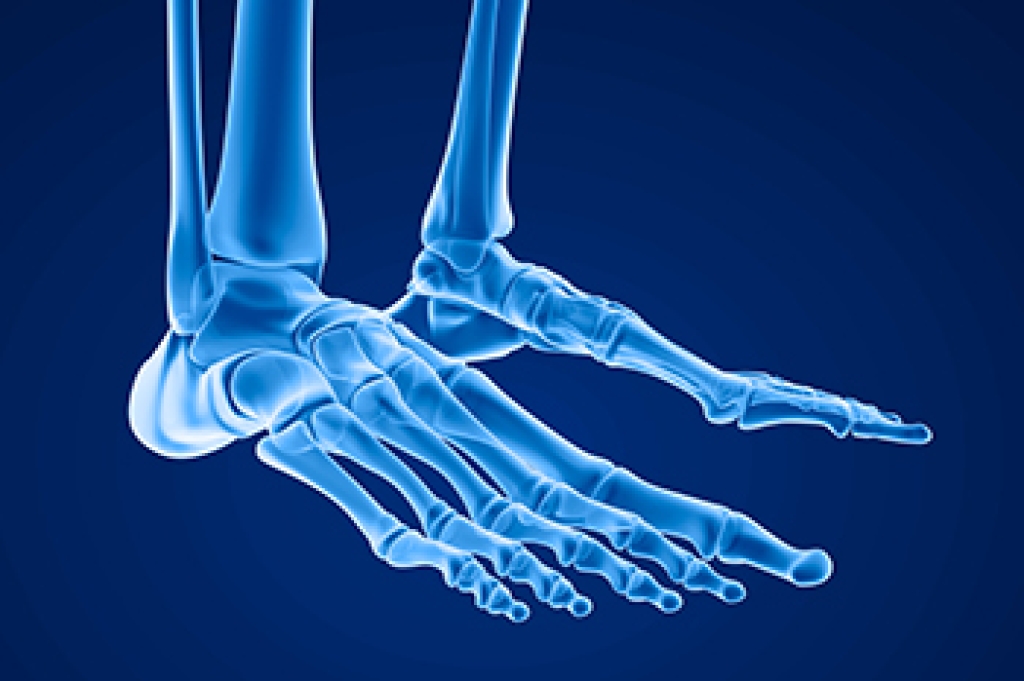
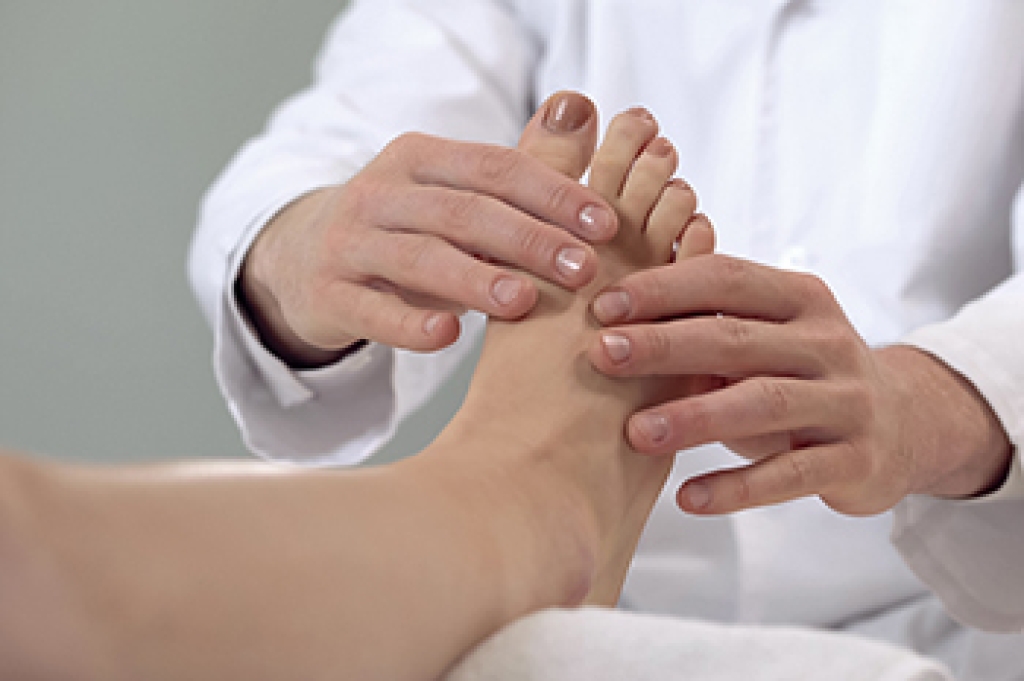
The bones in the foot that connect the ankle to the toes are referred to as the metatarsal bones. A stress fracture can occur when one or more of these bones undergo extreme stress from frequently running or jogging. It can also happen from increasing speed and distance too quickly, and not warming up or cooling down properly before and after running. The pain that stress fractures can cause may expand over the entire foot, and it can feel better when the affected foot is rested. An X-ray is an effective method that can obtain a proper diagnosis, and this is successful in determining the severity of the stress fracture. Once this happens, proper treatment can begin. It generally takes approximately four to twelve weeks for this type of fracture to completely heal, and a special shoe may be worn, which can provide optimum support. It is important to temporarily stop the activity that caused the fracture, which will typically accelerate the healing process. If you have endured a stress fracture, please consult with a podiatrist as quickly as possible who can determine what the best course of treatment is for you. 

Activities where too much pressure is put on the feet can cause stress fractures. To learn more, contact Frederick Matthews, DPM from Innovative Foot and Ankle Care. Our doctor can provide the care you need to keep your pain free and on your feet.

Dealing with Stress Fractures of the Foot and Ankle

Stress fractures occur in the foot and ankle when muscles in these areas weaken from too much or too little use.  The feet and ankles then lose support when walking or running from the impact of the ground. Since there is no protection, the bones receive the full impact of each step. Stress on the feet can cause cracks to form in the bones, thus creating stress fractures.

What Are Stress Fractures?

Stress fractures occur frequently in individuals whose daily activities cause great impact on the feet and ankles. Stress factors are most common among:

  • Runners                                
  • People affected with Osteoporosis
  • Tennis or basketball players
  • Gymnasts
  • High impact workouts

Symptoms

Pain from the fractures occur in the area of the fractures and can be constant or intermittent. It will often cause sharp or dull pain with swelling and tenderness. Engaging in any kind of activity which involves high impact will aggravate pain.

If you have any questions please contact our office located in Plano, TX . We offer the newest diagnostic and treatment technologies for all your foot and ankle needs.
Read more about Dealing with Stress Fractures of the Foot and Ankle

All About the Hindfoot

The human foot is a complex structure that contains a plethora of different bones, ligaments, and muscles. One way that medical professionals distinguish between different parts of the human foot is by using specific terminology to refer to distinct parts of the foot. For example, the hindfoot is a word used to refer to the back portion of the foot. This part of the foot contains the ankle and heel bone, and other joints like the subtalar and talocrural joints. The hind foot is often contrasted with the midfoot and the forefoot. Whereas the hindfoot has larger bones and more ligaments and tendons than the forefoot, it has a smaller amount of bones. If you are interested in learning more about the intricacies of the human foot, contact a podiatrist today.

If you have any concerns about your feet, contact Frederick Matthews, DPM from Innovative Foot and Ankle Care. Our doctor can provide the care you need to keep you pain-free and on your feet.

Biomechanics in Podiatry

Podiatric biomechanics is a particular sector of specialty podiatry with licensed practitioners who are trained to diagnose and treat conditions affecting the foot, ankle and lower leg. Biomechanics deals with the forces that act against the body, causing an interference with the biological structures. It focuses on the movement of the ankle, the foot and the forces that interact with them.

A History of Biomechanics

  • Biomechanics dates back to the BC era in Egypt where evidence of professional foot care has been recorded.
  • In 1974, biomechanics gained a higher profile from the studies of Merton Root, who claimed that by changing or controlling the forces between the ankle and the foot, corrections or conditions could be implemented to gain strength and coordination in the area.

Modern technological improvements are based on past theories and therapeutic processes that provide a better understanding of podiatric concepts for biomechanics. Computers can provide accurate information about the forces and patterns of the feet and lower legs.

Understanding biomechanics of the feet can help improve and eliminate pain, stopping further stress to the foot.

If you have any questions please feel free to contact our office located in Plano, TX . We offer the newest diagnostic and treatment technologies for all your foot and ankle needs.
Read more about Biomechanics in Podiatry

What Do Cracked Heels Look Like

During the summer months when many people are concerned about how their feet look in sandals, you might hear talk about a foot condition known as cracked heels. This condition, also known as heel fissures, can occur as a result of dry weather and old age, among other causes. Cracked heels can look quite unsightly. Typically, an individual with this condition will exhibit deep cracks at the heel, with calluses surrounding the affected area that might also crack. In a case of heel fissures, the heel might even change colors, being slightly red. In some cases, a person with cracked heels might even see bleeding at the heel. Obviously, none of these visual symptoms are desirable.  Prevent or cure cracked heels today by making an appointment with a podiatrist.

Cracked heels are unsightly and can cause further damage to your shoes and feet. If you have any concerns, contact Frederick Matthews, DPM from Innovative Foot and Ankle Care. Our doctor can provide the care you need to keep you pain-free and on your feet.

Cracked Heels

Cracked heels appear unappealing and can make it harder for you walk around in sandals. Aside from looking unpleasant, cracked heels can also tear stockings, socks, and wear out your shoes. There are several methods to help restore a cracked heel and prevent further damage.

How Do You Get Them?

Dry skin is the number one culprit in creating cracked heels. Many athletes, walkers, joggers, and even swimmers suffer from cracked heels. Age and skin oil production play a role to getting cracked heels as well.

Promote Healing

Over the counter medicines can help, especially for those that need instant relief or who suffer from chronic dry feet.

Wear Socks – Wearing socks with medicated creams helps lock in moisture.

Moisturizers – Applying both day and night will help alleviate dryness which causes cracking.

Pumice Stones – These exfoliate and remove dead skin, which allows for smoother moisturizer application and better absorption into the skin. 

Change in Diet

Eating healthy with a well-balanced diet will give the skin a fresh and radiant look. Your body responds to the kinds of food you ingest. Omega-3 fatty acids and zinc supplements can also revitalize skin tissue.

Most importantly, seek professional help if unsure how to proceed in treating cracked heels. A podiatrist will help you with any questions or information needed. 

If you have any questions, please feel free to contact our office located in Plano, TX . We offer the newest diagnostic and treatment technologies for all your foot care needs.

Read more about Solutions for Cracked Heels

Types of Surgery for Hammertoe

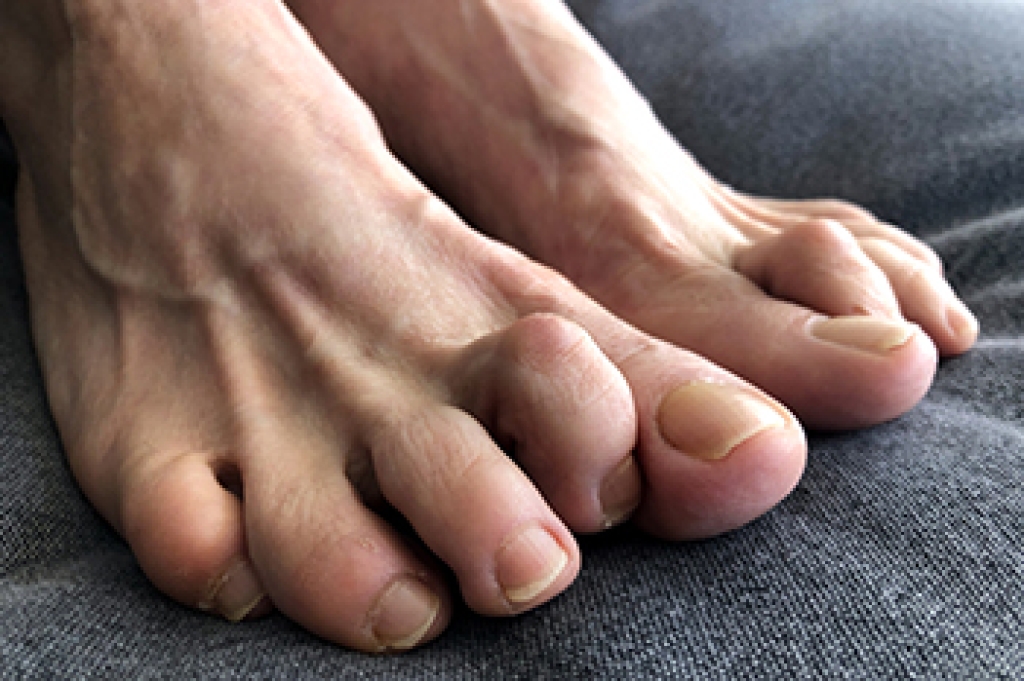
A hammertoe is a deformity that affects the first joint of the 2nd, 3rd, or 4th toe, medically known as the proximal interphalangeal joint. This joint forms a peak rather than lying flat, and is generally believed to be caused by a muscle imbalance from wearing ill-fitting shoes. A weakened muscle can put pressure on a tendon, resulting in a lifting of the joint. The top of the joint then rubs against the inside of the shoe, causing pain. In some cases, only surgery can correct a hammertoe.  Among the surgical options available are tendon transfer, joint resection, and fusion. During a tendon transfer, a nearby tendon is pulled across the joint, causing it to become straighter. This is used with a flexible hammertoe, one that still can be pushed flat manually. Joint resection involves cutting tendons and ligaments in a fixed hammertoe to straighten the joint and removing a portion of the bone. Pins may be put in place to keep the joint stable for a few weeks and then removed. Fusion calls for removing part of the joint to let the bones grow together. If you have a painful hammertoe, it is a good idea to consult a podiatrist for an examination and treatment options. 

Hammertoes can be a painful condition to live with. For more information, contact Frederick Matthews, DPM of Innovative Foot and Ankle Care. Our doctor will answer any of your foot- and ankle-related questions.

Hammertoe

Hammertoe is a foot deformity that occurs due to an imbalance in the muscles, tendons, or ligaments that normally hold the toe straight. It can be caused by the type of shoes you wear, your foot structure, trauma, and certain disease processes.

Symptoms

  • Painful and/or difficult toe movement
  • Swelling
  • Joint stiffness
  • Calluses/Corns
  • Physical deformity

Risk Factors

  • Age – The risk of hammertoe increases with age
  • Sex – Women are more likely to have hammertoe compared to men
  • Toe Length – You are more likely to develop hammertoe if your second toe is longer than your big toe
  • Certain Diseases – Arthritis and diabetes may make you more likely to develop hammertoe

Treatment

If you have hammertoe, you should change into a more comfortable shoe that provides enough room for your toes. Exercises such as picking up marbles may strengthen and stretch your toe muscles. Nevertheless, it is important to seek assistance from a podiatrist in order to determine the severity of your hammertoe and see which treatment option will work best for you.

If you have any questions, please feel free to contact our office located in Plano, TX . We offer the newest diagnostic and treatment technologies for all your foot care needs.

Read more about Hammertoe

Keep Your Feet Healthy So You Can Stay Active

Have your feet inspected by a professional before starting a new sport or physical activity. Taking charge of your foot health will keep you in good physical condition and can help you avoid a potential injury, such as a fracture or sprained ankle.

Prevent injuries and see a foot specialist.

Connect With Us