
How Arthritis Affects Your Feet

Foot pain develops when arthritis occurs in the joints in the feet, leading to discomfort and difficulty with movement. The feet contain numerous joints that support body weight and allow smooth movement during daily activities. Different types of arthritis affect these joints in different ways. Osteoarthritis occurs when the protective cartilage cushioning the joints gradually wears down, often affecting the big toe or middle of the foot. Rheumatoid arthritis involves inflammation that frequently affects both feet. Gout is another form of arthritis that often causes sudden pain in the big toe. These conditions may interfere with normal foot function and make everyday movement uncomfortable.


Symptoms of foot arthritis include joint pain, stiffness, and swelling. Some individuals experience increased discomfort while walking or standing for extended periods. Arthritis may also cause changes in foot shape, including the development of bunions or hammertoes. As joint inflammation progresses, movement may become more limited, making it difficult to bend the toes or walk comfortably. Excess body weight may place additional pressure on affected joints, increasing discomfort. The severity of symptoms varies, depending on the type of arthritis and the joints involved. Persistent foot pain may gradually interfere with mobility and reduce participation in normal activities.


A podiatrist evaluates arthritic foot pain by examining the affected joints and identifying areas of inflammation or restricted movement. Treatment focuses on relieving discomfort, supporting joint function, and reducing pressure on painful areas. Custom orthotics may be recommended to distribute weight more evenly across the feet and provide additional support. Supportive footwear with proper cushioning and a comfortable fit may also reduce stress on affected joints. In certain cases, targeted injections may be considered to address inflammation and pain. Early care from a podiatrist helps manage symptoms and maintain mobility. If you are experiencing ongoing foot pain or stiffness related to arthritis, it is suggested that you consult a podiatrist for an evaluation and appropriate treatment options.

Arthritis can be a difficult condition to live with. If you are seeking treatment, contact Frederick Matthews, DPM from Innovative Foot and Ankle Care. Our doctor can provide the care you need to keep you pain-free and on your feet.

Arthritic Foot Care  

Arthritis is a joint disorder that involves the inflammation of different joints in your body, such as those in your feet. Arthritis is often caused by a degenerative joint disease and causes mild to severe pain in all affected areas. In addition to this, swelling and stiffness in the affected joints can also be a common symptom of arthritis.

In many cases, wearing ill-fitting shoes can worsen the effects and pain of arthritis. Wearing shoes that have a lower heel and extra room can help your feet feel more comfortable. In cases of rheumatoid arthritis, the arch in your foot may become problematic. Buying shoes with proper arch support that contour to your feet can help immensely.

Alleviating Arthritic Pain

  • Exercises that stretch the foot can prevent further pain and injury and increase mobility
  • Most of the pain can be alleviated with anti-inflammatory drugs, heat, and topical medications
  • Massages can help temporarily alleviate pain.

It is best to see your doctor for the treatment that is right for your needs and symptoms. Conditions vary, and a podiatrist can help you determine the right method of care for your feet.

If you have any questions please feel free to contact our office located in Plano, TX . We offer the newest diagnostic tools and technology to treat your foot and ankle needs.

Read more about Arthritic Foot Care

Hammertoe Surgery Facts

Hammertoe causes one of the smaller toes to bend downward at the middle joint instead of remaining straight. The affected toe may resemble a hammer, which is how the condition gets its name. Hammertoe often develops gradually and becomes more painful as the deformity progresses. Common symptoms include toe stiffness, discomfort while walking, and difficulty finding comfortable shoes. Some people also develop corns or calluses where the bent toe rubs against footwear. Risk factors include wearing narrow shoes, having a muscle imbalance, and inheriting certain foot structures. Arthritis and bunions may also contribute to changes in toe alignment, making early evaluation helpful.

In its early stages, a hammertoe may remain flexible, meaning the toe can still be gently straightened. A podiatrist may recommend wider shoes, protective padding, or custom orthotics to reduce pressure and improve comfort. These treatments can help manage symptoms, although they cannot always correct an established deformity. Surgery is not necessary for every person with hammertoe. It may become an option when the toe remains painful despite conservative care, becomes rigid, or interferes with walking and everyday activities. The benefits of hammertoe surgery include straighter toe alignment, less rubbing against shoes, and improved comfort during movement. A podiatrist evaluates the severity of the deformity and discusses suitable options based on your needs.


The type of hammertoe surgery depends on whether the affected joint remains flexible and how much the toe has changed. For a flexible deformity, a podiatric surgeon may release or reposition a tendon to help straighten the toe. If the joint has become rigid, the surgeon may remove a small portion of bone or perform a procedure that allows the toe bones to align properly. In some cases, a temporary pin or another fixation device holds the toe in position while healing begins. The procedure may be performed using local anesthesia, sometimes with additional sedation. Potential risks include infection, delayed healing, and recurrence. Smoking, diabetes, and circulation problems may increase certain surgical risks, so your medical history must be reviewed beforehand.


After hammertoe surgery, the podiatrist provides instructions for protecting the toe and supporting healing. You may need a surgical shoe or dressing to keep pressure off the treated area. Follow-up visits allow the podiatrist to inspect the incision and monitor alignment. Keeping the foot elevated and following weight-bearing instructions help manage swelling and protect the repair. The return to regular shoes depends on the procedure and your healing progress. Although surgery improves comfort and toe position, results vary between individuals. If you have a painful hammertoe that affects walking or shoe fit, it is suggested that you consult a podiatrist who can discuss the benefits of this type of foot surgery with you. 

Foot surgery is sometimes necessary to treat a foot ailment. To learn more, contact Frederick Matthews, DPM of Innovative Foot and Ankle Care. Our doctor will assist you with all of your foot and ankle needs.

When Is Surgery Necessary?

Foot and ankle surgery is generally reserved for cases in which less invasive, conservative procedures have failed to alleviate the problem. Some of the cases in which surgery may be necessary include:

  • Removing foot deformities like bunions and bone spurs
  • Severe arthritis that has caused bone issues
  • Cosmetic reconstruction

What Types of Surgery Are There?

The type of surgery you receive will depend on the nature of the problem you have. Some of the possible surgeries include:

  • Bunionectomy for painful bunions
  • Surgical fusion for realignment of bones
  • Neuropathy decompression surgery to treat nerve damage

Benefits of Surgery

Although surgery is usually a last resort, it can provide more complete pain relief compared to non-surgical methods and may allow you to finally resume full activity.

Surgical techniques have also become increasingly sophisticated. Techniques like endoscopic surgery allow for smaller incisions and faster recovery times.

If you have any questions, please feel free to contact our office located in Plano, TX . We offer the newest diagnostic and treatment technologies for all your foot care needs.

Read more about Foot and Ankle Surgery

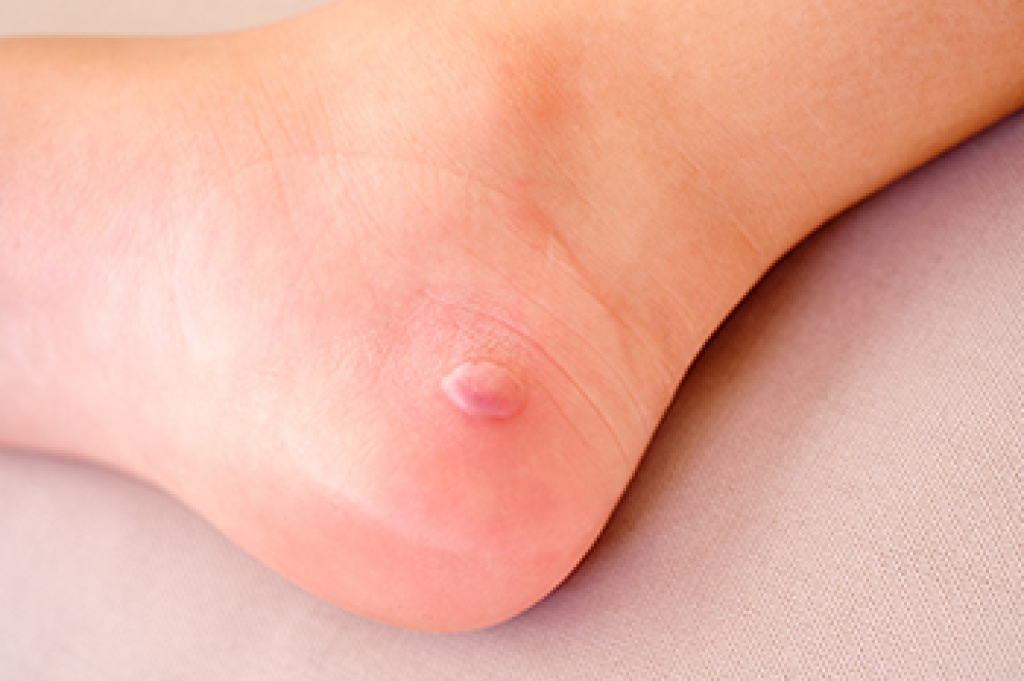
Why Do I Keep Getting Blisters on My Feet?

Foot blisters are fluid-filled pockets that form under the skin and can make every step uncomfortable. Friction is a frequent cause, especially when shoes are too tight or rub the same area repeatedly. The clear liquid inside most blisters is called serum, which comes from nearby tissues after the skin is injured. Blood blisters contain blood instead. Friction blisters are usually painful and can interfere with walking, exercise, or work. Although many blisters result from burns, allergies and infections can also cause blistering on the skin.

The appearance and symptoms of a blister can offer clues about its cause. Most blisters are round or oval and contain fluid beneath the skin. Some are painful, while others can itch or cause little discomfort. Blisters linked to infection can look different and may occur with other symptoms. Increasing redness, swelling, or worsening pain around a blister can signal infection. Oozing blood or pus is another warning sign. Blisters with an unknown cause or those that are very painful deserve professional evaluation, especially when they keep returning.

A podiatrist can examine foot blisters to determine what is causing them and whether infection is present. The evaluation can also identify pressure points and areas where shoes are rubbing the skin. For a large or painful blister, a podiatrist can drain it safely and protect the area from infection. A podiatrist can also recommend shoe changes or padding to reduce repeated friction and pressure. Patients with recurring blisters can benefit from an evaluation of foot structure and how their shoes fit. Addressing the source of repeated rubbing can help protect vulnerable areas of skin. If you have symptoms of blisters, it is suggested that you schedule an appointment with a podiatrist for diagnosis and treatment.

Blisters are prone to making everyday activities extremely uncomfortable. If your feet are hurting, contact Frederick Matthews, DPM of Innovative Foot and Ankle Care. Our doctor can provide the care you need to keep you pain-free and on your feet.

Foot Blisters

Foot blisters develop as a result of constantly wearing tight or ill-fitting footwear. This happens due to the constant rubbing from the shoe, which can often lead to pain.

What Are Foot Blisters?

A foot blister is a small fluid-filled pocket that forms on the upper-most layer of the skin. Blisters are filled with clear fluid and can lead to blood drainage or pus if the area becomes infected.

How Do Blisters Form?

Blisters on the feet are often the result of constant friction of skin and material, usually by shoe rubbing. Walking in sandals, boots, or shoes that don’t fit properly for long periods of time can result in a blister. Having consistent foot moisture and humidity can easily lead to blister formation.

Prevention & Treatment

It is important to properly care for the affected area in order to prevent infection and ease the pain. Do not lance the blister and use a Band-Aid to provide pain relief. Also, be sure to keep your feet dry and wear proper fitting shoes. If you see blood or pus in a blister, seek assistance from a podiatrist.

If you have any questions, please feel free to contact our office located in Plano, TX . We offer the newest diagnostic and treatment technologies for all your foot care needs.

Read more about Blisters

Connect With Us

Advanced Podiatric Procedures & Services in the Collin County, TX: Plano (Frisco, Allen, Murphy, Lucas) and Dallas County, TX: Garland, Carrollton, Richardson, Farmers Branch, Sachse, Addison areas