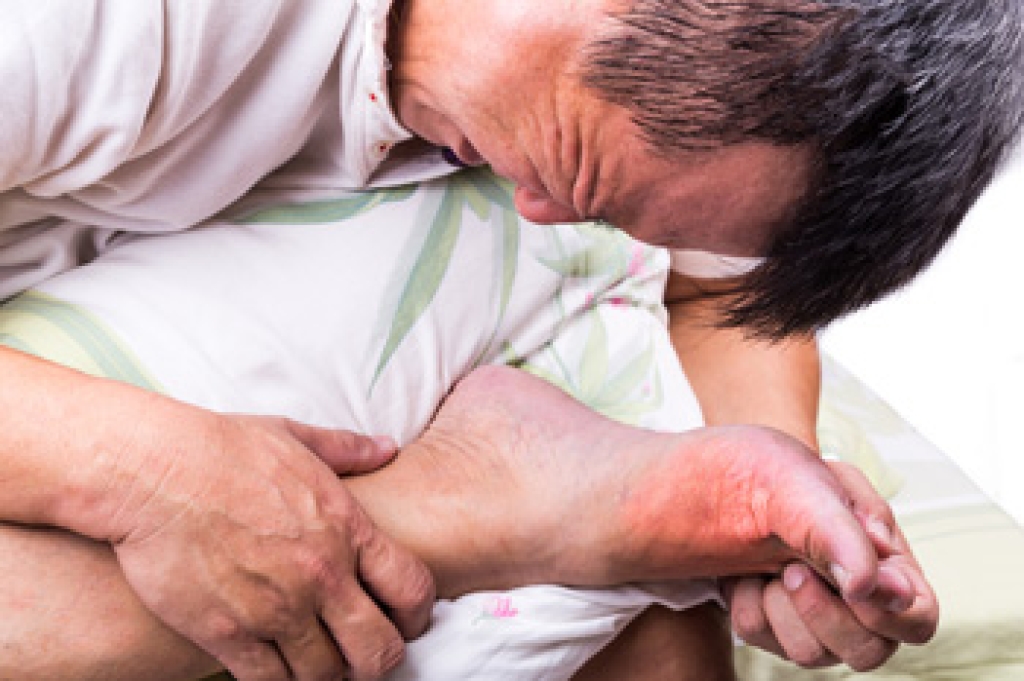
Gout Can Cause Severe Pain

Gout is an inflammatory condition that causes redness, swelling, stiffness, and extreme pain in the joints, particularly the big toe. A gout attack in the big toe, termed podagra, happens suddenly and often at night. Sufferers may be jolted awake by pain and a burning sensation so great that even the weight of a sheet on the toe can be agonizing. Gout is more common in men, but the risk factor increases in women after menopause. Gout is caused by a buildup of uric acid in the body, which forms crystals in joints, resulting in severe pain. Attacks usually last for about a week but can occur again without warning. Because the crystals, called tophi, that form in the toe joint can cause both cartilage and bone damage, it is not a good idea to ignore this condition. Instead, if you believe you have developed gout, please make an appointment with a podiatrist who can offer treatment options and suggest lifestyle changes to best combat this disease.

Gout is a foot condition that requires certain treatment and care. If you are seeking treatment, contact Frederick Matthews, DPM from Innovative Foot and Ankle Care. Our doctor will treat your foot and ankle needs.

What Is Gout?

Gout is a type of arthritis caused by a buildup of uric acid in the bloodstream. It often develops in the foot, especially the big toe area, although it can manifest in other parts of the body as well. Gout can make walking and standing very painful and is especially common in diabetics and the obese.

People typically get gout because of a poor diet. Genetic predisposition is also a factor. The children of parents who have had gout frequently have a chance of developing it themselves.

Gout can easily be identified by redness and inflammation of the big toe and the surrounding areas of the foot. Other symptoms include extreme fatigue, joint pain, and running high fevers. Sometimes corticosteroid drugs can be prescribed to treat gout, but the best way to combat this disease is to get more exercise and eat a better diet.

If you have any questions, please feel free to contact our office located in Plano, TX . We offer the newest diagnostic and treatment technologies for all your foot care needs.
Read more about Everything You Need to Know About Gout

Ways to Handle Achilles Tendon Injuries in Runners

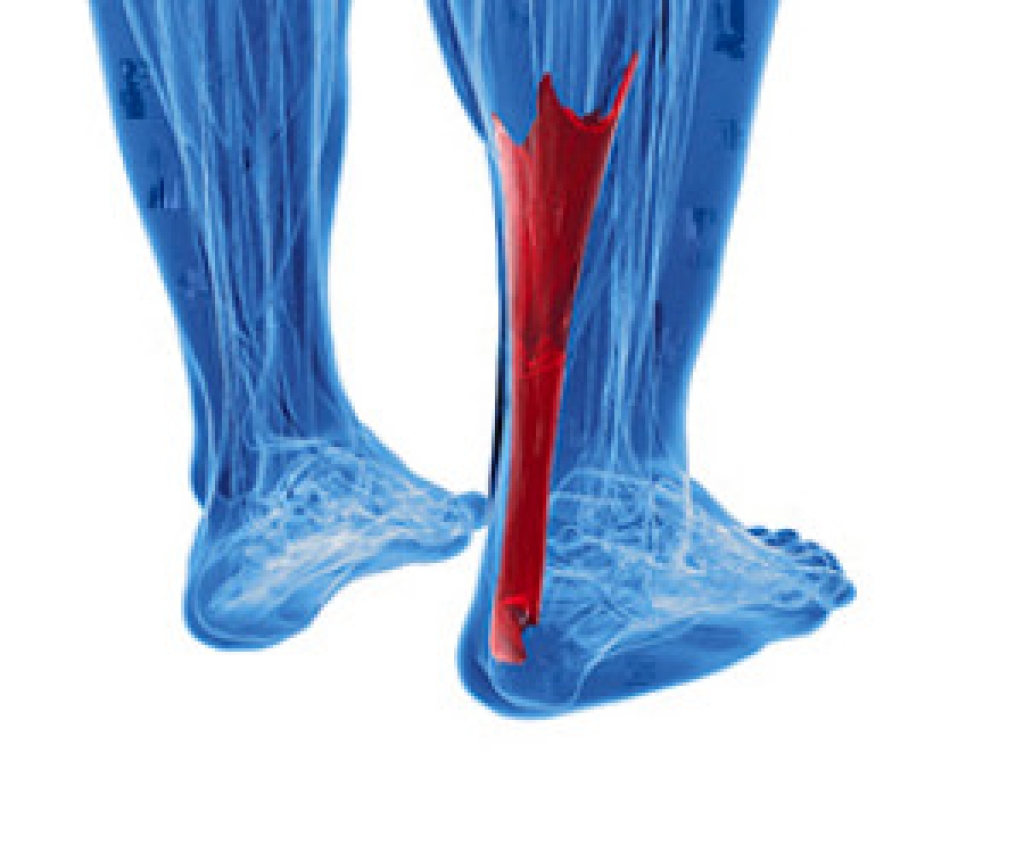
Injuries to the Achilles tendon are some of the most common problems among runners. The Achilles tendon, medically known as the calcaneal tendon, is located at the back of the heel. It is the strongest tendon in the body, connecting the heel bone to the muscles in the calf. When the Achilles tendon is torn or ruptured, it can be extremely painful and inhibit daily activities. In some cases, the Achilles tendon becomes inflamed, thought to be caused by overuse. This will result in tenderness to the touch, as well as pain when first waking up. Also, the calf, ankle and heel will feel stiff. Many times, after engaging in a run, the tendon pain subsides for a while, but increases again later. Stretching the tendon further may actually increase the problem, experts contend, by hardening and shortening the calf muscles. Instead, taking a break from running and beginning a course of  strengthening exercises is recommended. It is a good idea for anyone with Achilles tendon problems to consult a podiatrist for an examination, a diagnosis, and suggested treatment options.  

Achilles tendon injuries need immediate attention to avoid future complications. If you have any concerns, contact Frederick Matthews, DPM of Innovative Foot and Ankle Care. Our doctor can provide the care you need to keep you pain-free and on your feet.

What Is the Achilles Tendon?

The Achilles tendon is a tendon that connects the lower leg muscles and calf to the heel of the foot. It is the strongest tendon in the human body and is essential for making movement possible. Because this tendon is such an integral part of the body, any injuries to it can create immense difficulties and should immediately be presented to a doctor.

What Are the Symptoms of an Achilles Tendon Injury?

There are various types of injuries that can affect the Achilles tendon. The two most common injuries are Achilles tendinitis and ruptures of the tendon.

Achilles Tendinitis Symptoms

  • Inflammation
  • Dull to severe pain
  • Increased blood flow to the tendon
  • Thickening of the tendon

Rupture Symptoms

  • Extreme pain and swelling in the foot
  • Total immobility

Treatment and Prevention

Achilles tendon injuries are diagnosed by a thorough physical evaluation, which can include an MRI. Treatment involves rest, physical therapy, and in some cases, surgery. However, various preventative measures can be taken to avoid these injuries, such as:

  • Thorough stretching of the tendon before and after exercise
  • Strengthening exercises like calf raises, squats, leg curls, leg extensions, leg raises, lunges, and leg presses

If you have any questions please feel free to contact our office located in Plano, TX . We offer the newest diagnostic tools and technology to treat your foot and ankle needs.

Read more about What are Achilles Tendon Injuries

Choosing the Right Shoes for Your Child

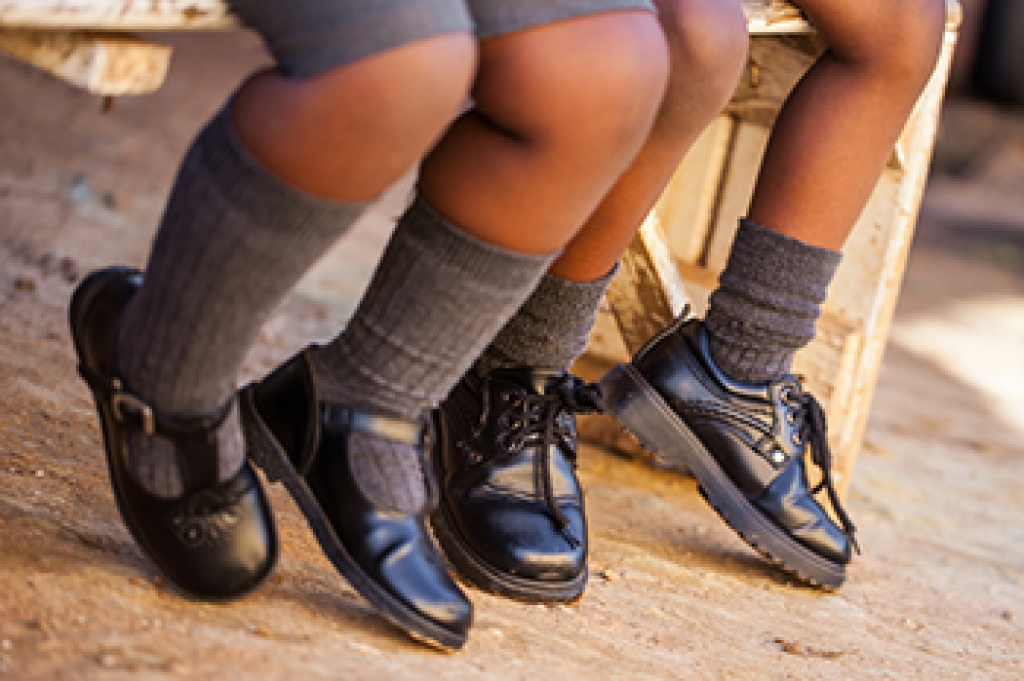
Keeping children in shoes can be challenging because their feet grow so rapidly. Here are some tips for finding the right shoes for your child. Check their shoes regularly for worn areas, seams that are stretched, and toes that are worn out. These may be signs that their shoes need to be replaced. Have the child’s foot measured each time they try on shoes so that both the length and the width are taken into account. There should be about half an inch between the end of the shoe and the toes. Avoid buying shoes that are too big for the child as this can cause falls. The heel of the shoe should fit snugly, but not too tightly. For best results, avoid the idea of breaking in the shoes at home, and instead, make sure the shoe fits well at the store. Discourage your child from wearing shoes with higher heels, as this may affect the development of healthy feet and legs. Instead, go for shoes with flatter, textured soles that can keep them from slipping and falling. For more information on the best shoes for your child, please consult a podiatrist.

Making sure that your children maintain good foot health is very important as they grow. If you have any questions, contact Frederick Matthews, DPM of Innovative Foot and Ankle Care. Our doctor can provide the care you need to keep you pain-free and on your feet.

Keeping Children's Feet Healthy

Having healthy feet during childhood can help prevent medical problems later in life, namely in the back and legs. As children grow, their feet require different types of care. Here are some things to consider...

Although babies do not walk yet, it is still very important to take care of their feet.

Avoid putting tight shoes or socks on his or her feet.

Allow the baby to stretch and kick his or her feet to feel comfortable.

As a toddler, kids are now on the move and begin to develop differently. At this age, toddlers are getting a feel for walking, so don’t be alarmed if your toddler is unsteady or ‘walks funny’. 

As your child gets older, it is important to teach them how to take care of their feet.

Show them proper hygiene to prevent infections such as fungus.

Be watchful for any pain or injury.

Have all injuries checked by a doctor as soon as possible.

Comfortable, protective shoes should always be worn, especially at play.

If you have any questions, please feel free to contact our office located in Plano, TX . We offer the newest diagnostic and treatment technologies for all your foot care needs.
Read more about What to Do to Keep Your Child’s Feet Healthy

Simple Methods That May Help to Prevent Running Injuries

Research has shown that injuries may be prevented among runners. It is easy to experience unwanted foot conditions from running mishaps, and simple methods can be implemented to help prevent running injuries. Common injuries that affect many runners can include blisters, a pulled muscle in the lower leg, and cuts from falling. Additionally, running injuries can be caused by wearing shoes that do not fit correctly and running on uneven surfaces. Many people overtrain, in addition to improperly warming up and cooling down, which are prime reasons for running injuries to happen. Helpful prevention tips can include drinking plenty of water before, during, and after running, while gradually increasing speed and mileage. Running injuries can affect the feet, and a podiatrist can inform you of effective running prevention techniques, address concerns, and answer any questions you may have.

Exercising your feet regularly with the proper foot wear is a great way to prevent injuries. If you have any concerns about your feet, contact Frederick Matthews, DPM of Innovative Foot and Ankle Care. Our doctor will treat your foot and ankle needs.

How to Prevent Running Injuries

Many common running injuries are caused by overuse and overtraining. When the back of the kneecap starts wearing out and starts causing pain in your knee, this is commonly referred to as runner’s knee. Runner’s knee is a decrease in strength in your quadriceps and can occur if you’re not wearing properly fitted or supporting shoes. To prevent runner’s knee, focusing on hip strengthening is a good idea, as well as strengthening your quads to keep the kneecaps aligned.

What Are Some Causes of Running Injuries? 
- One cause of a common running injury is called iliotibial band syndrome.
- Plantar fasciitis is also another common injury.
- Stress fractures can occur from overtraining, lack of calcium, or even your running style.

Best Ways to Prevent Running Injuries
- Wear footwear that fits properly and suits your running needs.
- Running shoes are the only protective gear that runners have to safeguard them from injury.
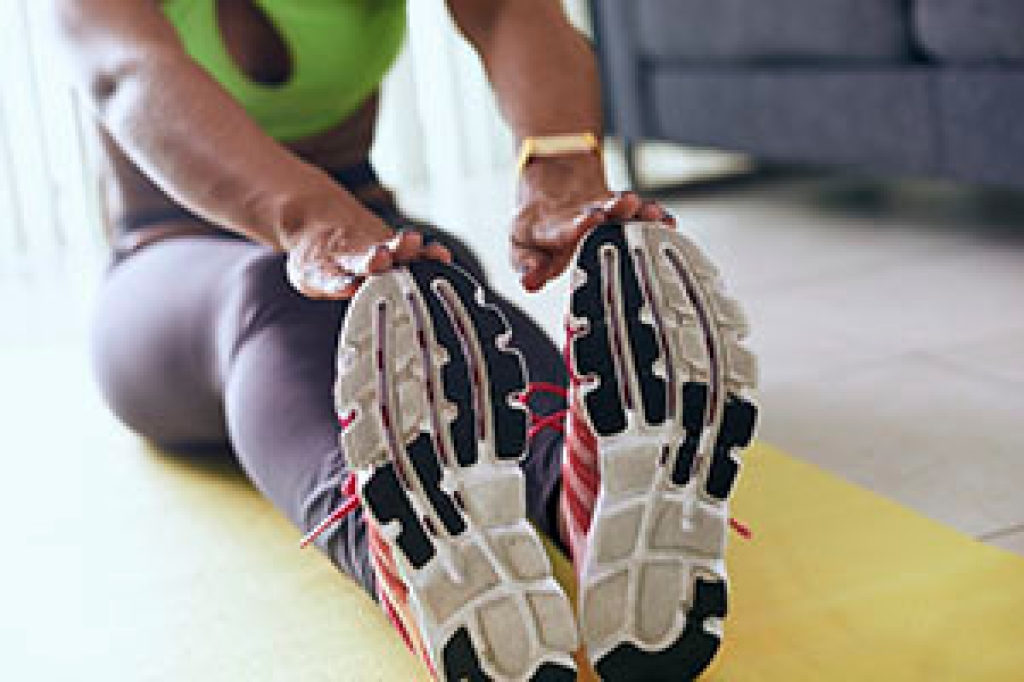
- Make a training schedule. Adding strengthening exercises as well as regular stretching can help keep you strong and limber and can lessen the possibility of injuries.
- Stretching keeps muscles limber; this will help you gain better flexibility.

If you have any questions, please feel free to contact our office located in Plano, TX . We offer the newest diagnostic and treatment technologies for all your foot care needs.
Read more about How to Prevent Running Injuries

We Can Treat Your Foot or Ankle Pain

Foot or ankle pain can negatively affect your day-to-day life and can occur due to several different conditions. Pain can also be an indicator of a more serious underlying condition, which is why you should seek professional help as soon as you notice any abnormalities in your feet.

Connect With Us