
Ingrown toenails can be painful and can make wearing shoes or walking uncomfortable. Seek professional help if you believe you've developed an ingrown toenail and be treated safely.
Ingrown toenails can be painful and can make wearing shoes or walking uncomfortable. Seek professional help if you believe you've developed an ingrown toenail and be treated safely.
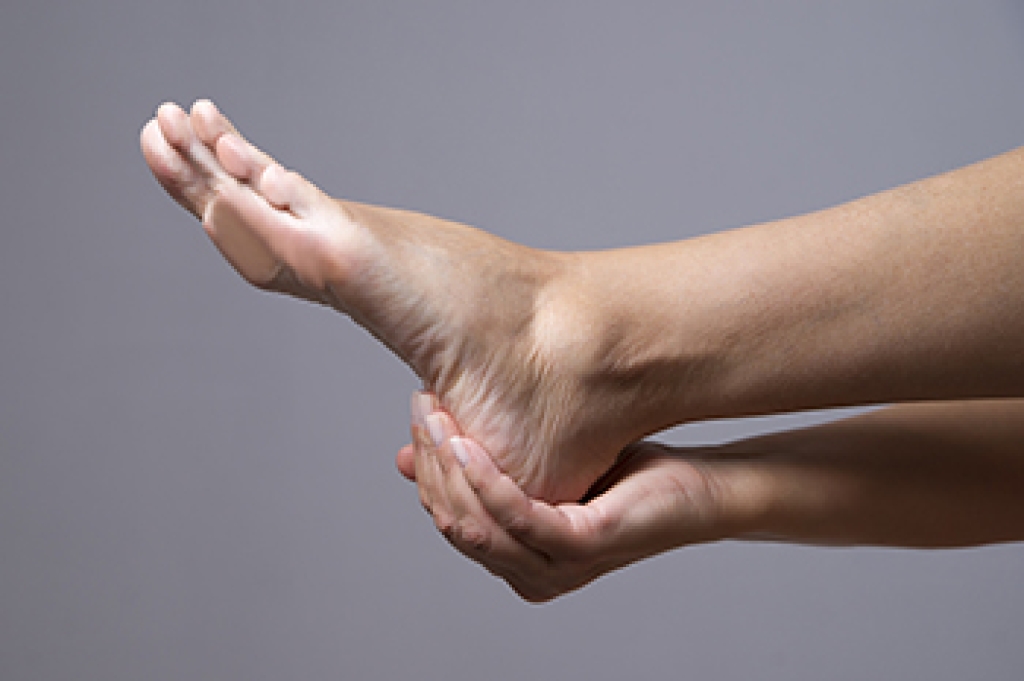 Plantar fibroma is a benign condition characterized by the formation of a knot or nodule in the arch of the foot. This lump occurs in the plantar fascia, which is a thick band of tissue that runs from the heel to the toes. Typically, someone can feel it if they physically examine the foot. A plantar fibroma can develop in one or both feet, and it usually remains stable in size or grows slowly over time. The lump in the arch may or may not be painful. When pain is present, it's often because the fibroma presses against footwear or the ground, creating pressure on the foot. This discomfort can be increased by standing, walking, or wearing tight or unsupportive shoes. People sometimes modify their gait or posture in an attempt to minimize discomfort, which potentially causes secondary pain in the feet, legs, or back. Treatment options vary depending on the severity of symptoms. Conservative options may include orthotic devices and footwear modifications, and more invasive procedures may involve steroid injections or surgery. If you have a lump in the arch of the foot and suspect a plantar fibroma, it is suggested that you make an appointment with a podiatrist for diagnosis and treatment options.
A plantar fibroma may disrupt your daily activities. If you have any concerns, contact Frederick Matthews, DPM of Innovative Foot and Ankle Care. Our doctor can provide the care you need to keep you pain-free and on your feet.
Plantar Fibroma
A plantar fibroma is a fibrous knot in the arch of the foot. It is embedded in the plantar fascia which is a band of tissue that extends from the heel to the toes along the bottom of the foot. There can be multiple plantar fibromas in the feet at the same time. There are no known causes for this condition. If you have a plantar fibroma, there will be a bump in the arch of your foot that cannot be missed. Any associated pain is most often due to a shoe rubbing against the nodule. Non-surgical options, such as steroid injections, physical therapy, and orthotics should be tried first. Surgery is a last resort and is the only thing that will remove a plantar fibroma entirely. Consult with a podiatrist for a proper diagnosis and to determine the treatment regimen that is right for you.
What Causes a Plantar Fibroma?
While there are no specific causes identified, a plantar fibroma can possibly come from genetic predisposition or the formation of scar tissue that forms from healing the tears in the plantar fascia.
What Are the Symptoms of a Plantar Fibroma?
There will be a noticeable lump in the arch of the foot that may or may not cause pain. If pain is felt, it is typically because a shoe is rubbing up against the lump or when walking or standing barefoot.
Treatment and Prevention
A plantar fibroma will not disappear without treatment, but it can get smaller and be a non-issue. If pain persists, a podiatrist examines the foot and when the arch of the foot is pressed, pain can be felt down to the toes. An MRI or biopsy might be performed to help diagnose or evaluate the plantar fibroma. The following non-surgical options are generally enough to reduce the size and pain of these nodules:
Surgery is considered if the mass increases in size and the patient continues to feel pain after non-surgical methods are tried.
If you have any questions, please feel free to contact our office located in Plano, TX . We offer the newest diagnostic and treatment technologies for all your foot care needs.
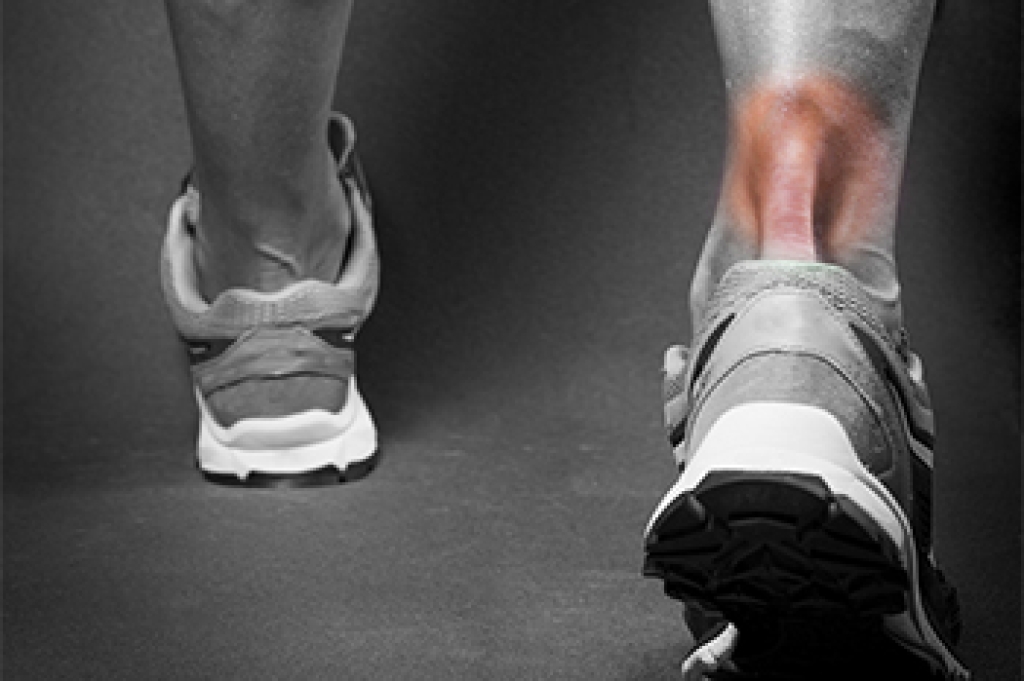
Achilles tendonitis, an inflammation of the Achilles tendon, disrupts the smooth functioning of the tendon connecting the calf muscles to the heel bone. Contributing factors include tight calf muscles and excessive running up and down hills. Sudden increases in exercise intensity or duration of activity and wearing improper footwear, such as stiff-soled shoes or high heels, are other causes of Achilles tendonitis. Athletes engaging in activities that involve repetitive jumping or sudden stops or starts are particularly prone to overuse injuries like Achilles tendonitis. The main symptom is pain along the tendon, especially near the heel. Other signs of Achilles tendonitis can include swelling, warmth, and tenderness over the affected area. Difficulty rising on the toes or pushing off while walking, in addition to morning heel pain accompanied by ankle stiffness are further indicators. Recovery for Achilles tendonitis typically includes anti-inflammatory medication, rehabilitation exercises, and use of walking boots or casts for immobilization. If you are experiencing symptoms of Achilles tendonitis, it is suggested that you schedule an appointment with a podiatrist for an exam, diagnosis, and personalized treatment.
Achilles tendon injuries need immediate attention to avoid future complications. If you have any concerns, contact Frederick Matthews, DPM of Innovative Foot and Ankle Care. Our doctor can provide the care you need to keep you pain-free and on your feet.
What Is the Achilles Tendon?
The Achilles tendon is a tendon that connects the lower leg muscles and calf to the heel of the foot. It is the strongest tendon in the human body and is essential for making movement possible. Because this tendon is such an integral part of the body, any injuries to it can create immense difficulties and should immediately be presented to a doctor.
What Are the Symptoms of an Achilles Tendon Injury?
There are various types of injuries that can affect the Achilles tendon. The two most common injuries are Achilles tendinitis and ruptures of the tendon.
Achilles Tendinitis Symptoms
Rupture Symptoms
Treatment and Prevention
Achilles tendon injuries are diagnosed by a thorough physical evaluation, which can include an MRI. Treatment involves rest, physical therapy, and in some cases, surgery. However, various preventative measures can be taken to avoid these injuries, such as:
If you have any questions please feel free to contact our office located in Plano, TX . We offer the newest diagnostic tools and technology to treat your foot and ankle needs.

Experiencing sudden joint pain, swelling, and redness in your big toe? It could be gout, a condition where urate crystals accumulate in the joints. To determine whether you have gout, a podiatrist may recommend various tests. Blood tests are essential to check uric acid levels, although elevated levels don't always signify gout. Joint fluid testing, or arthrocentesis, involves extracting fluid from the affected joint to identify uric acid crystals, confirming a gout diagnosis. Ultrasound imaging can reveal inflammation and the presence of crystals, or tophi, around the joint. Additionally, dual-energy computerized tomography, or DECT, scans provide detailed images to show uric acid crystals within the joints, aiding in diagnosis. If you're experiencing severe and persistent discomfort in the big toe joint, it is suggested that you make an appointment with a podiatrist. This foot doctor is medically trained to diagnose symptoms of gout and offer the appropriate options to manage this condition.
Gout is a foot condition that requires certain treatment and care. If you are seeking treatment, contact Frederick Matthews, DPM from Innovative Foot and Ankle Care. Our doctor will treat your foot and ankle needs.
What Is Gout?
Gout is a type of arthritis caused by a buildup of uric acid in the bloodstream. It often develops in the foot, especially the big toe area, although it can manifest in other parts of the body as well. Gout can make walking and standing very painful and is especially common in diabetics and the obese.
People typically get gout because of a poor diet. Genetic predisposition is also a factor. The children of parents who have had gout frequently have a chance of developing it themselves.
Gout can easily be identified by redness and inflammation of the big toe and the surrounding areas of the foot. Other symptoms include extreme fatigue, joint pain, and running high fevers. Sometimes corticosteroid drugs can be prescribed to treat gout, but the best way to combat this disease is to get more exercise and eat a better diet.
If you have any questions, please feel free to contact our office located in Plano, TX . We offer the newest diagnostic and treatment technologies for all your foot care needs.
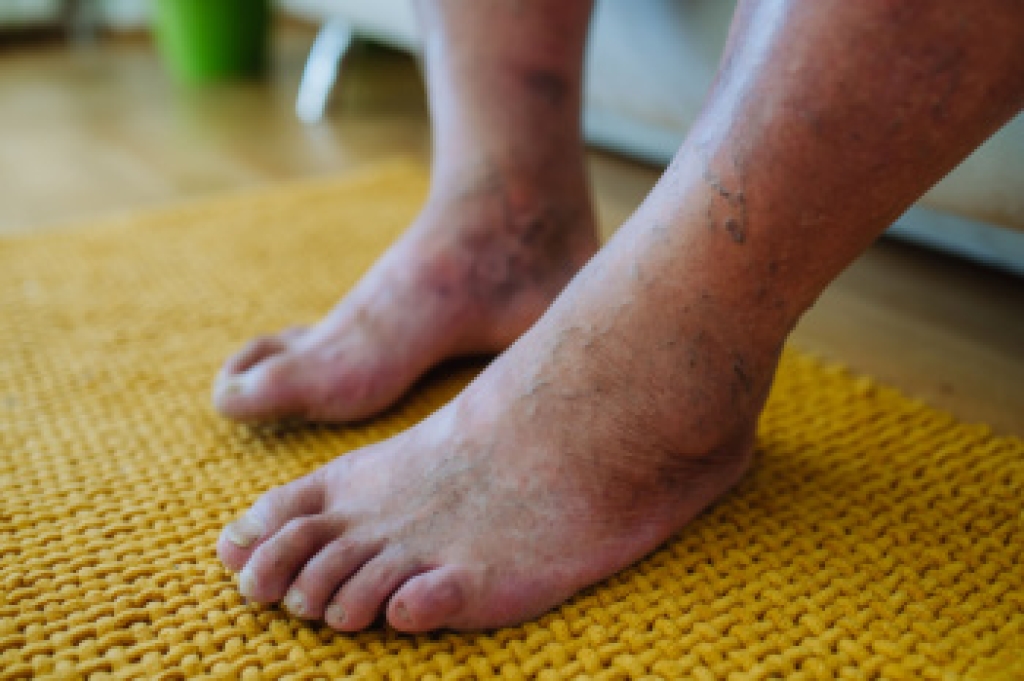
Diabetes poses risks of foot ulcers and other foot problems, but proactive care can lessen these dangers. Regular checkups with a podiatrist are important for diabetic individuals. Besides professional care, daily self-checks are imperative. Interestingly, involving spouses in foot care can enhance vigilance. Research comparing diabetic individuals receiving guidance alone to those and their spouses found higher rates of foot checking in the coupled group. While both groups had similar levels of foot protection behavior, spousal support boosted overall foot care in the dyad group. This underscores the importance of involving loved ones and caregivers in diabetic foot care routines. If you have diabetes, it is suggested that you seek support and schedule regular appointments with a podiatrist for checkups. This will help individuals with diabetes to better prevent complications and maintain foot health.
Diabetic foot care is important in preventing foot ailments such as ulcers. If you are suffering from diabetes or have any other concerns about your feet, contact Frederick Matthews, DPM from Innovative Foot and Ankle Care. Our doctor can provide the care you need to keep you pain-free and on your feet.
Diabetic Foot Care
Diabetes affects millions of people every year. The condition can damage blood vessels in many parts of the body, especially the feet. Because of this, taking care of your feet is essential if you have diabetes, and having a podiatrist help monitor your foot health is highly recommended.
The Importance of Caring for Your Feet
Patients with diabetes should have their doctor monitor their blood levels, as blood sugar levels play such a huge role in diabetic care. Monitoring these levels on a regular basis is highly advised.
It is always best to inform your healthcare professional of any concerns you may have regarding your feet, especially for diabetic patients. Early treatment and routine foot examinations are keys to maintaining proper health, especially because severe complications can arise if proper treatment is not applied.
If you have any questions, please feel free to contact our office located in Plano, TX . We offer the newest diagnostic and treatment technologies for all your foot care needs.
Connect With Us
