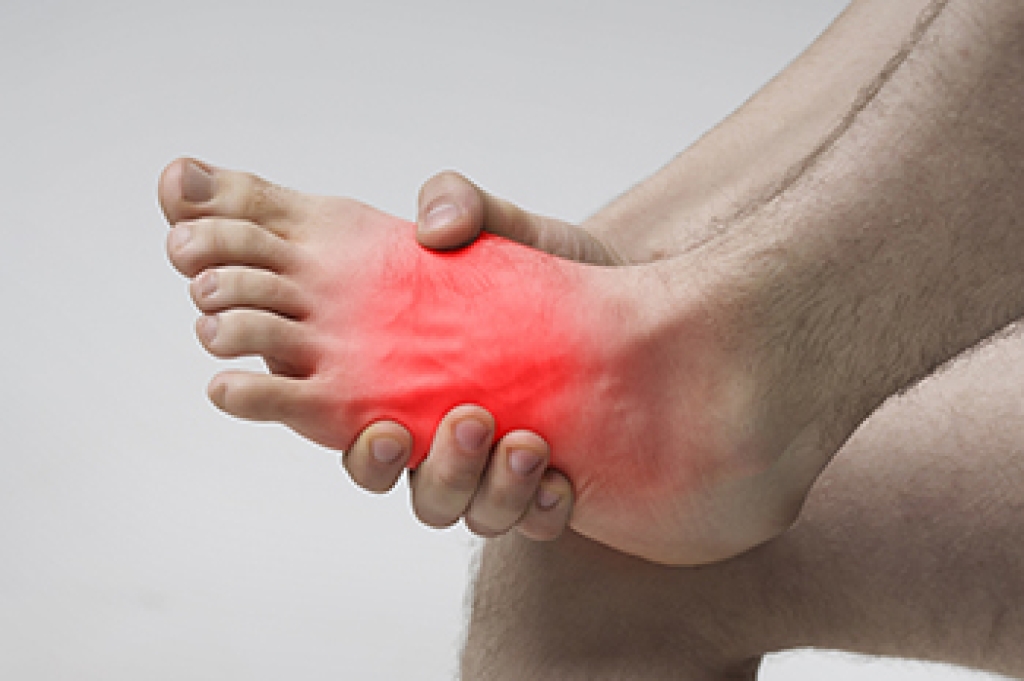
Symptoms and Causes of Foot Stress Fractures

A common cause of foot pain is a stress fracture, which is a hairline crack in the bone. It is generally thought of as an overuse injury, and it is particularly common among runners and other athletes involved in high-impact sports. Another cause is doing too much, too soon when your body is not in shape. Poor or incorrect training habits may also lead to the development of stress fractures. In addition, footwear that lacks proper cushioning and arch support may be a factor. Gradual pain during weight-bearing activity is a sign of a stress fracture. This discomfort usually subsides after resting the foot or ceasing the activity. For that reason, a stress fracture may easily go unnoticed. Other symptoms include swelling on the top of the foot, tenderness to touch, and in some cases, bruising. Further, a stress fracture may cause sharp pain when taking a step. It can take up to two months for a stress fracture to heal. During that time it is thought wise to switch to non-weight-bearing activities, such as swimming, for exercise. For help with stress fractures of the foot, it is suggested that you make an appointment with a podiatrist. 

Stress fractures occur when there is a tiny crack within a bone. To learn more, contact Frederick Matthews, DPM from Innovative Foot and Ankle Care. Our doctor can provide the care you need to keep you pain free and on your feet.

How Are They Caused?

Stress fractures are the result of repetitive force being placed on the bone. Since the lower leg and feet often carry most of the body’s weight, stress fractures are likely to occur in these areas. If you rush into a new exercise, you are more likely to develop a stress fracture since you are starting too much, too soon.  Pain resulting from stress fractures may go unnoticed at first, however it may start to worsen over time.

Risk Factors

  • Gender – They are more commonly found in women compared to men.
  • Foot Problems – People with unusual arches in their feet are more likely to develop stress fractures.
  • Certain Sports – Dancers, gymnasts, tennis players, runners, and basketball players are more likely to develop stress fractures.
  • Lack of Nutrients – A lack of vitamin D and calcium may weaken the bones and make you more prone to stress fractures
  • Weak Bones – Osteoporosis can weaken the bones therefore resulting in stress fractures

Stress fractures do not always heal properly, so it is important that you seek help from a podiatrist if you suspect you may have one. Ignoring your stress fracture may cause it to worsen, and you may develop chronic pain as well as additional fractures.

If you have any questions please contact our office located in Plano, TX . We offer the newest diagnostic and treatment technologies for all your foot and ankle needs.
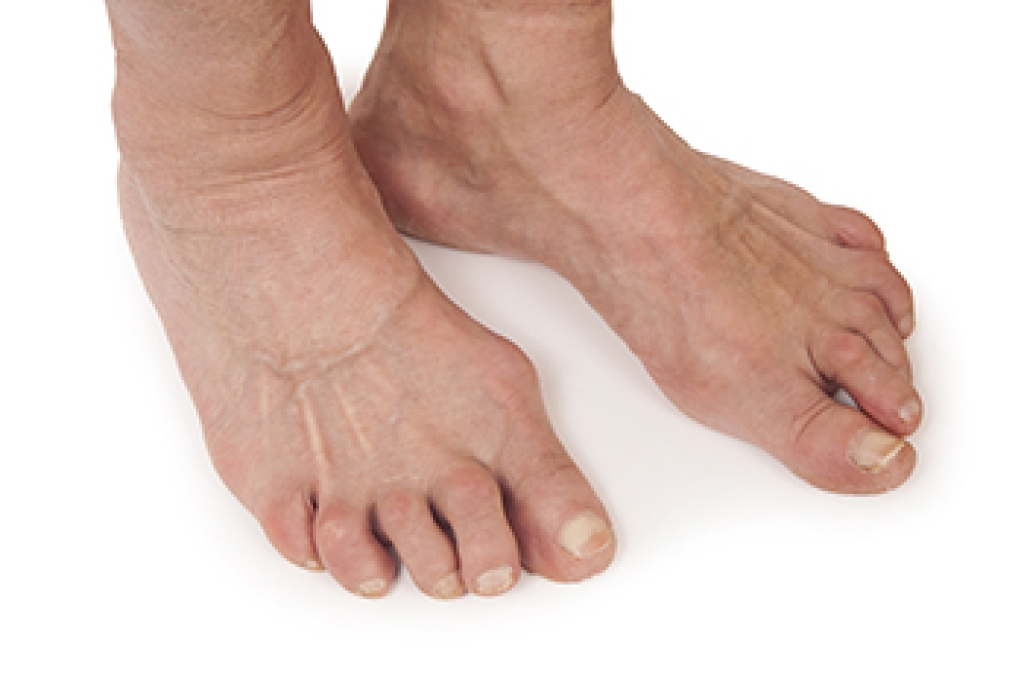

Read more about Stress Fractures of the Foot and Ankle

Pain in the Joints of the Feet

Those who suffer from pain in the joints of their feet may be suffering from a form of arthritis. Rheumatoid arthritis, or RA, is a type of inflammatory arthritis that can affect the joints in the feet. With this autoimmune disorder, the immune system attempts to destroy the lining of the joints, called synovium, as well as the fluid in the joints. Pain may be felt in the joints, as well as the ligaments of the feet, which are bands of tissue that connect bones. Rheumatoid arthritis can also cause heel pain, compressed nerves, skin rashes, and nodules on the feet. Over time, RA causes cartilage erosion, and the joints in the feet may become deformed. Discomfort is often worse after prolonged time on the feet, and wearing shoes can be difficult. This condition can significantly impact the ability to walk, and it is beneficial for the patient to do what they can to manage the pain. If you suffer from rheumatoid arthritis and your feet are affected, it is suggested that you visit a podiatrist regularly who can help you effectively manage this condition.

Because RA affects more than just your joints, including the joints in your feet and ankles, it is important to seek early diagnosis from your podiatrist if you feel like the pain in your feet might be caused by RA. For more information, contact Frederick Matthews, DPM of Innovative Foot and Ankle Care. Our doctor will assist you with all of your podiatric concerns.

What Is Rheumatoid Arthritis?

Rheumatoid Arthritis (RA) is an autoimmune disorder in which the body’s own immune system attacks the membranes surrounding the joints. Inflammation of the lining and eventually the destruction of the joint’s cartilage and bone occur, causing severe pain and immobility.

Rheumatoid Arthritis of the Feet

Although RA usually attacks multiple bones and joints throughout the entire body, almost 90 percent of cases result in pain in the foot or ankle area.

Symptoms

  • Swelling and pain in the feet
  • Stiffness in the feet
  • Pain on the ball or sole of feet
  • Joint shift and deformation

Diagnosis

Quick diagnosis of RA in the feet is important so that the podiatrist can treat the area effectively. Your doctor will ask you about your medical history, occupation, and lifestyle to determine the origin of the condition. Rheumatoid Factor tests help to determine if someone is affected by the disease.

If you have any questions, please feel free to contact our office located in Plano, TX . We offer the newest diagnostic and treatment technologies for all your foot care needs.

Read more about Rheumatoid Arthritis in the Feet

Symptoms of Athlete’s Foot

Athlete’s foot is a common and often uncomfortable foot infection caused by having contact with a fungus known as trichophyton. It often affects the space between the toes, and sometimes is found on the bottom of the feet. Unfortunately, it is quite easy to get athlete's foot, which is extremely contagious if certain conditions are met. This fungus thrives in warm and moist places, such as the inside of shoes. Symptoms of athlete’s foot are easy to recognize. The most noticeable signs are itchy toes and dry skin. The infected skin can become chapped and flaked when the shoes are removed and the toes are exposed to dry air. The skin also may begin to ooze fluid, especially if the infection is not treated immediately. The affected area may begin to redden, which is exacerbated by scratching. To make matters worse, the open skin can attract bacteria, further infecting the foot. That may produce swelling, which can be quite painful. At this point, it is suggested that you make an appointment with a podiatrist who can offer an array of treatment options to deal with an athlete’s foot infection.

Athlete’s foot is an inconvenient condition that can be easily reduced with the proper treatment. If you have any concerns about your feet and ankles, contact Frederick Matthews, DPM from Innovative Foot and Ankle Care.  Our doctor will treat your foot and ankle needs.

Athlete’s Foot: The Sole Story

Athlete's foot, also known as tinea pedis, can be an extremely contagious foot infection. It is commonly contracted in public changing areas and bathrooms, dormitory style living quarters, around locker rooms and public swimming pools, or anywhere your feet often come into contact with other people.

Solutions to Combat Athlete’s Foot

  • Hydrate your feet by using lotion
  • Exfoliate
  • Buff off nails
  • Use of anti-fungal products
  • Examine your feet and visit your doctor if any suspicious blisters or cuts develop

Athlete’s foot can cause many irritating symptoms such as dry and flaking skin, itching, and redness. Some more severe symptoms can include bleeding and cracked skin, intense itching and burning, and even pain when walking. In the worst cases, Athlete’s foot can cause blistering as well. Speak to your podiatrist for a better understanding of the different causes of Athlete’s foot, as well as help in determining which treatment options are best for you.

If you have any questions please feel free to contact our office located in Plano, TX . We offer the newest diagnostic and treatment technologies for all your foot and ankle needs.
Read more about Athlete's Foot

Plantar Fasciitis Symptoms and Risk Factors

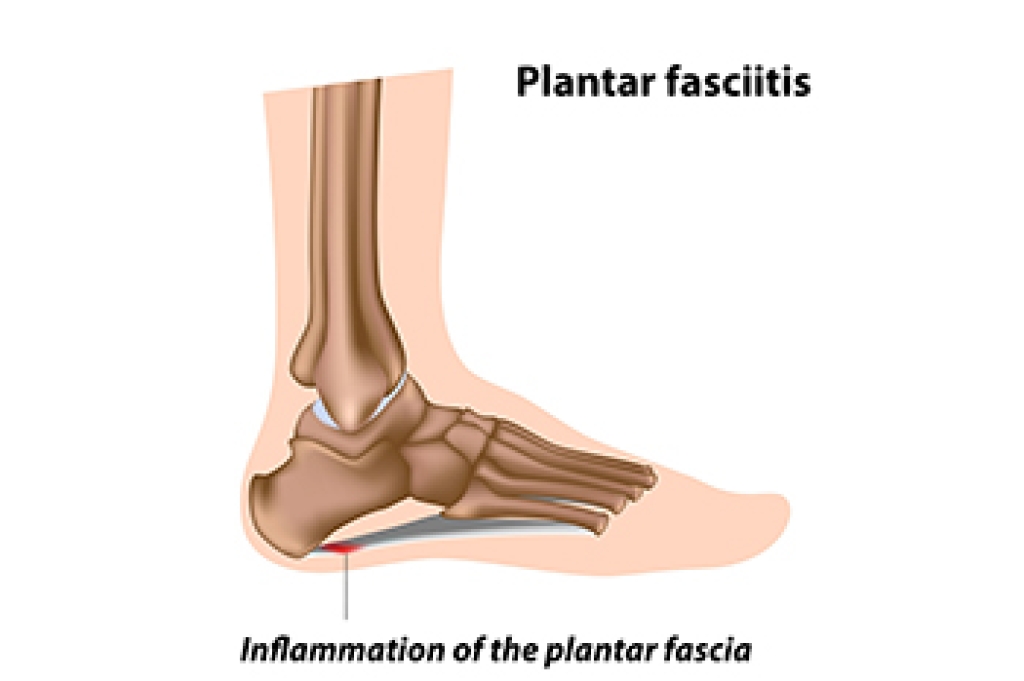
Most complaints of heel pain derive from plantar fasciitis, which involves inflammation of the band of tissue that runs under the feet from the toes to the heels. At first, plantar fasciitis starts as discomfort in the heel or arch, especially if your shoes have inadequate cushioning and an inflexible sole. Then the pain may also be felt when you first wake up, or after sitting or standing for long periods, but it generally fades as you become active again. Wearing shoes that do not fit properly and do not afford enough cushioning or arch support increases the chances of developing plantar fasciitis. Tightness in the calf muscles, another symptom of plantar fasciitis, is related to a problem with a tight Achilles tendon. Many pregnant women experience plantar fasciitis, as the result of gaining weight, retaining water, and increasing pressure on the feet. Long distance runners and soldiers, who may strike heel first while running, might be more prone to plantar fasciitis. If heel pain is a growing problem, it is suggested that you consult a podiatrist for an evaluation and treatment options.

Plantar fasciitis is a common foot condition that is often caused by a strain injury. If you are experiencing heel pain or symptoms of plantar fasciitis, contact Frederick Matthews, DPM from Innovative Foot and Ankle Care. Our doctor can provide the care you need to keep you pain-free and on your feet.

What Is Plantar Fasciitis?

Plantar fasciitis is one of the most common causes of heel pain. The plantar fascia is a ligament that connects your heel to the front of your foot. When this ligament becomes inflamed, plantar fasciitis is the result. If you have plantar fasciitis you will have a stabbing pain that usually occurs with your first steps in the morning. As the day progresses and you walk around more, this pain will start to disappear, but it will return after long periods of standing or sitting.

What Causes Plantar Fasciitis?

  • Excessive running
  • Having high arches in your feet
  • Other foot issues such as flat feet
  • Pregnancy (due to the sudden weight gain)
  • Being on your feet very often

There are some risk factors that may make you more likely to develop plantar fasciitis compared to others. The condition most commonly affects adults between the ages of 40 and 60. It also tends to affect people who are obese because the extra pounds result in extra stress being placed on the plantar fascia.

Prevention

  • Take good care of your feet – Wear shoes that have good arch support and heel cushioning.
  • Maintain a healthy weight
  • If you are a runner, alternate running with other sports that won’t cause heel pain

There are a variety of treatment options available for plantar fasciitis along with the pain that accompanies it. Additionally, physical therapy is a very important component in the treatment process. It is important that you meet with your podiatrist to determine which treatment option is best for you.

If you have any questions, please feel free to contact our office located in Plano, TX . We offer the newest diagnostic and treatment technologies for all your foot care needs.


Read more about Plantar Fasciitis

Connect With Us