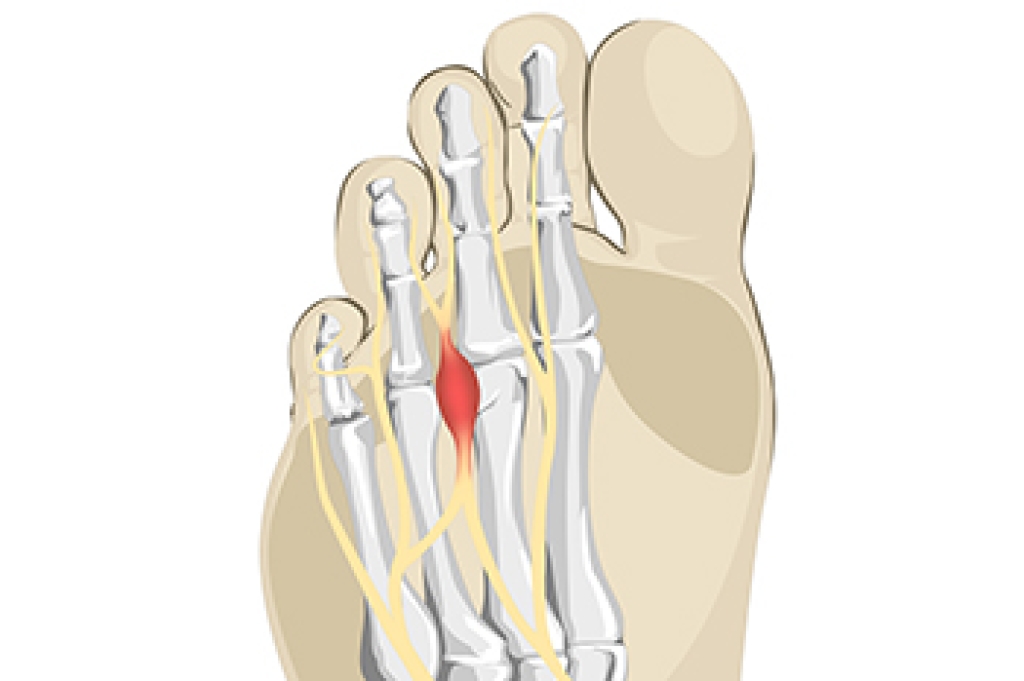
Morton’s Neuroma and Wearing High Heels

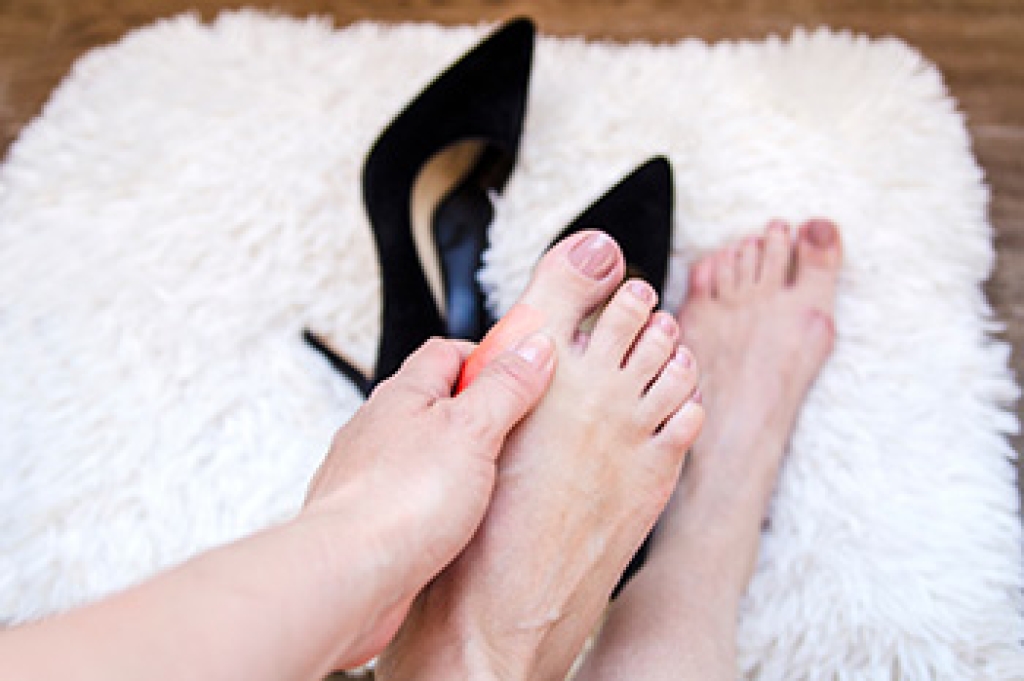
Morton’s neuroma is a foot condition that affects the nerves between the third and fourth toes. It generally happens from weaning shoes that do not have enough room for the toes to move freely in. This condition can develop in people who frequently wear high heels, and the nerve can become irritated or damaged. Common symptoms many patients experience can consist of having a burning pain in this area, and it can feel as if a small stone is in the shoe or sock. Mild relief can be found when the offending pair of shoes is not worn, and the affected foot is elevated. It is beneficial to wear wide, comfortable shoes that have a soft sole and low heel, and it may help to lose weight if needed. If there is a pain in this part of your foot, and simple relief tactics are ineffective, it is strongly suggested that you seek the counsel of a podiatrist who can effectively diagnose Morton’s neuroma, and guide you toward permanent relief methods.

Morton’s neuroma is a very uncomfortable condition to live with. If you think you have Morton’s neuroma, contact Frederick Matthews, DPM of Innovative Foot and Ankle Care. Our doctor will attend to all of your foot care needs and answer any of your related questions.  

Morton’s Neuroma

Morton's neuroma is a painful foot condition that commonly affects the areas between the second and third or third and fourth toe, although other areas of the foot are also susceptible. Morton’s neuroma is caused by an inflamed nerve in the foot that is being squeezed and aggravated by surrounding bones.

What Increases the Chances of Having Morton’s Neuroma?

  • Ill-fitting high heels or shoes that add pressure to the toe or foot
  • Jogging, running or any sport that involves constant impact to the foot
  • Flat feet, bunions, and any other foot deformities

Morton’s neuroma is a very treatable condition. Orthotics and shoe inserts can often be used to alleviate the pain on the forefront of the feet. In more severe cases, corticosteroids can also be prescribed. In order to figure out the best treatment for your neuroma, it’s recommended to seek the care of a podiatrist who can diagnose your condition and provide different treatment options.

If you have any questions, please feel free to contact our office located in Plano, TX . We offer the newest diagnostic and treatment technologies for all your foot care needs.
Read more about Morton's Neuroma

Sever’s Disease in Children

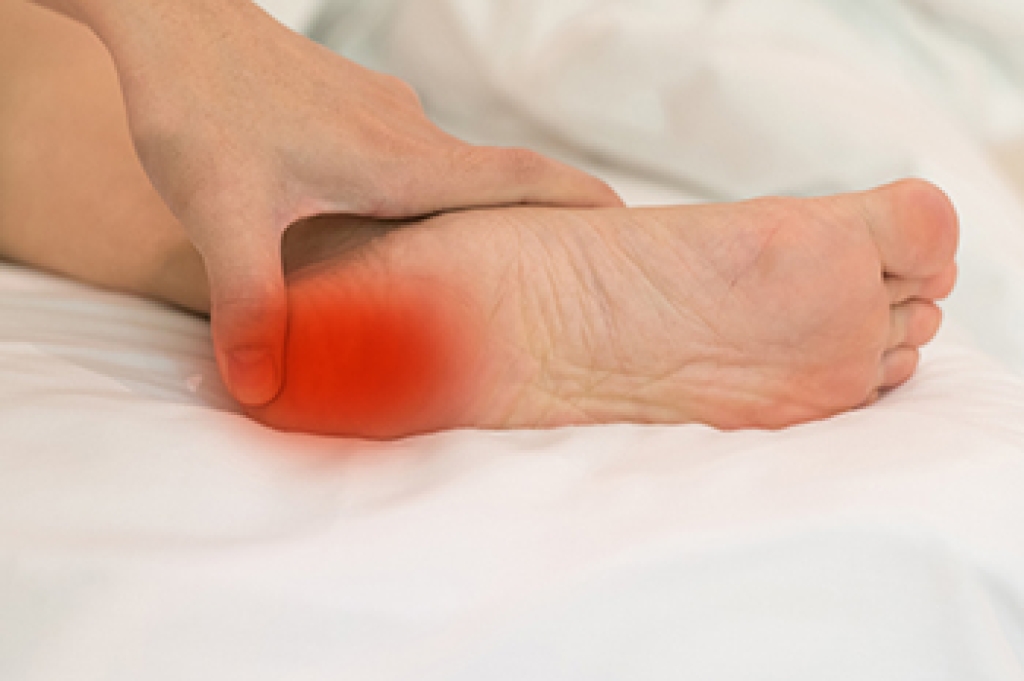
Sever’s disease, or calcaneal apophysis, is a common cause of heel pain in active children ages 8 to 15. It is often described as an overuse injury from running and jumping activities that cause repetitive stress and pressure on the calcaneal growth plate. When adolescents have a growth spurt, their bone may exceed the growth of this muscle-tendon unit. This can cause the inability to stretch and maintain flexibility, as well as irritation, inflammation, and pain to ensue. This condition is diagnosed by an examination of the heel and a positive squeeze test that replicates the pain. Radiographic imaging can exclude other possible causes of such pain. Some treatment options for Sever’s disease consist of resting, stretching exercises, and wearing orthotics. If your child has Sever’s disease and is not responding to rest, it is suggested that you set up an appointment with a podiatrist for an accurate diagnosis and a treatment plan.

Sever's disease often occurs in children and teens. If your child is experiencing foot or ankle pain, see Frederick Matthews, DPM from Innovative Foot and Ankle Care. Our doctor can treat your child’s foot and ankle needs.

Sever’s Disease

Sever’s disease is also known as calcaneal apophysitis, which is a medical condition that causes heel pain I none or both feet. The disease is known to affect children between the ages of 8 and 14.

Sever’s disease occurs when part of the child’s heel known as the growth plate (calcaneal epiphysis) is attached to the Achilles tendon. This area can suffer injury when the muscles and tendons of the growing foot do not keep pace with bone growth. Therefore, the constant pain which one experiences at the back of the heel will make the child unable to put any weight on the heel. The child is then forced to walk on their toes.

Symptoms

Acute pain – Pain associated with Sever’s disease is usually felt in the heel when the child engages in physical activity such as walking, jumping and or running.

Highly active – Children who are very active are among the most susceptible in experiencing Sever’s disease, because of the stress and tension placed on their feet.

If you have any questions, please feel free to contact our office located in Plano, TX . We offer the newest diagnostic and treatment technologies for all your foot care needs.
Read more about Sever's Disease

Help With Elderly Foot Care

The importance of maintaining good foot care increases as we age. This may be difficult to do as the aging process occurs, and many seniors may need to have a family member or caregiver help them. It is beneficial to wear shoes that fit correctly, and this may help to prevent bunions, hammertoes, and other uncomfortable foot conditions from developing. It is helpful for the toenails to be trimmed weekly, which may be easier to accomplish after a bath or shower when they are softer. Performing gentle foot stretches can help with blood flowing properly, and physical activity may slowly be increased. Many seniors find it can be difficult to look at the bottom of the feet for any cuts that have developed, and often use a mirror. If you would like to have more knowledge about elderly foot care, it is suggested that you consult with a podiatrist who can provide you with useful information.

Proper foot care is something many older adults forget to consider. If you have any concerns about your feet and ankles, contact Frederick Matthews, DPM from Innovative Foot and Ankle Care. Our doctor can provide the care you need to keep you pain-free and on your feet.

The Elderly and Their Feet

As we age we start to notice many changes in our body, but the elder population may not notice them right away. Medical conditions may prevent the elderly to take notice of their foot health right away. Poor vision is a lead contributor to not taking action for the elderly.

Common Conditions 

  • Neuropathy – can reduce feeling in the feet and can hide many life-threatening medical conditions.
  • Reduced flexibility – prevents the ability of proper toenail trimming, and foot cleaning. If left untreated, it may lead to further medical issues.
  • Foot sores – amongst the older population can be serious before they are discovered. Some of the problematic conditions they may face are:
  • Gouging toenails affecting nearby toe
  • Shoes that don’t fit properly
  • Pressure sores
  • Loss of circulation in legs & feet
  • Edema & swelling of feet and ankles

Susceptible Infections

Diabetes and poor circulation can cause general loss of sensitivity over the years, turning a simple cut into a serious issue.

If you have any questions, please feel free to contact our office located in Plano, TX . We offer the newest diagnostic and treatment technologies for all your foot care needs.
Read more about Taking Care of Elderly Feet

Do High Heels Cause Bunions?

Wearing high heels can enhance the look of your legs and ankles, but may not be helping the health of your feet. However, though experts agree that while most bunions form because of a genetic disposition to this deformity, wearing high heels can make the problem worse if you are already susceptible. Also, it is thought that having a bunion is more of a matter of your gait, or how you walk, than the type of shoes you wear. But because wearing high heels forces the weight of the body toward the ball of the foot, they may add to the likelihood of a bunion formation. A bunion is a deformity that pushes the bone outward at the base of the big toe joint causing a lump to develop on the side of the foot. The other toes react by moving in the opposite direction. High heels, which often have a small and pointed toe box, essentially encourage this movement. If you often wear high heels and notice a bunion forming, it is suggested that you make an appointment with a podiatrist who can offer treatment options.

High heels have a history of causing foot and ankle problems. If you have any concerns about your feet or ankles, contact Frederick Matthews, DPM from Innovative Foot and Ankle Care. Our doctor can provide the care you need to keep you pain-free and on your feet.

Effects of High Heels on the Feet

High heels are popular shoes among women because of their many styles and societal appeal.  Despite this, high heels can still cause many health problems if worn too frequently.

Which Parts of My Body Will Be Affected by High Heels?

  • Ankle Joints
  • Achilles Tendon – May shorten and stiffen with prolonged wear
  • Balls of the Feet
  • Knees – Heels cause the knees to bend constantly, creating stress on them
  • Back – They decrease the spine’s ability to absorb shock, which may lead to back pain.  The vertebrae of the lower back may compress.

What Kinds of Foot Problems Can Develop from Wearing High Heels?

  • Corns
  • Calluses
  • Hammertoe
  • Bunions
  • Morton’s Neuroma
  • Plantar Fasciitis

How Can I Still Wear High Heels and Maintain Foot Health?

If you want to wear high heeled shoes, make sure that you are not wearing them every day, as this will help prevent long term physical problems.  Try wearing thicker heels as opposed to stilettos to distribute weight more evenly across the feet.  Always make sure you are wearing the proper shoes for the right occasion, such as sneakers for exercising.  If you walk to work, try carrying your heels with you and changing into them once you arrive at work.  Adding inserts to your heels can help cushion your feet and absorb shock. Full foot inserts or metatarsal pads are available. 

If you have any questions, please feel free to contact our office located in Plano, TX . We offer the newest diagnostic and treatment technologies for all your foot care needs.

Read more about Effect of High Heels on the Feet

Gout Pain Can Be Managed

Gout is a painful, inflammatory form of arthritis. Those affected will typically feel an intense stiffness in the joints of their feet, particularly in the big toe. Schedule a visit to learn about how gout can be managed and treated.

Connect With Us