
Fall Risk and Foot Problems in the Elderly

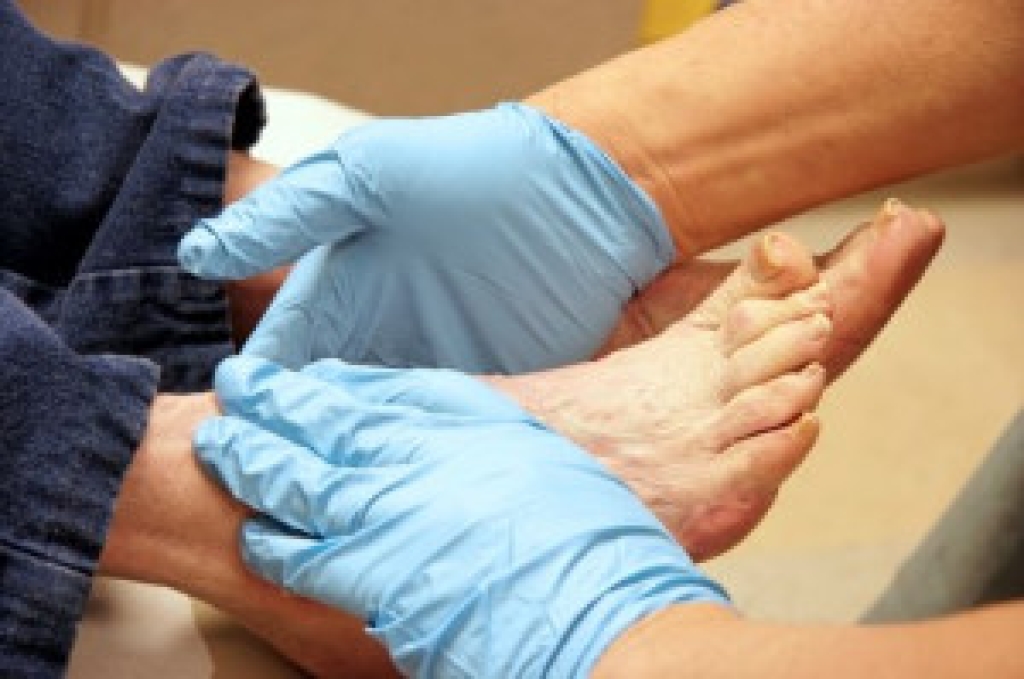
Foot problems in the elderly are a major concern because they contribute to balance and gait issues and lead to an increasing risk of falls. Seniors are physically weaker, have more mobility problems, and have reduced concentration than those that are younger. Their foot problems result from gait issues, poor posture, weakness of the bones, poor blood circulation, reduced sensation, inactivity, and fatigue. Since older people cannot always feel when they sustain an injury to their feet, they may develop wounds that are left untreated. Older people most often suffer from corns and calluses, bunions, foot fungus, hammertoe, toenail problems, and plantar fasciitis. If you are elderly or take care of one in this age group, it is suggested that you include a podiatrist on the health care team. If you, or the one you care for, notice ongoing problems or pain with feet and falling, a podiatrist can assess the situation and provide treatment.

Proper foot care is something many older adults forget to consider. If you have any concerns about your feet and ankles, contact Frederick Matthews, DPM from Innovative Foot and Ankle Care. Our doctor can provide the care you need to keep you pain-free and on your feet.

The Elderly and Their Feet

As we age we start to notice many changes in our body, but the elder population may not notice them right away. Medical conditions may prevent the elderly to take notice of their foot health right away. Poor vision is a lead contributor to not taking action for the elderly.

Common Conditions 

  • Neuropathy – can reduce feeling in the feet and can hide many life-threatening medical conditions.
  • Reduced flexibility – prevents the ability of proper toenail trimming, and foot cleaning. If left untreated, it may lead to further medical issues.
  • Foot sores – amongst the older population can be serious before they are discovered. Some of the problematic conditions they may face are:
  • Gouging toenails affecting nearby toe
  • Shoes that don’t fit properly
  • Pressure sores
  • Loss of circulation in legs & feet
  • Edema & swelling of feet and ankles

Susceptible Infections

Diabetes and poor circulation can cause general loss of sensitivity over the years, turning a simple cut into a serious issue.

If you have any questions, please feel free to contact our office located in Plano, TX . We offer the newest diagnostic and treatment technologies for all your foot care needs.
Read more about Elderly and their Feet

Simple Methods for Proper Diabetic Foot Care

Foot problems can easily develop in diabetic patients. A diabetic person may experience neuropathy, which is the inability to feel cuts or scrapes on the foot because of nerve damage. Elevated blood sugar levels also can cause the feet to become numb. Existing cuts can become infected, which may lead to developing a foot ulcer. If immediate treatment is not received, gangrene can develop and, in severe cases, amputation may become necessary. It is beneficial for diabetic patients to take proper care of their feet. This often starts with checking the feet daily for cuts and bruises, and many people use a mirror to do this. The toenails need to be trimmed properly, and this is often done by visiting a podiatrist. Glucose levels may be improved by quitting smoking, and eating a healthy, balanced diet daily. Additionally, the feet will feel more comfortable when the shoes that are worn fit properly, and this may prevent unnecessary foot conditions from developing. It is strongly advised for diabetic patients to be under the care of a podiatrist who can properly treat and manage this condition.

Diabetic foot care is important in preventing foot ailments such as ulcers. If you are suffering from diabetes or have any other concerns about your feet, contact Frederick Matthews, DPM from Innovative Foot and Ankle Care. Our doctor can provide the care you need to keep you pain-free and on your feet.

Diabetic Foot Care

Diabetes affects millions of people every year. The condition can damage blood vessels in many parts of the body, especially the feet. Because of this, taking care of your feet is essential if you have diabetes, and having a podiatrist help monitor your foot health is highly recommended.

The Importance of Caring for Your Feet

  • Routinely inspect your feet for bruises or sores.
  • Wear socks that fit your feet comfortably.
  • Wear comfortable shoes that provide adequate support.

Patients with diabetes should have their doctor monitor their blood levels, as blood sugar levels play such a huge role in diabetic care. Monitoring these levels on a regular basis is highly advised.

It is always best to inform your healthcare professional of any concerns you may have regarding your feet, especially for diabetic patients. Early treatment and routine foot examinations are keys to maintaining proper health, especially because severe complications can arise if proper treatment is not applied.

If you have any questions, please feel free to contact our office located in Plano, TX . We offer the newest diagnostic and treatment technologies for all your foot care needs.

Read more about How to Care for Diabetic Foot

Types of Metatarsal Fractures

Of the 26 bones in the foot, the five long bones that connect the heel to the toes are the most frequently broken. These long bones, called metatarsals, can be injured in two ways: acute fractures and stress fractures.  Acute metatarsal fractures can be caused by direct trauma to the foot, such as dropping something heavy on it or kicking a heavy object. Acute fractures are breaks in the bone. Stress fractures, on the other hand, are hairline cracks in the metatarsal, usually caused by repetitive use or overuse. They are common among runners, basketball players, dancers, and people who carry heavy packs while walking long distances. People with osteoporosis are also at risk for developing stress fractures. Symptoms felt with an acute metatarsal fracture are typically more severe than those from stress fractures. You may actually hear the crack as the bone breaks, and pain is immediate and specific. Movement of the foot will be difficult at best. With stress fractures, the symptoms develop gradually, starting out with general pain over a widespread area, which then becomes more and more noticeable. With either an acute metatarsal fracture or a stress fracture, it is imperative to see a podiatrist as soon as possible for an accurate diagnosis and treatment plan.  

A broken foot requires immediate medical attention and treatment. If you need your feet checked, contact Frederick Matthews, DPM from Innovative Foot and Ankle Care. Our doctor can provide the care you need to keep you pain-free and on your feet.

Broken Foot Causes, Symptoms, and Treatment

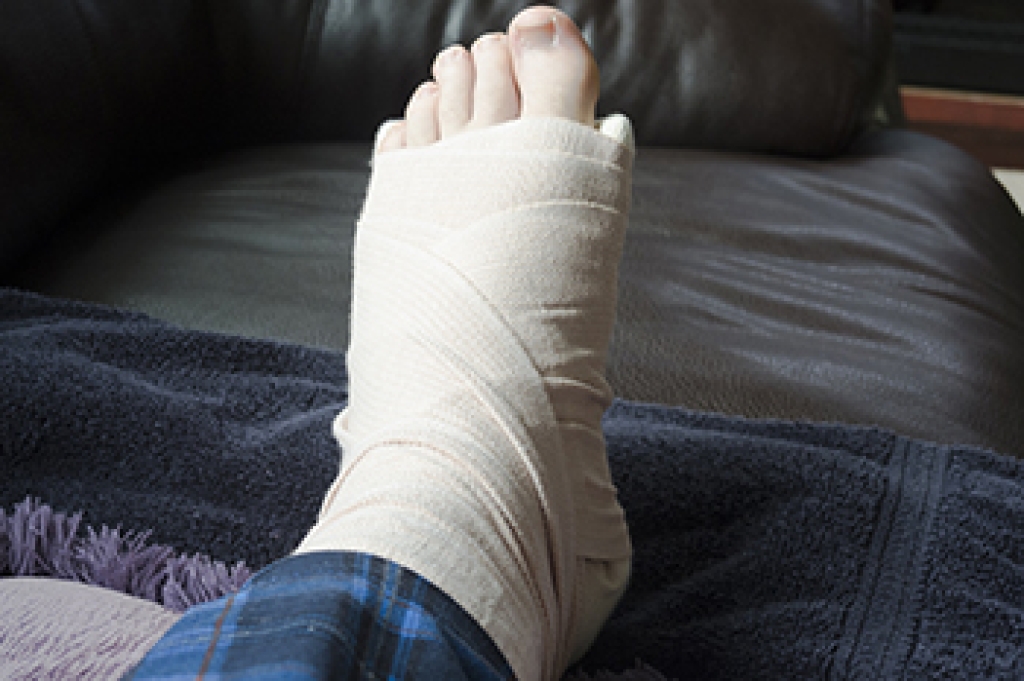
A broken foot is caused by one of the bones in the foot typically breaking when bended, crushed, or stretched beyond its natural capabilities. Usually the location of the fracture indicates how the break occurred, whether it was through an object, fall, or any other type of injury. 

Common Symptoms of Broken Feet:

  • Bruising
  • Pain
  • Redness
  • Swelling
  • Blue in color
  • Numbness
  • Cold
  • Misshapen
  • Cuts
  • Deformities

Those that suspect they have a broken foot shoot seek urgent medical attention where a medical professional could diagnose the severity.

Treatment for broken bones varies depending on the cause, severity and location. Some will require the use of splints, casts or crutches while others could even involve surgery to repair the broken bones. Personal care includes the use of ice and keeping the foot stabilized and elevated.

If you have any questions, please feel free to contact our office located in Plano, TX . We offer the newest diagnostic and treatment technologies for all your foot care needs.

Read more about Causes, Symptoms, and Treatment for a Broken Foot

Connect With Us