
What Is Kohler Disease?

Kohler disease is categorized as a rare foot condition. It is considered to be a bone disorder and can result from compression caused by stress during a critical growth period. A common symptom of this condition is a swollen foot, which can be painful. It may be especially sensitive in the arch of the foot, which can appear to be red. Children between the ages of 3 and 7 are generally affected by Kohler disease, and parents may notice their child is limping. Walking can be difficult, and this may be from an interruption of blood flow to one of the bones in the foot. Research has shown the exact cause of Kohler disease is not known, but some specialists speculate it can be related to an injury that may have occurred before the child was 2 years old. Many cases of Kohler disease will gradually resolve, and the time frame can depend on the severity of the symptoms. If your child has a swollen foot, it is suggested that you consult with a podiatrist who can diagnose and treat this rare foot condition.

Some foot conditions may require additional professional care. If you have any concerns, contact Frederick Matthews, DPM of Innovative Foot and Ankle Care. Our doctor can provide the care you need to keep you pain-free and on your feet.

Rare Foot Conditions

The majority of foot conditions are common and can be treated by a podiatrist.  Standard diagnostic procedures are generally used to identify specific conditions and treatment can be rendered. A podiatrist also treats rare foot conditions which can be difficult to diagnose and may need extra attention and care. 

There are many rare foot conditions that can affect children. Some of these can include:

  • Freiberg’s disease
  • Kohler’s disease
  • Maffucci syndrome

Freiberg’s disease - This can be seen as a deterioration and flattening of a metatarsal bone that exists in the ball of the foot. It typically affects pre-teen and teenage girls, but can affect anyone at any age. Symptoms that can accompany this can be swelling, stiffness, and the patient may limp. 

Kohler’s disease - This often targets the bone in the arch of the foot and affects younger boys. It can lead to an interruption of the blood supply which ultimately can lead to bone deterioration. The patient may limp or experience tenderness, swelling, and redness.

Maffucci syndrome - This affects the long bones in a child’s foot leading to the development of abnormal bone lesions. They are benign growths and typically develop in early childhood and the bones may be susceptible to breaking. 

A podiatrist can properly diagnose and treat all types of rare foot conditions. If your child is affected by any of these symptoms or conditions, please don’t hesitate to call our office so the correct treatment method can begin.

If you have any questions, please feel free to contact our office located in Plano, TX . We offer the newest diagnostic and treatment technologies for all your foot care needs.
Read more about Rare Foot Conditions

Athlete’s Foot Affects the Skin on the Feet

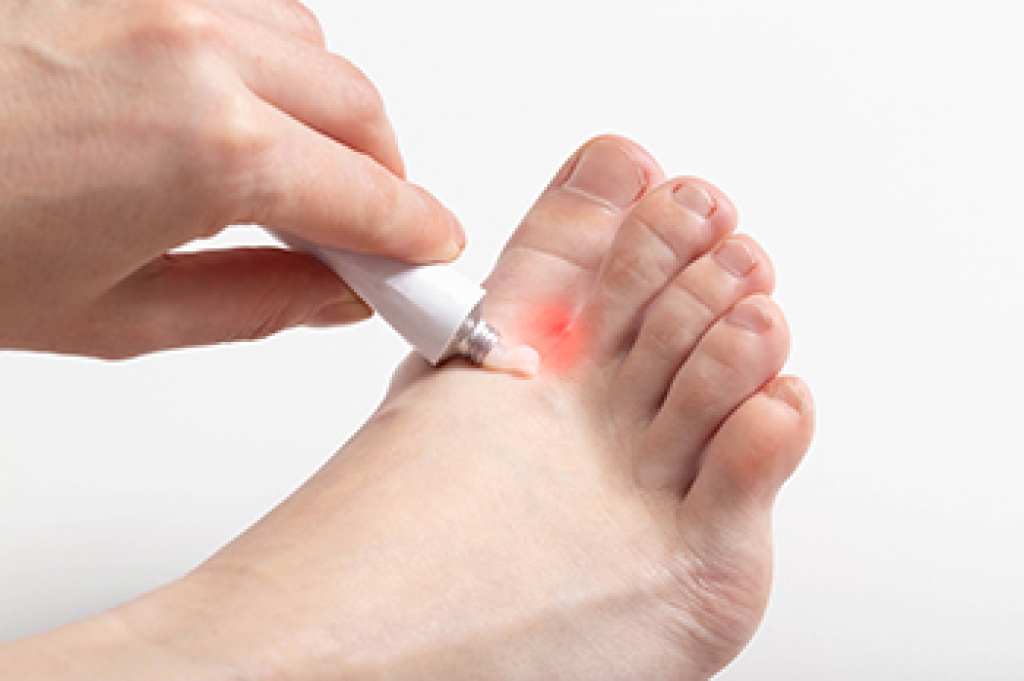
Many people will develop athlete’s foot at some point in their lives. It is a common foot condition that can cause the skin on the soles of the feet to itch, crack, and appear generally unattractive. It may also affect the skin between the toes and can cause discomfort. Athlete’s foot is caused by a fungus that lives in warm and moist areas. These can include locker rooms, public swimming pools and surrounding areas. The fungus can enter the body through small cracks in the skin, and it is beneficial to wear appropriate shoes while in these types of environments. Many people choose to seek relief from a podiatrist when their feet are unsightly and uncomfortable. A sample is often taken from the affected skin which can confirm athlete’s foot, and medication can be prescribed. If you have developed this condition, it is strongly suggested that you are under the care of this type of doctor who can help you with correct treatment options.

Athlete’s Foot

Athlete’s foot is often an uncomfortable condition to experience. Thankfully, podiatrists specialize in treating athlete’s foot and offer the best treatment options. If you have any questions about athlete’s foot, consult with Frederick Matthews, DPM from Innovative Foot and Ankle Care. Our doctor will assess your condition and provide you with quality treatment.

What Is Athlete’s Foot?

Tinea pedis, more commonly known as athlete’s foot, is a non-serious and common fungal infection of the foot. Athlete’s foot is contagious and can be contracted by touching someone who has it or infected surfaces. The most common places contaminated by it are public showers, locker rooms, and swimming pools. Once contracted, it grows on feet that are left inside moist, dark, and warm shoes and socks.

Prevention

The most effective ways to prevent athlete’s foot include:

  • Thoroughly washing and drying feet
  • Avoid going barefoot in locker rooms and public showers
  • Using shower shoes in public showers
  • Wearing socks that allow the feet to breathe
  • Changing socks and shoes frequently if you sweat a lot

Symptoms

Athlete’s foot initially occurs as a rash between the toes. However, if left undiagnosed, it can spread to the sides and bottom of the feet, toenails, and if touched by hand, the hands themselves. Symptoms include:

  • Redness
  • Burning
  • Itching
  • Scaly and peeling skin

Diagnosis and Treatment

Diagnosis is quick and easy. Skin samples will be taken and either viewed under a microscope or sent to a lab for testing. Sometimes, a podiatrist can diagnose it based on simply looking at it. Once confirmed, treatment options include oral and topical antifungal medications.

If you have any questions, please feel free to contact our office located in Plano, TX . We offer the newest diagnostic and treatment technologies for all your foot care needs.
Read more about How to Deal with Athlete's Foot

Sore Feet While Hiking

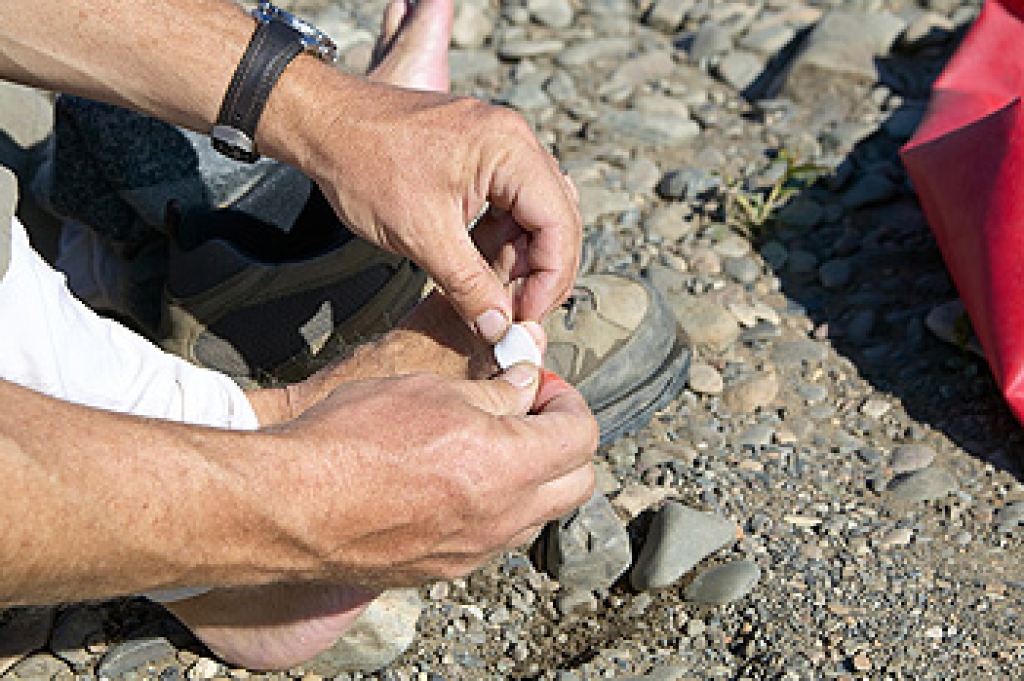
Hiking can be a fun and challenging activity for nature lovers. It can be great exercise and provide one with the experience of stunning views and a huge sense of accomplishment. Most hikers have experienced some foot pain during a hike at some point in time. While blisters, plantar fasciitis, or hot spots can commonly befall hikers, other things like tendonitis can occur as well. Painful blisters are a common hiking problem. These are fluid-filled pockets that develop under the skin and are caused by friction. Blisters can easily come on from overuse and wearing boots that do not fit well. Plantar fasciitis is an inflammation of the plantar fascia, which is the connective tissue that runs from the heels to the toes on the underside of the foot. It can make every step a hiker takes painful, particularly in the heel and arch of the foot. A hot spot is a signal that a blister is about to form. Foot pain prevention measures to take before a hike include training for the hike by doing aerobic exercise, and resistance training.  Also, practicing shorter hikes on similar terrain, wearing well-fitting hiking boots, using orthotic insoles, and wearing lightweight, breathable, and cushioned socks. When discomfort surfaces during a hike, stop to deal with it before it worsens. A foot care kit can be prepared beforehand and taken on hikes for this purpose. Simple things to include in such a kit are an extra pair of socks, athletic or duct tape, powder, and blister patches. If your foot pain from a hike persists or worsens, it is strongly suggested that you make an appointment with a podiatrist who can evaluate the problem and provide treatment options.

Sports related foot and ankle injuries require proper treatment before players can go back to their regular routines. For more information, contact Frederick Matthews, DPM of Innovative Foot and Ankle Care. Our doctor can provide the care you need to keep you pain-free and on your feet.

Sports Related Foot and Ankle Injuries

Foot and ankle injuries are a common occurrence when it comes to athletes of any sport. While many athletes dismiss the initial aches and pains, the truth is that ignoring potential foot and ankle injuries can lead to serious problems. As athletes continue to place pressure and strain the area further, a mild injury can turn into something as serious as a rupture and may lead to a permanent disability. There are many factors that contribute to sports related foot and ankle injuries, which include failure to warm up properly, not providing support or wearing bad footwear. Common injuries and conditions athletes face, including:

  • Plantar Fasciitis
  • Achilles Tendinitis
  • Achilles Tendon Rupture
  • Ankle Sprains

Sports related injuries are commonly treated using the RICE method. This includes rest, applying ice to the injured area, compression and elevating the ankle. More serious sprains and injuries may require surgery, which could include arthroscopic and reconstructive surgery. Rehabilitation and therapy may also be required in order to get any recovering athlete to become fully functional again. Any unusual aches and pains an athlete sustains must be evaluated by a licensed, reputable medical professional.

If you have any questions please contact our office located in Plano, TX . We offer the newest diagnostic and treatment technologies for all your foot and ankle needs.

Read more about Sports Related Foot And Ankle Injuries

Which Type of Arthritis Do I Have?

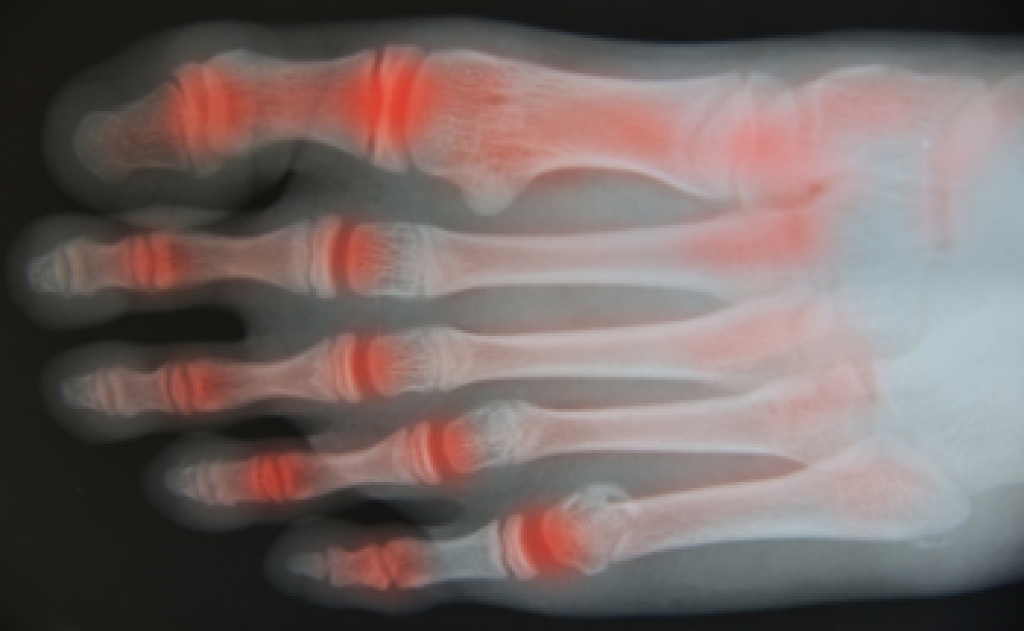
The ankles and feet are responsible for the body’s mobility. Arthritis can affect the joints and range of motion may be limited, as a result of the pain arthritis can cause. There are several kinds of arthritis, and there are a few types that can affect the feet. A degenerative form of arthritis is known as osteoarthritis, or OA, and it tends to happen to people who are middle-aged. A common symptom of the autoimmune disease that is referred to as rheumatoid arthritis, or RA, may lead to incurring a foot deformity, and it is often difficult to walk. An injury may cause post-traumatic arthritis to develop, which causes the cartilage to gradually wear away. Many patients have symptoms of arthritis that can consist of swelling, tenderness, and there may be pain while moving the foot. When the feet are affected by arthritis, patients may lose their sense of balance. If you have foot pain, it is suggested that you consult with a podiatrist who can determine if arthritis is present, and offer you correct treatment solutions.

Arthritis can be a difficult condition to live with. If you are seeking treatment, contact Frederick Matthews, DPM from Innovative Foot and Ankle Care. Our doctor can provide the care you need to keep you pain-free and on your feet.

Arthritic Foot Care  

Arthritis is a joint disorder that involves the inflammation of different joints in your body, such as those in your feet. Arthritis is often caused by a degenerative joint disease and causes mild to severe pain in all affected areas. In addition to this, swelling and stiffness in the affected joints can also be a common symptom of arthritis.

In many cases, wearing ill-fitting shoes can worsen the effects and pain of arthritis. Wearing shoes that have a lower heel and extra room can help your feet feel more comfortable. In cases of rheumatoid arthritis, the arch in your foot may become problematic. Buying shoes with proper arch support that contour to your feet can help immensely.

Alleviating Arthritic Pain

  • Exercises that stretch the foot can prevent further pain and injury and increase mobility
  • Most of the pain can be alleviated with anti-inflammatory drugs, heat, and topical medications
  • Massages can help temporarily alleviate pain.

It is best to see your doctor for the treatment that is right for your needs and symptoms. Conditions vary, and a podiatrist can help you determine the right method of care for your feet.

If you have any questions please feel free to contact our office located in Plano, TX . We offer the newest diagnostic tools and technology to treat your foot and ankle needs.

Read more about Arthritic Foot Care

Are Bunions Affecting Your Everyday Life?

Have you noticed a bony protrusion on the side of your big toe? If so, you may have developed the foot condition known as a bunion. Don't let bunions interfere with your daily activities.

Connect With Us