
Gout is a painful, inflammatory form of arthritis. Those affected will typically feel an intense stiffness in the joints of their feet, particularly in the big toe. Schedule a visit to learn about how gout can be managed and treated.
Gout is a painful, inflammatory form of arthritis. Those affected will typically feel an intense stiffness in the joints of their feet, particularly in the big toe. Schedule a visit to learn about how gout can be managed and treated.
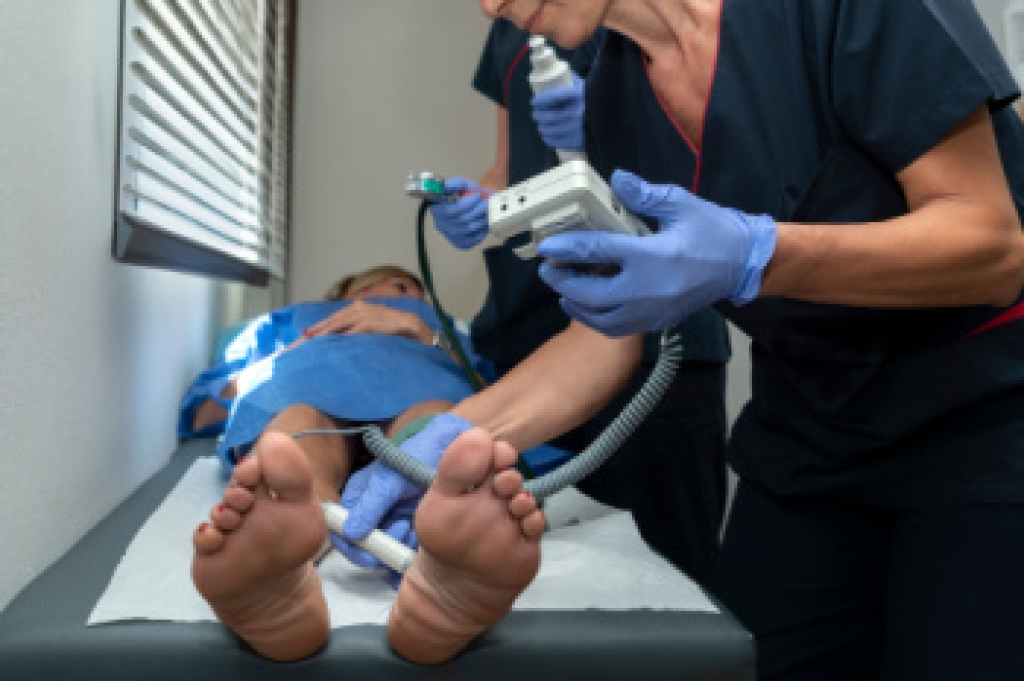
Vascular testing of the lower limbs helps evaluate how well blood moves through the arteries and veins of the legs and feet. These assessments are often recommended when patients experience symptoms such as leg cramping, slow healing wounds, skin discoloration, numbness, or pain while walking. Poor circulation can affect tissue health and increase the risk of serious complications, particularly in individuals with diabetes or other chronic medical conditions. A podiatrist may use non-invasive testing to measure circulation, compare blood pressure in different areas of the limbs, or assess how effectively blood reaches the feet. In some cases, additional imaging may be recommended for a closer look at the blood vessels. Identifying circulation problems early can help guide treatment decisions and improve healing outcomes. These evaluations are especially important when wounds are not improving as expected, or symptoms suggest reduced blood supply. If you notice signs of poor circulation in your legs or feet, it is suggested that you visit a podiatrist for an evaluation and appropriate treatment.
Vascular testing plays an important part in diagnosing disease like peripheral artery disease. If you have symptoms of peripheral artery disease, or diabetes, consult with Frederick Matthews, DPM from Innovative Foot and Ankle Care. Our doctor will assess your condition and provide you with quality foot and ankle treatment.
What Is Vascular Testing?
Vascular testing checks for how well blood circulation is in the veins and arteries. This is most often done to determine and treat a patient for peripheral artery disease (PAD), stroke, and aneurysms. Podiatrists utilize vascular testing when a patient has symptoms of PAD or if they believe they might. If a patient has diabetes, a podiatrist may determine a vascular test to be prudent to check for poor blood circulation.
How Is it Conducted?
Most forms of vascular testing are non-invasive. Podiatrists will first conduct a visual inspection for any wounds, discoloration, and any abnormal signs prior to a vascular test.
The most common tests include:
These tests are safe, painless, and easy to do. Once finished, the podiatrist can then provide a diagnosis and the best course for treatment.
If you have any questions please contact our office located in Plano, TX . We offer the newest diagnostic and treatment technologies for all your foot and ankle needs.

Peeling skin between the toes is more than a cosmetic concern. It can be a sign that the skin has become irritated, damaged, or infected. The affected area may look white, flaky, cracked, or soft from excess moisture. Redness, itching, or an unpleasant odor are other symptoms. Several problems can lead to peeling skin, including fungal infections, trapped moisture, and eczema, which causes dry, inflamed skin. A podiatrist can examine the affected area, determine the cause, and recommend treatment that targets the problem instead of simply covering up the symptoms.
A fungal infection is one of the most frequent reasons for peeling skin between the toes. Fungus grows well in warm, damp places, making the spaces between the toes especially vulnerable. Shoes that do not allow enough air circulation can create an environment where moisture stays trapped. Wearing tight-fitting shoes can also increase rubbing and irritation. Some skin conditions produce peeling that looks similar to a fungal infection, making a professional evaluation important. A podiatrist can identify the source of the peeling through a careful examination and testing. Treatment is based on the diagnosis and focuses on restoring healthy skin while reducing discomfort and preventing the problem from returning.
Ignoring peeling skin between the toes can allow the skin to crack. This makes it easier for bacteria to enter and cause an infection. Patients with diabetes or poor circulation face a greater risk of serious complications because their damaged skin heals more slowly. A podiatrist can provide an accurate diagnosis, remove damaged skin when appropriate, and recommend treatment that protects the surrounding tissue. Regular follow-up visits also allow the healing process to be monitored and adjusted as needed. Healthy skin between the toes supports comfort, balance, and everyday movement. If you notice peeling skin between the toes, it is suggested that you schedule an appointment with a podiatrist for an accurate diagnosis and appropriate treatment.
Everyday foot care is very important to prevent infection and other foot ailments. If you need your feet checked, contact Frederick Matthews, DPM from Innovative Foot and Ankle Care. Our doctor can provide the care you need to keep you pain-free and on your feet.
Everyday Foot Care
Often, people take care of their bodies, face and hair more so than they do for their feet. But the feet are a very important aspect of our bodies, and one that we should pay more attention to. Without our feet, we would not be able to perform most daily tasks.
It is best to check your feet regularly to make sure there are no new bruises or cuts that you may not have noticed before. For dry feet, moisturizer can easily be a remedy and can be applied as often as necessary to the affected areas. Wearing shoes that fit well can also help you maintain good foot health, as well as making it easier to walk and do daily activities without the stress or pain of ill-fitting shoes, high heels, or even flip flops. Wearing clean socks with closed shoes is important to ensure that sweat and bacteria do not accumulate within the shoe. Clean socks help to prevent Athlete’s foot, fungi problems, bad odors, and can absorb sweat.
If you have any questions, please feel free to contact our office located in Plano, TX . We offer the newest diagnostic and treatment technologies for all your foot care needs.
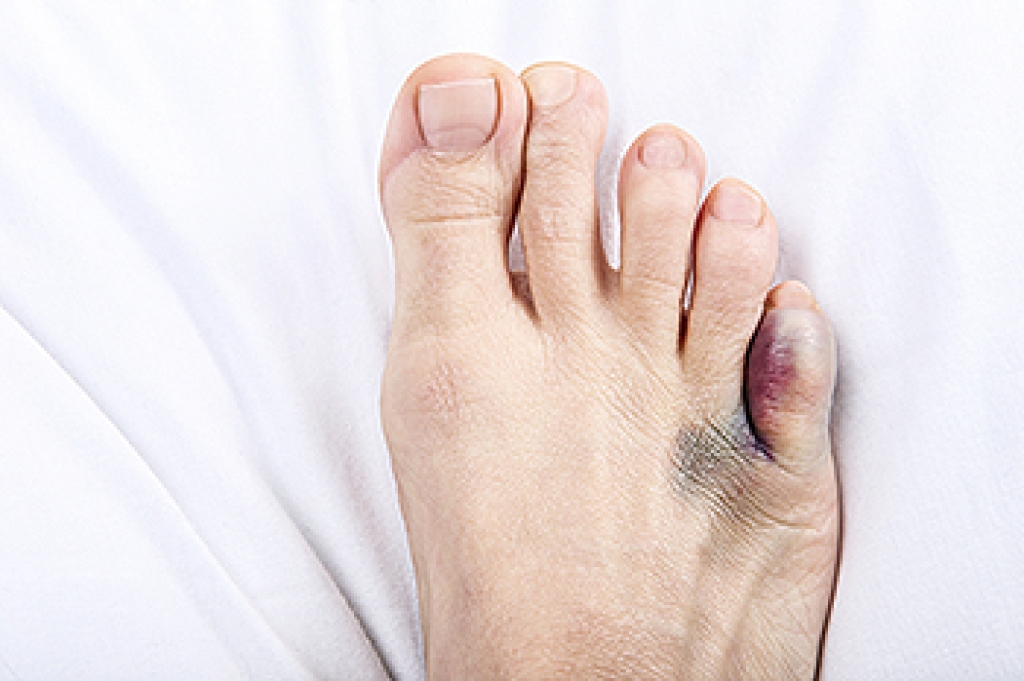
Pain in the pinky toe can develop for several reasons. Because the pinky toe sits on the outside edge of the foot, it is more likely to be bumped, stubbed, or injured. A direct impact can cause a fracture, which is a broken bone, or a sprain, which is a stretched or torn ligament that connects bones. Repeated stress from running, jumping, or other high-impact activities can also lead to small cracks in the bone. Tight-fitting shoes are another common cause of pinky toe pain. A painful corn, which is an area of thickened skin caused by friction, can also develop on or around the pinky toe.
Structural problems in the foot may contribute to pinky toe pain. Some people develop a tailor's bunion, which is a bony bump that forms near the base of the pinky toe. This can become irritated when it rubs against footwear. Other toe shape changes can place extra pressure on the pinky toe and nearby joints. These problems can lead to redness, swelling, and discomfort while walking. In some cases, the toe can become partially or completely dislocated, meaning the bones move out of their normal position. This type of injury can cause severe pain, bruising, and difficulty putting weight on the foot.
A podiatrist can determine the cause of pinky toe pain through a physical examination, X-rays, and other imaging scans. Treatment depends on the source and severity of the problem. Care may include immobilization with a walking boot, protective padding, or custom orthotics to reduce pressure. A podiatrist may also recommend footwear changes to improve comfort and support. More severe injuries or structural problems may require surgery to restore proper alignment and relieve pain. If you have injured a pinky toe, it is suggested that you make an appointment with a podiatrist for an exam and diagnosis.
Toe pain can disrupt your daily activities. If you have any concerns, contact Frederick Matthews, DPM of Innovative Foot and Ankle Care. Our doctor can provide the care you need to keep you pain-free and on your feet.
What Causes Toe Pain?
Most severe toe pain is caused due to a sports injury, trauma from dropping something heavy on the toe, or bumping into something rigid. Other problems can develop over time for various reasons.
Toe pain can be caused by one or more ailments. The most common include:
When to See a Podiatrist
Diagnosis
In many cases the cause of toe pain is obvious, but in others, a podiatrist may want to use more advanced methods to determine the problem. These can range from simple visual inspections and sensation tests to X-rays and MRI scans. Prior medical history, family medical history, and any recent physical traumatic events will all be taken into consideration for a proper diagnosis.
Treatment
Treatments for toe pain and injuries vary and may include shoe inserts, padding, taping, medicines, injections, and in some cases, surgery. If you believe that you have broken a toe, please see a podiatrist as soon as possible.
If you have any questions please contact our office located in Plano, TX . We offer the newest diagnostic and treatment technologies for all your foot and ankle needs.

Foot pain can affect the heel, ball of the foot, or ankle area. It can begin after an injury, but it can also develop from repeated stress on the feet. Pain can come from bones, tendons, or ligaments. A tendon connects muscle to bone, while a ligament connects one bone to another. Foot pain can make standing, working, sports, and daily movement harder. Some people feel sharp pain when walking. Others notice aching, swelling, or stiffness. Wearing shoes that lack proper support can make symptoms worse, especially when the foot is already strained.
Many foot problems are linked to the way the feet and legs move. This is called biomechanics, which means how the body moves and handles pressure. A podiatrist can study your foot shape, walking pattern, and pressure points to find the cause of pain. Conditions like plantar fasciitis, bunions, and ingrown toenails can all cause discomfort. Plantar fasciitis is irritation of the thick band of tissue that supports the arch. Some pain is related to sports, long periods of standing, or shoes that do not fit well. A clear diagnosis matters to make sure each condition is treated properly.
A podiatrist can create a treatment plan based on the cause of your pain and the needs of your feet. Care can include custom orthotics, professional removal of painful thick skin, or treatment for nail problems. Orthotics are special shoe inserts that help control pressure and improve foot position. A podiatrist can also check your shoes, treat infections, and recommend medical care for injury-related pain. People with diabetes should have foot pain evaluated promptly because small problems can become serious. Early care can reduce pain and help protect mobility. If you have foot pain, it is suggested that you schedule an appointment with a podiatrist for an accurate diagnosis and appropriate treatment.
Foot Pain
Foot pain can be extremely painful and debilitating. If you have a foot pain, consult with Frederick Matthews, DPM from Innovative Foot and Ankle Care. Our doctor will assess your condition and provide you with quality foot and ankle treatment.
Causes
Foot pain is a very broad condition that could be caused by one or more ailments. The most common include:
Diagnosis
To figure out the cause of foot pain, podiatrists utilize several different methods. This can range from simple visual inspections and sensation tests to X-rays and MRI scans. Prior medical history, family medical history, and any recent physical traumatic events will all be taken into consideration for a proper diagnosis.
Treatment
Treatment depends upon the cause of the foot pain. Whether it is resting, staying off the foot, or having surgery; podiatrists have a number of treatment options available for foot pain.
If you have any questions, please feel free to contact our office located in Plano, TX . We offer the newest diagnostic and treatment technologies for all your foot care needs.
Connect With Us
