The Feet Absorb and Control Impact During Running

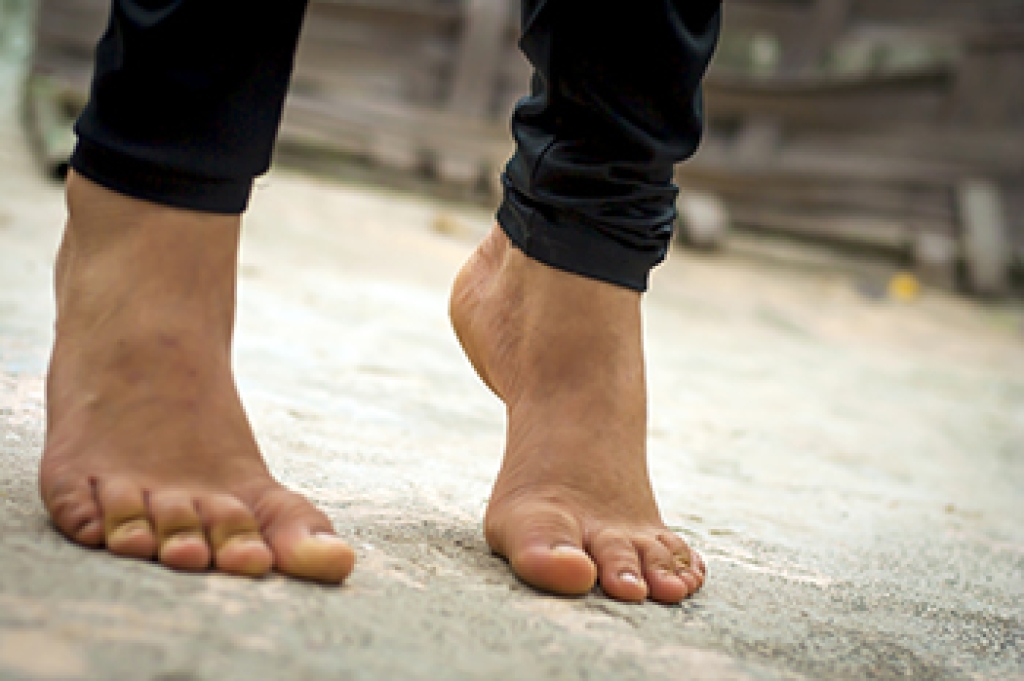
There are several phases that the feet go through while running. The heel strike is sometimes referred to as ground contact and this happens when the foot lands on the ground. This is followed by rolling up to the forefoot and ends by pushing off. One of the responsibilities the feet have is to absorb and control the impact as walking and running take place. The term pronation is the inward movement the foot makes, and it is slightly lifted off the ground when running. When the foot strikes the ground, a normal foot structure will pronate to cushion the landing. This is followed by the arch as it lifts from its flattened state and will generally become stiff to maintain stability. Many runners have overpronation which may be common among people who have flat feet. The running shoes will often show evidence of overpronation and may show wear and tear on the inside part of the heel. If you would like to know more information about foot structure or biomechanics of the feet, feel free to consult with a podiatrist who can answer any questions you may have.

If you have any concerns about your feet, contact Frederick Matthews, DPM from Innovative Foot and Ankle Care. Our doctor can provide the care you need to keep you pain-free and on your feet.

Biomechanics in Podiatry

Podiatric biomechanics is a particular sector of specialty podiatry with licensed practitioners who are trained to diagnose and treat conditions affecting the foot, ankle and lower leg. Biomechanics deals with the forces that act against the body, causing an interference with the biological structures. It focuses on the movement of the ankle, the foot and the forces that interact with them.

A History of Biomechanics

  • Biomechanics dates back to the BC era in Egypt where evidence of professional foot care has been recorded.
  • In 1974, biomechanics gained a higher profile from the studies of Merton Root, who claimed that by changing or controlling the forces between the ankle and the foot, corrections or conditions could be implemented to gain strength and coordination in the area.

Modern technological improvements are based on past theories and therapeutic processes that provide a better understanding of podiatric concepts for biomechanics. Computers can provide accurate information about the forces and patterns of the feet and lower legs.

Understanding biomechanics of the feet can help improve and eliminate pain, stopping further stress to the foot.

If you have any questions please feel free to contact our office located in Plano, TX . We offer the newest diagnostic and treatment technologies for all your foot and ankle needs.
Read more about The Importance of Biomechanics in Podiatry

Possible Preventive Techniques for Cracked Heels

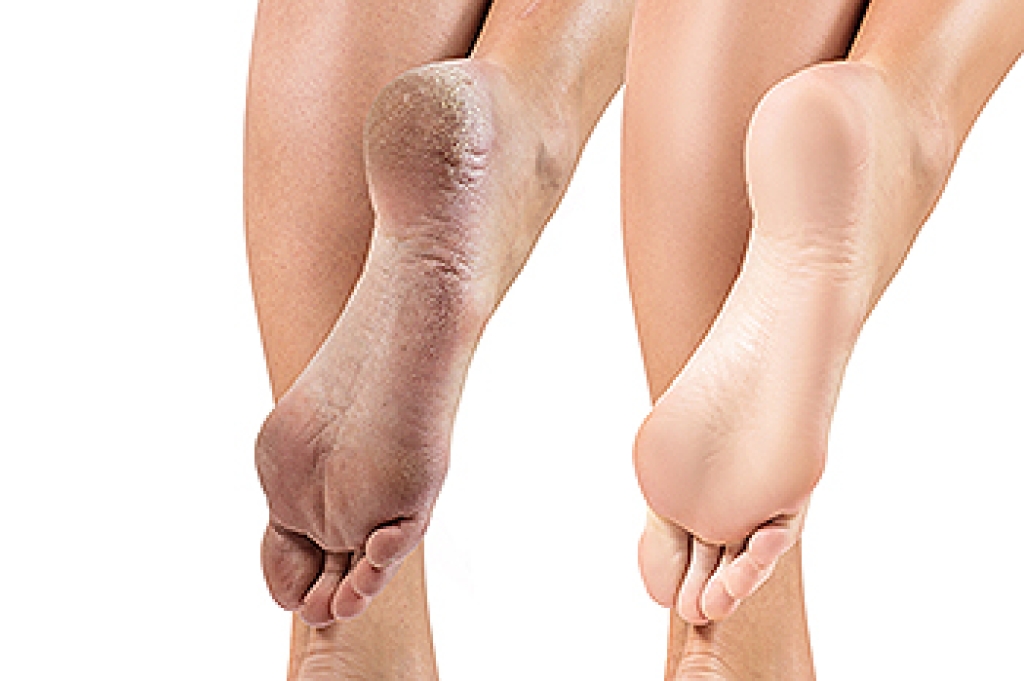
The medical condition known as cracked heels can be uncomfortable. If the cracks in the skin are deep, they are referred to as fissures, and may bleed. It is an ailment that affects the heels, and it is generally caused by having excessively dry skin. This can be a result of the aging process, from wearing shoes that do not have a back, or from standing on hard surfaces for most of the day. There may be existing medical conditions that can lead to cracked heels, including eczema, psoriasis, a thyroid disorder, or a vitamin deficiency. People who are overweight may experience cracked heels, and this can be a result of the added weight the feet must endure. Some of the symptoms associated with cracked heels include flaky skin, bleeding, pain and discomfort. An effective prevention technique includes washing and drying the feet daily followed by applying a good moisturizer. Additionally, it may help to refrain from standing in one position for long periods of time and to wear shoes that have a back. If you have cracked heels, a podiatrist can prescribe effective medicine that can help to manage this condition, and it is suggested that you schedule an appointment. 

Cracked heels are unsightly and can cause further damage to your shoes and feet. If you have any concerns, contact Frederick Matthews, DPM from Innovative Foot and Ankle Care. Our doctor can provide the care you need to keep you pain-free and on your feet.

Cracked Heels

Cracked heels appear unappealing and can make it harder for you walk around in sandals. Aside from looking unpleasant, cracked heels can also tear stockings, socks, and wear out your shoes. There are several methods to help restore a cracked heel and prevent further damage.

How Do You Get Them?

Dry skin is the number one culprit in creating cracked heels. Many athletes, walkers, joggers, and even swimmers suffer from cracked heels. Age and skin oil production play a role to getting cracked heels as well.

Promote Healing

Over the counter medicines can help, especially for those that need instant relief or who suffer from chronic dry feet.

Wear Socks – Wearing socks with medicated creams helps lock in moisture.

Moisturizers – Applying both day and night will help alleviate dryness which causes cracking.

Pumice Stones – These exfoliate and remove dead skin, which allows for smoother moisturizer application and better absorption into the skin. 

Change in Diet

Eating healthy with a well-balanced diet will give the skin a fresh and radiant look. Your body responds to the kinds of food you ingest. Omega-3 fatty acids and zinc supplements can also revitalize skin tissue.

Most importantly, seek professional help if unsure how to proceed in treating cracked heels. A podiatrist will help you with any questions or information needed. 

If you have any questions, please feel free to contact our office located in Plano, TX . We offer the newest diagnostic and treatment technologies for all your foot care needs.

Read more about Solutions for Cracked Heels

Where is the Cuboid Bone Located?

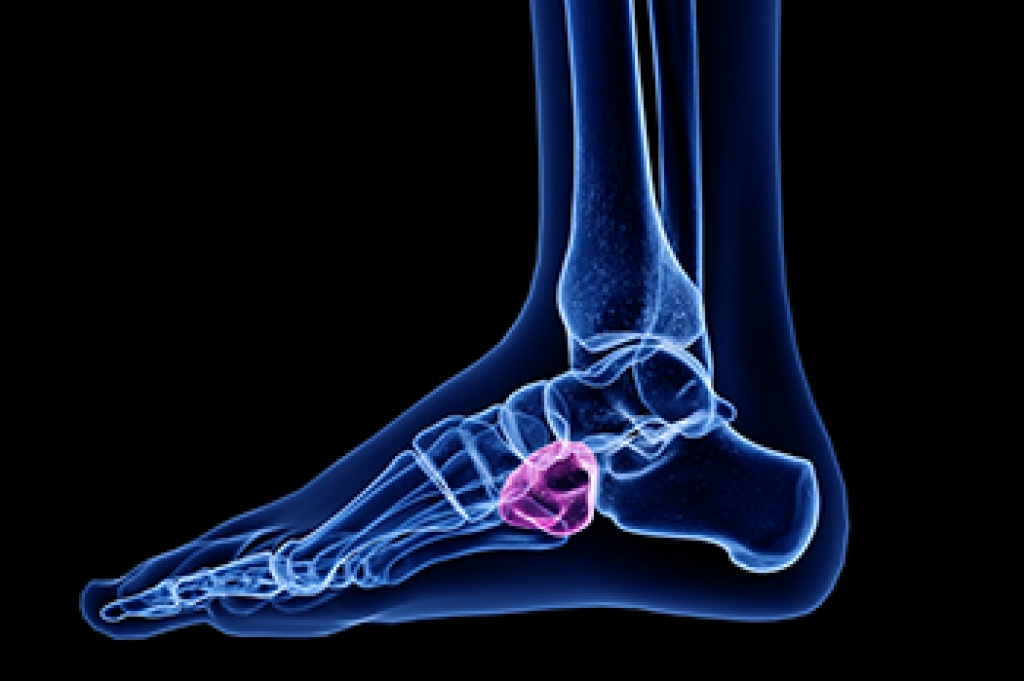
The cuboid bone is located in the foot, and cuboid syndrome can occur when the surrounding joints and ligaments become inflamed. The pain is often felt on the outside of the foot where the pinky toe is, and may increase when weight is put on it. It can happen as a result of the cuboid bone moving outward as the heel bone moves inward, often from a sprain. Some people experience cuboid syndrome by putting repetitive strain on the foot while participating in running and jumping activities. There may be existing medical conditions that can lead to developing this condition. These include having flat feet or being obese. Additionally, having gout, arthritis and certain bone conditions may lead to getting cuboid syndrome. Effective preventive methods can include stretching the foot adequately before beginning an exercise routine, and it can be beneficial to wear shoes that have ample support. Treatment can begin with elevating the affected foot, and specific stretches and exercises can be done that can help to minimize discomfort. If you have this type of pain in your foot, please consult with a podiatrist as quickly as possible who can properly diagnose and treat this ailment.

Cuboid syndrome, also known as cuboid subluxation, occurs when the joints and ligaments near the cuboid bone in the foot become torn. If you have cuboid syndrome, consult with Frederick Matthews, DPM from Innovative Foot and Ankle Care. Our doctor will assess your condition and provide you with quality foot and ankle treatment.

Cuboid syndrome is a common cause of lateral foot pain, which is pain on the outside of the foot. The condition may happen suddenly due to an ankle sprain, or it may develop slowly overtime from repetitive tension through the bone and surrounding structures.

Causes

The most common causes of cuboid syndrome include:

  • Injury – The most common cause of this ailment is an ankle sprain.
  • Repetitive Strain – Tension placed through the peroneus longus muscle from repetitive activities such as jumping and running may cause excessive traction on the bone causing it to sublux.
  • Altered Foot Biomechanics – Most people suffering from cuboid subluxation have flat feet.

Symptoms

A common symptom of cuboid syndrome is pain along the outside of the foot which can be felt in the ankle and toes. This pain may create walking difficulties and may cause those with the condition to walk with a limp.

Diagnosis

Diagnosis of cuboid syndrome is often difficult, and it is often misdiagnosed. X-rays, MRIs and CT scans often fail to properly show the cuboid subluxation. Although there isn’t a specific test used to diagnose cuboid syndrome, your podiatrist will usually check if pain is felt while pressing firmly on the cuboid bone of your foot.

Treatment

Just as the range of causes varies widely, so do treatments. Some more common treatments are ice therapy, rest, exercise, taping, and orthotics.

If you have any questions, please feel free to contact our office located in Plano, TX . We offer the newest diagnostic and treatment technologies for all your foot care needs.

Read more about Cuboid Syndrome

Foot Surgery for Hammertoe

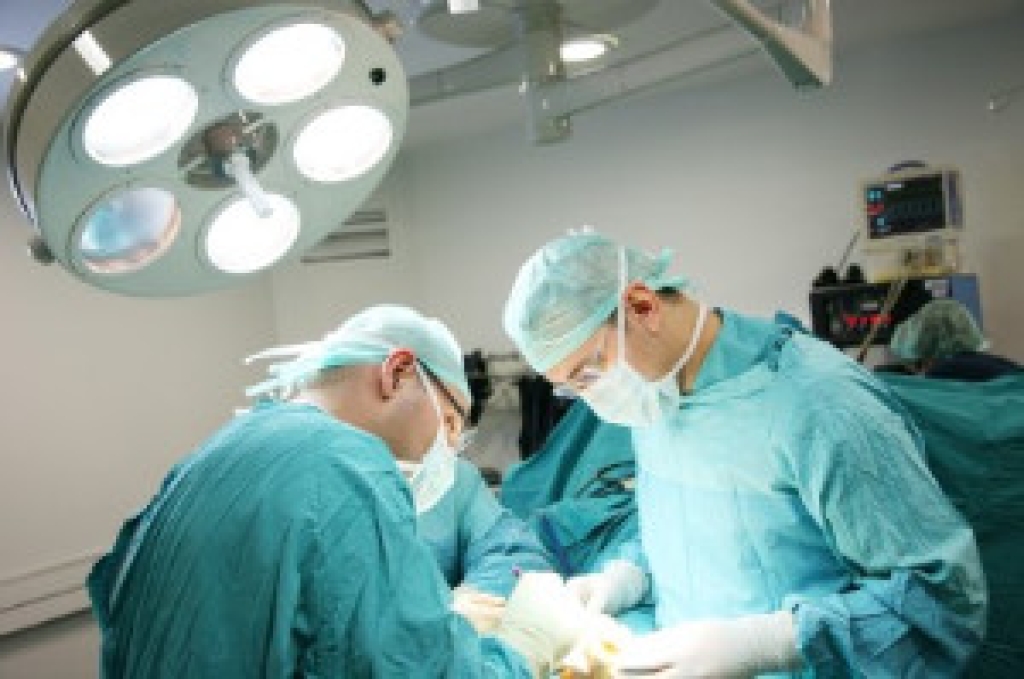
Foot surgery can sometimes be used as a last resort option to address serious problems in the feet that could not be solved by more conservative treatment plans. Hammertoe is one condition that might be able to be resolved by a surgical procedure. Hammertoe primarily affects the second, third, and fourth toes of the feet, causing the toe joints to become frozen in a flexed position. As a result, the toe sticks up at the middle point and appears like a hammer. Surgery might be a viable way to straighten the joint out, and both adults and children might potentially benefit from undergoing a surgical procedure. One type of procedure for hammertoe is known as a tendon transfer whereby tendons in the toes are transferred from the bottom of the toes to the top to help straighten out the joint. Another kind of procedure is called a joint resection. Through this surgery, the end of the bone at the affected joint is effectively taken out of place. Pins are then temporarily put in their place to help the joint straighten out to its natural shape. If you have a hammertoe, consult with a podiatrist to see what options you might have at your disposal to address the issue.

Foot surgery is sometimes necessary to treat a foot ailment. To learn more, contact Frederick Matthews, DPM of Innovative Foot and Ankle Care. Our doctor will assist you with all of your foot and ankle needs.

When Is Surgery Necessary?

Foot and ankle surgery is generally reserved for cases in which less invasive, conservative procedures have failed to alleviate the problem. Some of the cases in which surgery may be necessary include:

  • Removing foot deformities like bunions and bone spurs
  • Severe arthritis that has caused bone issues
  • Cosmetic reconstruction

What Types of Surgery Are There?

The type of surgery you receive will depend on the nature of the problem you have. Some of the possible surgeries include:

  • Bunionectomy for painful bunions
  • Surgical fusion for realignment of bones
  • Neuropathy decompression surgery to treat nerve damage

Benefits of Surgery

Although surgery is usually a last resort, it can provide more complete pain relief compared to non-surgical methods and may allow you to finally resume full activity.

Surgical techniques have also become increasingly sophisticated. Techniques like endoscopic surgery allow for smaller incisions and faster recovery times.

If you have any questions, please feel free to contact our office located in Plano, TX . We offer the newest diagnostic and treatment technologies for all your foot care needs.

Read more about Foot Surgery

Connect With Us