Types of Bunion Surgery

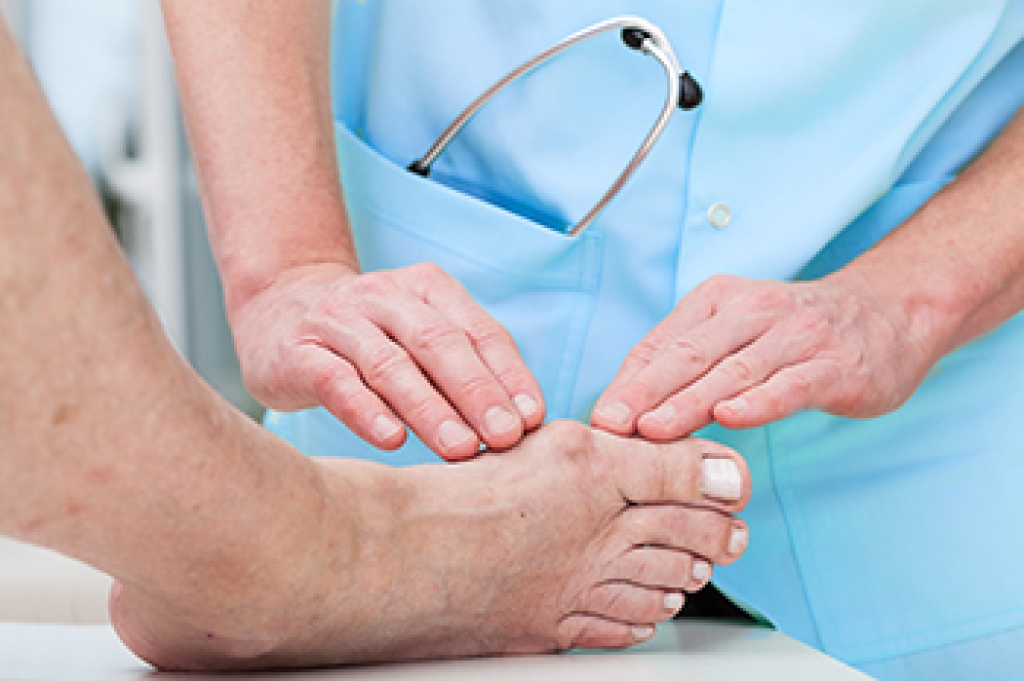
Bunions, those bony protrusions at the base of the big toe, can escalate from a minor inconvenience to a significant source of pain and discomfort over time. Fortunately, bunion surgery can help to alleviate pain and restore proper alignment of the big toe. Success rates hover around 85%, but perfect alignment and painlessness aren't guaranteed. Reduced joint flexibility, stiffness, and minor foot shortening are potential outcomes. Several surgery types exist, tailored to the severity of the bunion. Osteotomy, a common approach, involves cutting and realigning the bone. Soft tissue realignment may accompany this procedure. Arthrodesis fuses bones in the big toe joint, an option for severe deformities or advanced joint deterioration. Excision arthroplasty removes the bunion and a section of bone, creating a healing false joint. Following surgery, swelling is to be expected for several months. Elevation, crutches, and specially designed shoes will be essential during recovery, which may last approximately six months. If you have a bunion that is impeding you from performing your daily activities, it is suggested that you make an appointment with a podiatrist who can recommend the best treatment options for you.

If you are suffering from bunion pain, contact Frederick Matthews, DPM of Innovative Foot and Ankle Care. Our doctor can provide the care you need to keep you pain-free and on your feet.

What Is a Bunion?

Bunions are painful bony bumps that usually develop on the inside of the foot at the joint of the big toe. As the deformity increases over time, it may become painful to walk and wear shoes. Women are more likely to exacerbate existing bunions since they often wear tight, narrow shoes that shift their toes together. Bunion pain can be relieved by wearing wider shoes with enough room for the toes.

Causes

  • Genetics – some people inherit feet that are more prone to bunion development
  • Inflammatory Conditions - rheumatoid arthritis and polio may cause bunion development

Symptoms

  • Redness and inflammation
  • Pain and tenderness
  • Callus or corns on the bump
  • Restricted motion in the big toe

In order to diagnose your bunion, your podiatrist may ask about your medical history, symptoms, and general health. Your doctor might also order an x-ray to take a closer look at your feet. Nonsurgical treatment options include orthotics, padding, icing, changes in footwear, and medication. If nonsurgical treatments don’t alleviate your bunion pain, surgery may be necessary.

If you have any questions, please feel free to contact our office located in Plano, TX . We offer the newest diagnostic and treatment technologies for all your foot care needs.
Read more about Bunions

Causes and Effective Treatment of Plantar Warts

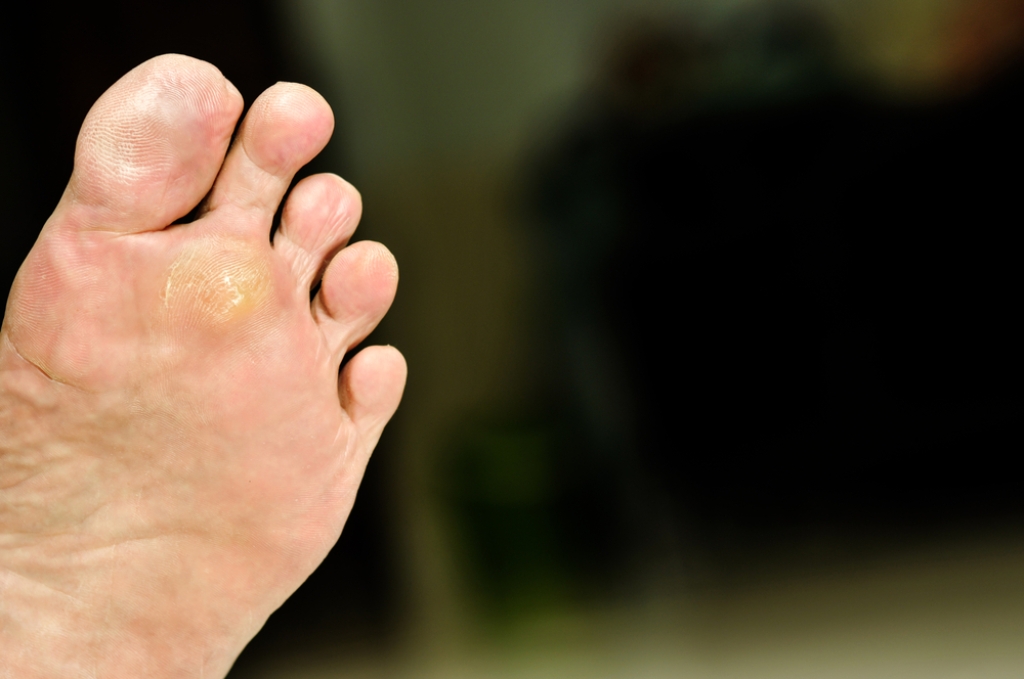
Plantar warts are uncomfortable growths on the soles of the feet and can create quite a nuisance. Caused by the human papillomavirus, which is abbreviated HPV, the virus enters the skin through tiny cuts or abrasions. The ideal environment for this to occur is warm and damp, such as swimming pools or communal showers. The pressure from walking or standing can push these warts inward, making them appear flat. While plantar warts can sometimes resolve on their own, treatment is often sought to alleviate pain and prevent their spread. Over-the-counter topical treatments containing salicylic acid may help to gradually dissolve the wart. Medical interventions such as freezing the wart, which is referred to as cryotherapy, or minor surgical removal may be recommended by a podiatrist. If you have developed a plantar wart, it is strongly suggested that you consult with this type of doctor who can guide you toward the treatment method that is right for you.

Plantar warts can be very uncomfortable. If you need your feet checked, contact Frederick Matthews, DPM from Innovative Foot and Ankle Care. Our doctor will assist you with all of your foot and ankle needs.

About Plantar Warts

Plantar warts are the result of HPV, or human papillomavirus, getting into open wounds on the feet. They are mostly found on the heels or balls of the feet.

While plantar warts are generally harmless, those experiencing excessive pain or those suffering from diabetes or a compromised immune system require immediate medical care. Plantar warts are easily diagnosed, usually through scraping off a bit of rough skin or by getting a biopsy.

Symptoms

  • Lesions on the bottom of your feet, usually rough and grainy
  • Hard or thick callused spots
  • Wart seeds, which are small clotted blood vessels that look like little black spots
  • Pain, discomfort, or tenderness of your feet when walking or standing

Treatment

  • Freezing
  • Electric tool removal
  • Laser Treatment
  • Topical Creams (prescription only)
  • Over-the-counter medications

To help prevent developing plantar warts, avoid walking barefoot over abrasive surfaces that can cause cuts or wounds for HPV to get into. Avoiding direct contact with other warts, as well as not picking or rubbing existing warts, can help prevent the further spread of plantar warts. However, if you think you have developed plantar warts, speak to your podiatrist. He or she can diagnose the warts on your feet and recommend the appropriate treatment options.

If you have any questions, please feel free to contact our office located in Plano, TX . We offer the newest diagnostic and treatment technologies for all your foot care needs.
Read more about Plantar Warts

All About Broken Toes

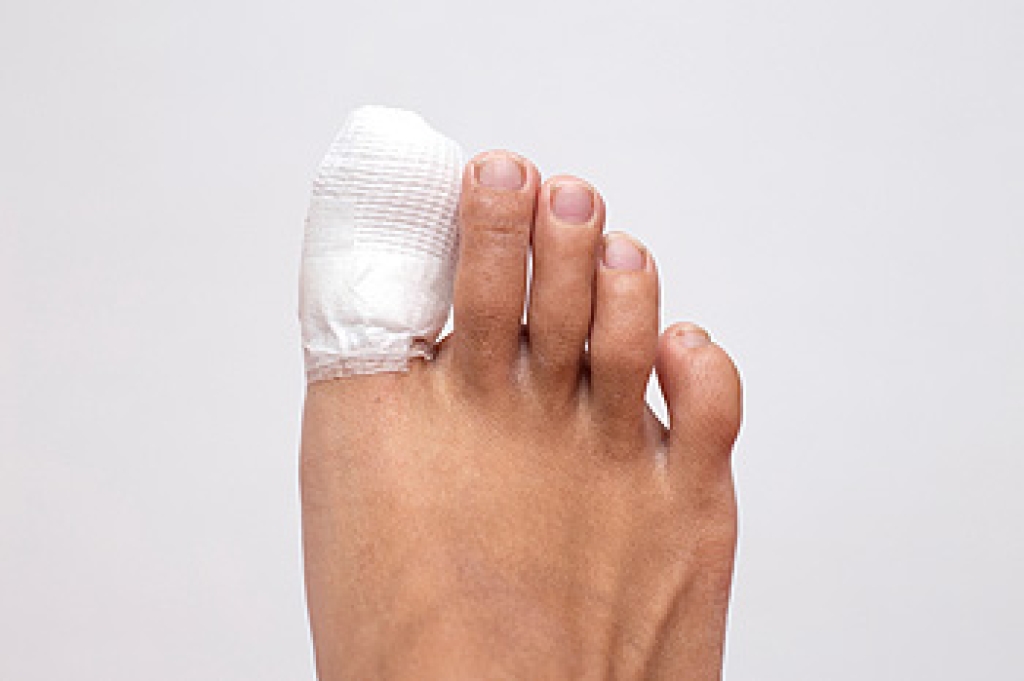
Recognizing and treating a broken toe is critical in preventing potential mobility and chronic pain issues. Severe pain following stubbing a toe or a heavy object falling on it may indicate a break or sprain. Symptoms of a broken toe can include throbbing pain at the point where the bone has fractured, swelling, bruising, and difficulty walking. There may also be a popping sound when a toe has fractured. A bad break can cause a dislocation of the toe, causing it to look deformed. For milder breaks, the buddy-taping method can stabilize the toe, while serious fractures may require surgery or a walking cast. Recovery may take several weeks to months, with gradual improvement in pain indicating healing. Wearing comfortable footwear and easing back into activities will help with recovery. If you think you have broken your toe, it is suggested that you make an appointment with a podiatrist for a definitive diagnosis and appropriate treatment.

Broken toes may cause a lot of pain and should be treated as soon as possible. If you have any concerns about your feet, contact Frederick Matthews, DPM from Innovative Foot and Ankle Care. Our doctor will treat your foot and ankle needs.

What Is a Broken Toe?

A broken toe occurs when one or more of the toe bones of the foot are broken after an injury. Injuries such as stubbing your toe or dropping a heavy object on it may cause a toe fracture.

Symptoms of a Broken Toe

  • Swelling
  • Pain (with/without wearing shoes)
  • Stiffness
  • Nail Injury

Although the injured toe should be monitored daily, it is especially important to have a podiatrist look at your toe if you have severe symptoms. Some of these symptoms include worsening or new pain that is not relieved with medication, sores, redness, or open wounds near the toe.

If you have any questions please feel free to contact our office located in Plano, TX . We offer the newest diagnostic tools and technology to treat your foot and ankle needs.

Read more about What to Know About a Broken Toe

Exercise Is a Fall Prevention Method

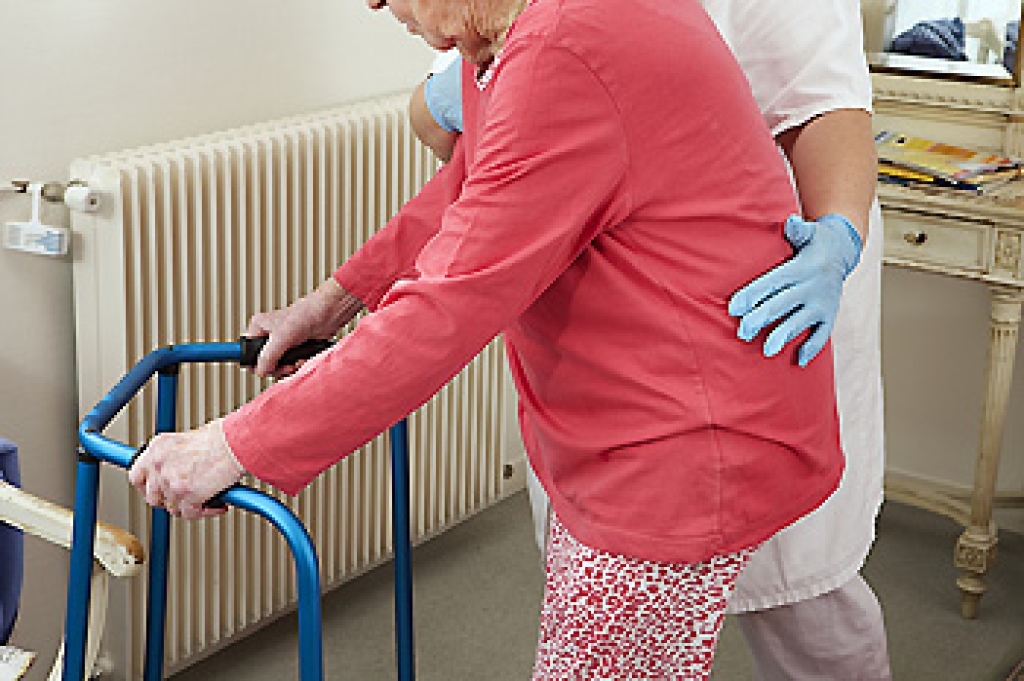
People who fall or who have a fear of falling may benefit from having regular physical examinations done. This can help monitor existing medicines, as dosages may need to be adjusted as the body changes. It can also help to have regular eye examinations performed that can manage eyeglass prescriptions. Many elderly patients like to exercise and can feel their bodies becoming stronger. Exercising is an important fall prevention technique, and it may also help to increase balance. Many seniors enjoy practicing Tai Chi, which can make their legs stronger. Vitamin D may be added to the diet which may help improve bone, muscle, and nerve health. Additionally, there are methods that can be implemented in the home that can make it safer. These can include installing grab bars in the toilet and shower area and improving lighting in the living area. Falling can impact the feet, and can cause havoc in completing daily activities. If you would like to learn more about fall prevention techniques, it is suggested that you confer with a podiatrist who can provide you with useful information.

Preventing falls among the elderly is very important. If you are older and have fallen or fear that you are prone to falling, consult with Frederick Matthews, DPM from Innovative Foot and Ankle Care. Our doctor will assess your condition and provide you with quality advice and care.

Every 11 seconds, an elderly American is being treated in an emergency room for a fall related injury. Falls are the leading cause of head and hip injuries for those 65 and older. Due to decreases in strength, balance, senses, and lack of awareness, elderly persons are very susceptible to falling. Thankfully, there are a number of things older persons can do to prevent falls.

How to Prevent Falls

Some effective methods that older persons can do to prevent falls include:

  • Enrolling in strength and balance exercise program to increase balance and strength
  • Periodically having your sight and hearing checked
  • Discuss any medications you have with a doctor to see if it increases the risk of falling
  • Clearing the house of falling hazards and installing devices like grab bars and railings
  • Utilizing a walker or cane
  • Wearing shoes that provide good support and cushioning
  • Talking to family members about falling and increasing awareness

Falling can be a traumatic and embarrassing experience for elderly persons; this can make them less willing to leave the house, and less willing to talk to someone about their fears of falling. Doing such things, however, will increase the likelihood of tripping or losing one’s balance. Knowing the causes of falling and how to prevent them is the best way to mitigate the risk of serious injury.  

If you have any questions, please feel free to contact our office located in Plano, TX . We offer the newest diagnostic and treatment technologies for all your foot care needs.

Read more about Falls Prevention

Are You Suffering From Ingrown Toenails?

If left untreated, an ingrown toenail can lead to more serious concerns, such as an infection. Knowing proper nail care can help in the prevention of an ingrown toenail. Give us a call, and get treated!

Connect With Us