
Have you noticed a bony protrusion on the side of your big toe? If so, you may have developed the foot condition known as a bunion. Don't let bunions interfere with your daily activities.
Have you noticed a bony protrusion on the side of your big toe? If so, you may have developed the foot condition known as a bunion. Don't let bunions interfere with your daily activities.
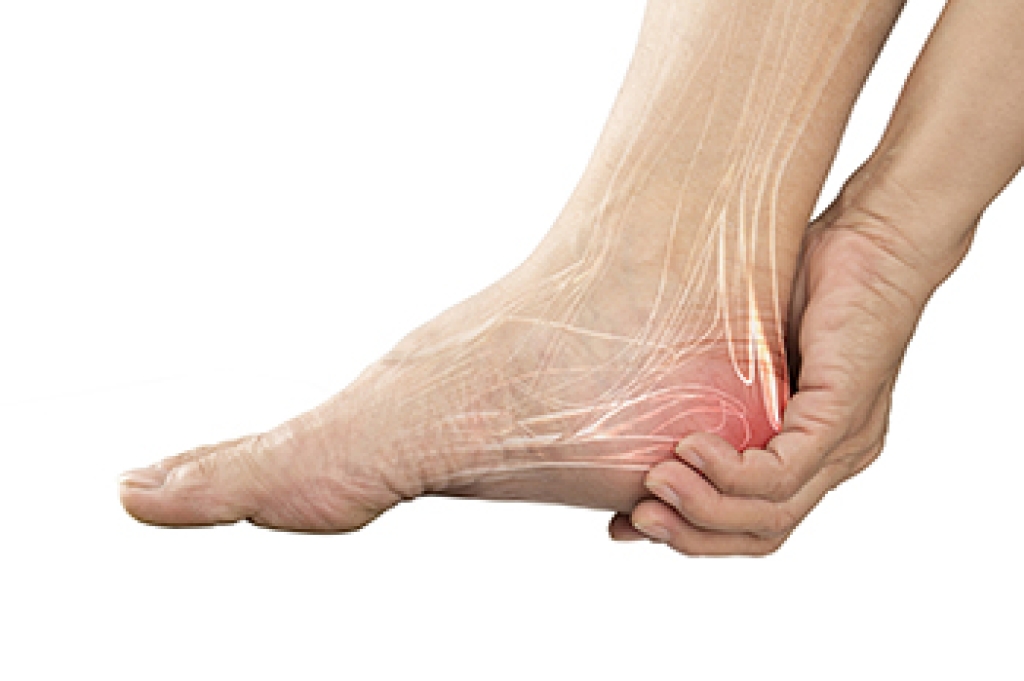
Heel pain is a frequent foot complaint that can interfere with walking, standing, and daily comfort. It often develops when the tissues that support the heel become irritated or inflamed. Conditions that contribute to heel pain include plantar fasciitis, Achilles tendonitis, bursitis, and heel spurs. Each condition affects different structures of the foot, but all can lead to discomfort that worsens with activity or prolonged standing. Understanding the cause of heel pain is important for proper treatment and long-term relief.
Plantar fasciitis is one of the most common causes of heel pain and occurs when the thick band of tissue along the bottom of the foot becomes inflamed. This condition often causes sharp pain with the first steps in the morning or after periods of rest. Achilles tendonitis affects the tendon that connects the calf muscles to the heel. It may cause pain and stiffness at the back of the heel, especially during movement. Bursitis involves inflammation of fluid filled sacs that cushion the heel, leading to tenderness and swelling. Heel spurs are bony growths that can develop due to strain, often associated with plantar fasciitis, and may cause persistent discomfort.
Risk factors for heel pain vary by condition but often include overuse, improper footwear, and biomechanical issues. Individuals who stand for long periods, participate in high-impact activities, or wear shoes with poor arch support may be more likely to develop heel pain. Tight calf muscles, obesity, and foot structure abnormalities can also increase strain on the heel.
Treatment for heel pain depends on the underlying cause and severity of symptoms. Rest, wearing supportive footwear, and stretching exercises can help relieve pressure and improve function. Custom orthotics may also bring relief. Early evaluation by a podiatrist can identify the specific condition and guide effective treatment. If you have heel pain, it is strongly suggested that you consult a podiatrist who can accurately diagnose and treat various causes.
Many people suffer from bouts of heel pain. For more information, contact Frederick Matthews, DPM of Innovative Foot and Ankle Care. Our doctor can provide the care you need to keep you pain-free and on your feet.
Causes of Heel Pain
Heel pain is often associated with plantar fasciitis. The plantar fascia is a band of tissues that extends along the bottom of the foot. A rip or tear in this ligament can cause inflammation of the tissue.
Achilles tendonitis is another cause of heel pain. Inflammation of the Achilles tendon will cause pain from fractures and muscle tearing. Lack of flexibility is also another symptom.
Heel spurs are another cause of pain. When the tissues of the plantar fascia undergo a great deal of stress, it can lead to ligament separation from the heel bone, causing heel spurs.
Why Might Heel Pain Occur?
Treatments
Heel pain should be treated as soon as possible for immediate results. Keeping your feet in a stress-free environment will help. If you suffer from Achilles tendonitis or plantar fasciitis, applying ice will reduce the swelling. Stretching before an exercise like running will help the muscles. Using all these tips will help make heel pain a condition of the past.
If you have any questions, please feel free to contact our office located in Plano, TX . We offer the newest diagnostic and treatment technologies for all your foot care needs.

Exercise plays an important role in protecting older adults from falls and helping them stay active and independent. Regular movement improves muscle strength, balance, and flexibility, making it easier to walk with confidence and react to uneven ground. Many older adults benefit from a routine that combines endurance activities, strength training, and balance exercises. Walking, swimming, and cycling help build endurance. Light resistance exercises improve muscle strength. Balance activities, like tai chi and standing on one foot, help reduce the risk of falling. Stretching also keeps muscles and joints moving comfortably, making everyday activities easier and safer.
Good foot health is another important part of falls protection. Painful feet, numbness, poor circulation, and foot deformities can affect balance and make walking less stable. Wearing shoes that fit well and provide proper support can improve stability and reduce slipping. Shoes should match the activity being performed and provide enough room for the toes. A podiatrist examines the feet, checks for changes in sensation, and evaluates how patients walk. This examination helps identify problems that increase the risk of falling. A podiatrist also recommends custom orthotics when appropriate to improve balance and relieve pressure on painful areas. Regular foot exams help detect changes before they become more serious.
Exercise is most effective when it becomes part of a regular routine. Adults age 65 and older benefit from at least 150 minutes of moderate physical activity each week. Strength exercises should be completed at least twice each week. Balance and flexibility exercises should also be performed regularly. Staying active supports better mobility, greater confidence, and a lower risk of falls. Healthy feet make exercise safer and more comfortable, allowing people to continue enjoying daily activities. Early attention to foot problems helps prevent mobility challenges that could increase fall risk. If you have injured your foot or ankle while falling, it is suggested that you schedule an appointment with a podiatrist for diagnosis and appropriate treatment.
Preventing falls among the elderly is very important. If you are older and have fallen or fear that you are prone to falling, consult with Frederick Matthews, DPM from Innovative Foot and Ankle Care. Our doctor will assess your condition and provide you with quality advice and care.
Every 11 seconds, an elderly American is being treated in an emergency room for a fall related injury. Falls are the leading cause of head and hip injuries for those 65 and older. Due to decreases in strength, balance, senses, and lack of awareness, elderly persons are very susceptible to falling. Thankfully, there are a number of things older persons can do to prevent falls.
How to Prevent Falls
Some effective methods that older persons can do to prevent falls include:
Falling can be a traumatic and embarrassing experience for elderly persons; this can make them less willing to leave the house, and less willing to talk to someone about their fears of falling. Doing such things, however, will increase the likelihood of tripping or losing one’s balance. Knowing the causes of falling and how to prevent them is the best way to mitigate the risk of serious injury.
If you have any questions, please feel free to contact our office located in Plano, TX . We offer the newest diagnostic and treatment technologies for all your foot care needs.

Diabetes can affect the health of your feet in ways that are easy to miss. High blood sugar can damage nerves, reducing the ability to feel pain, heat, or injuries. It can also reduce blood flow, making cuts, blisters, and other wounds heal more slowly. Even a small problem can become serious when it goes unnoticed. A podiatrist can check for changes that patients might not see or feel. Regular foot exams help find concerns before they become harder to treat. A podiatrist also checks for changes in skin, nails, and circulation. These visits play an important role in protecting foot health and lowering the risk of serious complications.
Good diabetic foot care starts with regular attention to your feet. A podiatrist examines the skin for sores, cracks, and signs of infection. They also look for corns, calluses, and ingrown toenails that can create pressure and increase the risk of wounds. During an exam, a podiatrist tests feeling in the feet to check for nerve damage. They also evaluate blood flow, because healthy circulation supports healing. Patients benefit from wearing clean socks and shoes that fit well. Shoes that lack proper support or fit too tightly can increase pressure and raise the risk of injury while walking.
Routine visits with a podiatrist allow small problems to be treated before they become serious. Professional nail care helps lower the chance of cuts or broken skin. A podiatrist can also remove thick calluses safely and recommend custom orthotics that reduce pressure on sensitive areas. They explain warning signs that deserve prompt medical attention. Included are redness, swelling, or drainage from a wound. Regular examinations also help track changes in foot health from year to year. If you have foot problems related to diabetes, it is strongly suggested that you are under the care of a podiatrist who can help you to manage this serious condition.
Diabetic foot care is important in preventing foot ailments such as ulcers. If you are suffering from diabetes or have any other concerns about your feet, contact Frederick Matthews, DPM from Innovative Foot and Ankle Care. Our doctor can provide the care you need to keep you pain-free and on your feet.
Diabetic Foot Care
Diabetes affects millions of people every year. The condition can damage blood vessels in many parts of the body, especially the feet. Because of this, taking care of your feet is essential if you have diabetes, and having a podiatrist help monitor your foot health is highly recommended.
The Importance of Caring for Your Feet
Patients with diabetes should have their doctor monitor their blood levels, as blood sugar levels play such a huge role in diabetic care. Monitoring these levels on a regular basis is highly advised.
It is always best to inform your healthcare professional of any concerns you may have regarding your feet, especially for diabetic patients. Early treatment and routine foot examinations are keys to maintaining proper health, especially because severe complications can arise if proper treatment is not applied.
If you have any questions, please feel free to contact our office located in Plano, TX . We offer the newest diagnostic and treatment technologies for all your foot care needs.
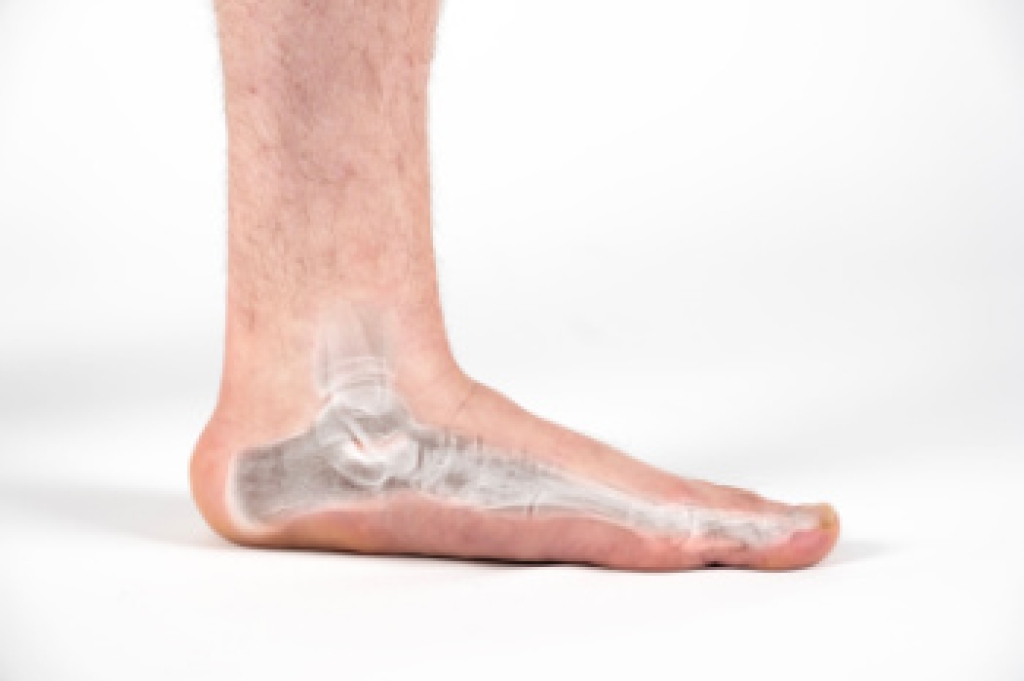
Flat feet, also called fallen arches, occur when the arch on the inside of the foot is low or has collapsed, allowing more of the foot to touch the ground. Some people are born with flat feet, while others develop them over time because of aging, injury, or changes affecting the tendons that support the arch. Not everyone with flat feet experiences discomfort, but some develop pain that affects walking and other daily activities. As the arch changes, additional stress may be placed on the feet, ankles, and lower legs. This change in foot mechanics can also affect balance and overall movement. A professional evaluation is important to determine whether flat feet are contributing to pain or limiting normal function. Early podiatry care may help identify related problems before they become more severe.
Symptoms of flat feet vary from person to person. Many individuals experience foot pain, ankle pain, or swelling along the inside of the foot. Others notice fatigue in the feet after standing or walking for extended periods. Some people develop discomfort that spreads into the knees, hips, or lower back because changes in foot alignment affect the way the body moves. In more advanced cases, walking may become difficult because of ongoing pain or reduced stability. Persistent symptoms should not be ignored because untreated problems may continue to affect mobility and quality of life. Early evaluation can help determine the cause of discomfort and guide appropriate treatment.
A podiatrist specializes in diagnosing and treating flat feet and other conditions that affect foot function. During an examination, the podiatrist evaluates the structure of the feet, walking mechanics, and any symptoms that interfere with movement. Treatment is tailored to each patient's needs and focuses on improving foot function, reducing discomfort, and supporting better mobility. Early podiatry care may also help prevent additional strain on the feet and ankles. If you are experiencing foot pain, ankle pain, or difficulty walking because of flat feet, it is suggested that you consult a podiatrist for an evaluation and appropriate treatment options.
Flatfoot is a condition many people suffer from. If you have flat feet, contact Frederick Matthews, DPM from Innovative Foot and Ankle Care. Our doctor will treat your foot and ankle needs.
What Are Flat Feet?
Flatfoot is a condition in which the arch of the foot is depressed and the sole of the foot is almost completely in contact with the ground. About 20-30% of the population generally has flat feet because their arches never formed during growth.
Conditions & Problems:
Having flat feet makes it difficult to run or walk because of the stress placed on the ankles.
Alignment – The general alignment of your legs can be disrupted, because the ankles move inward which can cause major discomfort.
Knees – If you have complications with your knees, flat feet can be a contributor to arthritis in that area.
Symptoms
Treatment
If you are experiencing pain and stress on the foot you may weaken the posterior tibial tendon, which runs around the inside of the ankle.
If you have any questions, please feel free to contact our office located in Plano, TX . We offer the newest diagnostic and treatment technologies for all your foot care needs.
Connect With Us
