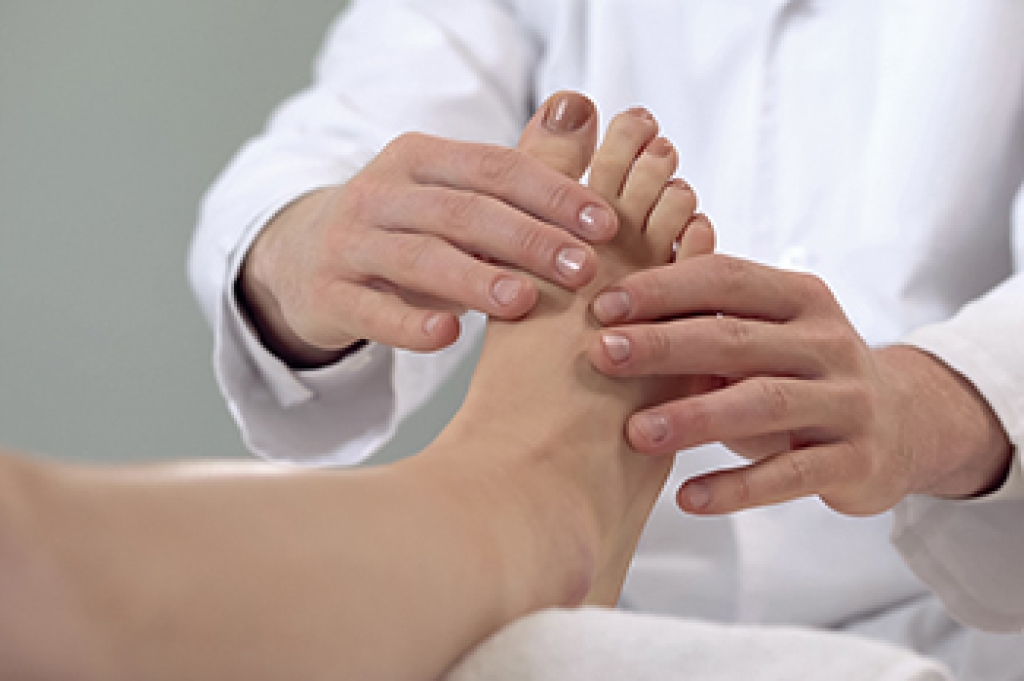
Facts About Rheumatoid Arthritis

Rheumatoid arthritis (RA) is a progressive auto-immune disease that causes inflammation, swelling, and pain in the joints of the foot, ankle, and toes. Symptoms include stiffness in the joints, especially when first waking up or after sitting for long periods. People with rheumatoid arthritis typically experience flare ups of pain, when their symptoms worsen. These may be caused by stress, overactivity, or changes in medication. With rheumatoid arthritis, the body’s immune system mistakenly attacks the synovium, which is a membrane that lines the joints. As a result, the synovial cells grow and the membrane thickens, in turn causing the pain and inflammation. Untreated RA can cause damage to the cartilage, tissue that keeps the bones from touching each other. People at high risk of developing rheumatoid arthritis include those who are over 60, female, obese, and who smoke. Genetics also can be a risk factor. Blood tests and imaging tests can help determine whether you have rheumatoid arthritis. For testing, diagnosis, and treatment options, please consult a podiatrist.

Because RA affects more than just your joints, including the joints in your feet and ankles, it is important to seek early diagnosis from your podiatrist if you feel like the pain in your feet might be caused by RA. For more information, contact Frederick Matthews, DPM of Innovative Foot and Ankle Care. Our doctor will assist you with all of your podiatric concerns.

What Is Rheumatoid Arthritis?

Rheumatoid Arthritis (RA) is an autoimmune disorder in which the body’s own immune system attacks the membranes surrounding the joints. Inflammation of the lining and eventually the destruction of the joint’s cartilage and bone occur, causing severe pain and immobility.

Rheumatoid Arthritis of the Feet

Although RA usually attacks multiple bones and joints throughout the entire body, almost 90 percent of cases result in pain in the foot or ankle area.

Symptoms

  • Swelling and pain in the feet
  • Stiffness in the feet
  • Pain on the ball or sole of feet
  • Joint shift and deformation

Diagnosis

Quick diagnosis of RA in the feet is important so that the podiatrist can treat the area effectively. Your doctor will ask you about your medical history, occupation, and lifestyle to determine the origin of the condition. Rheumatoid Factor tests help to determine if someone is affected by the disease.

If you have any questions, please feel free to contact our office located in Plano, TX . We offer the newest diagnostic and treatment technologies for all your foot care needs.
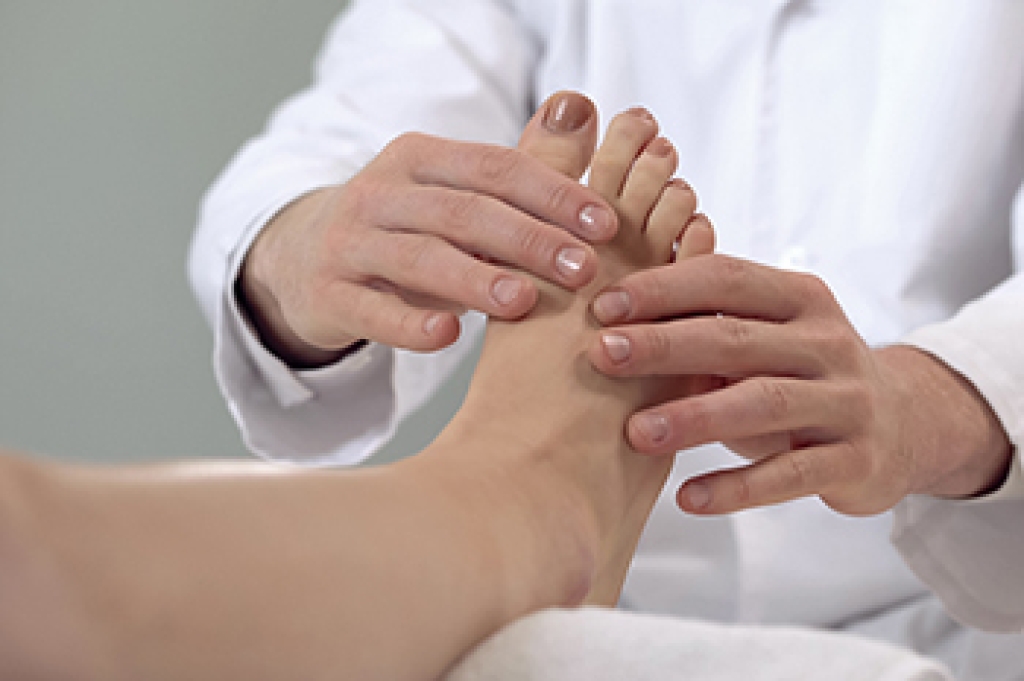
Read more about Rheumatoid Arthritis in the Feet

Certain Sporting Activities May Trigger Sesamoiditis

There are specific bones in the body that are unique because they do not use joints to connect to the other bones. These bones are referred to as sesamoid bones, and tendons are used to connect these bones to other bones in the body. Additionally, they can be found inside muscles. The sesamoid bones help to support the body, and sesamoiditis can happen when the adjoining tendons become inflamed and irritated. It is a common injury among ballet dancers, and this is a result of the style of dancing they pursue. Sesamoiditis may also affect baseball catchers and runners, and this can be a result of the pressure that is placed on the feet. People who are afflicted with this condition may find it difficult to straighten or bend the big toe, and it may be accompanied by swelling and pain on the sole. Treatment often starts with stopping the activity that caused the condition, and it can be beneficial to wear shoes that fit correctly. If you feel you may have sesamoiditis, it is urgent that you contact a podiatrist who can help you to manage this ailment.

Sesamoiditis is an unpleasant foot condition characterized by pain in the balls of the feet. If you think you’re struggling with sesamoiditis, contact Frederick Matthews, DPM of Innovative Foot and Ankle Care. Our doctor will treat your condition thoroughly and effectively.

Sesamoiditis

Sesamoiditis is a condition of the foot that affects the ball of the foot. It is more common in younger people than it is in older people. It can also occur with people who have begun a new exercise program, since their bodies are adjusting to the new physical regimen. Pain may also be caused by the inflammation of tendons surrounding the bones. It is important to seek treatment in its early stages because if you ignore the pain, this condition can lead to more serious problems such as severe irritation and bone fractures.

Causes of Sesamoiditis

  • Sudden increase in activity
  • Increase in physically strenuous movement without a proper warm up or build up
  • Foot structure: those who have smaller, bonier feet or those with a high arch may be more susceptible

Treatment for sesamoiditis is non-invasive and simple. Doctors may recommend a strict rest period where the patient forgoes most physical activity. This will help give the patient time to heal their feet through limited activity. For serious cases, it is best to speak with your doctor to determine a treatment option that will help your specific needs.

If you have any questions, please feel free to contact our office located in Plano, TX . We offer the newest diagnostic and treatment technologies for all your foot care needs.
Read more about Sesamoiditis

Three Classes of Hammertoes

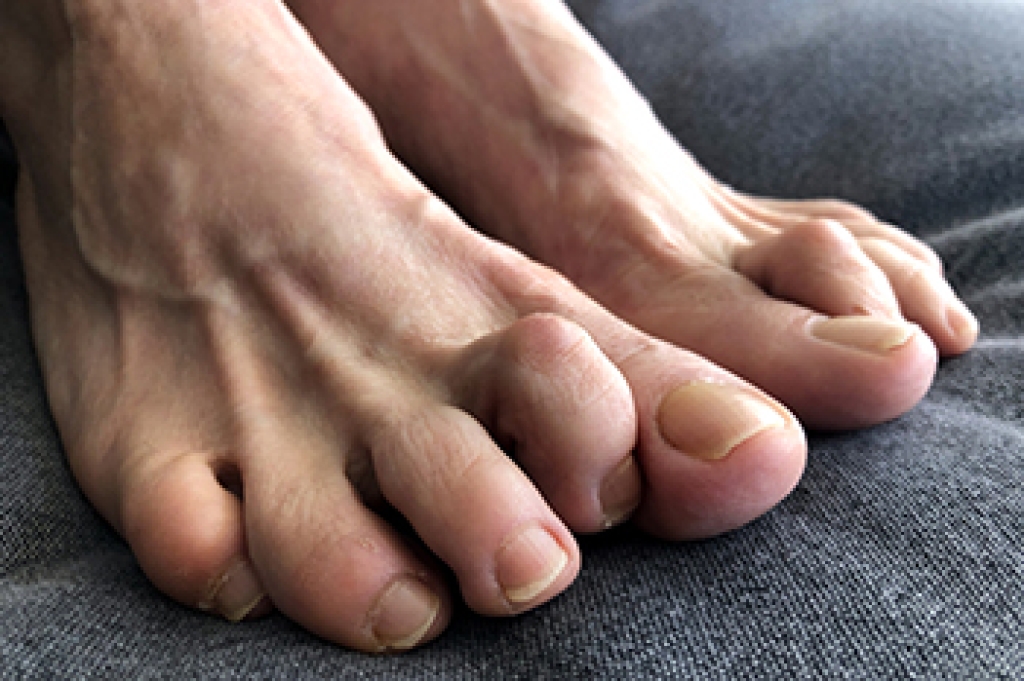
The feet are often taken for granted as we go through our day completing various activities. One ailment, known as hammertoe, gradually develops from genetic factors or from wearing shoes without enough room for the toes to move freely. Hammertoe is a deformity that affects the second, third, and fourth toes. The joints of the toes bend downward and resemble a hammer. Research has shown there are three classifications of hammertoe. Rigid hammertoes are severe and occur when the toes can not move in any direction. Flexible hammertoes are when the affected toes can only move forward and backward. Semi-rigid hammertoes mean the toes become stiff. Hammertoe may cause a decrease in range of motion and completing daily activities may be compromised. If you have any signs of hammertoe, contact a podiatrist as quickly as possible who can provide you with the correct treatment options.

Hammertoe

Hammertoes can be a painful condition to live with. For more information, contact Frederick Matthews, DPM from Innovative Foot and Ankle Care. Our doctor will answer any of your foot- and ankle-related questions.

Hammertoe is a foot deformity that affects the joints of the second, third, fourth, or fifth toes of your feet. It is a painful foot condition in which these toes curl and arch up, which can often lead to pain when wearing footwear.

Symptoms

  • Pain in the affected toes
  • Development of corns or calluses due to friction
  • Inflammation
  • Redness
  • Contracture of the toes

Causes

Genetics – People who are genetically predisposed to hammertoe are often more susceptible

Arthritis – Because arthritis affects the joints in your toes, further deformities stemming from arthritis can occur

Trauma – Direct trauma to the toes could potentially lead to hammertoe

Ill-fitting shoes – Undue pressure on the front of the toes from ill-fitting shoes can potentially lead to the development of hammertoe

Treatment

Orthotics – Custom made inserts can be used to help relieve pressure placed on the toes and therefore relieve some of the pain associated with it

Medications – Oral medications such as anti-inflammatories or NSAIDs could be used to treat the pain and inflammation hammertoes causes. Injections of corticosteroids are also sometimes used

Surgery – In more severe cases where the hammertoes have become more rigid, foot surgery is a potential option

If you have any questions, please feel free to contact our office located in Plano, TX . We offer the newest diagnostic and treatment technologies for all your foot care needs.

Read more about What Are Hammertoes?

Recognizing and Treating Plantar Warts

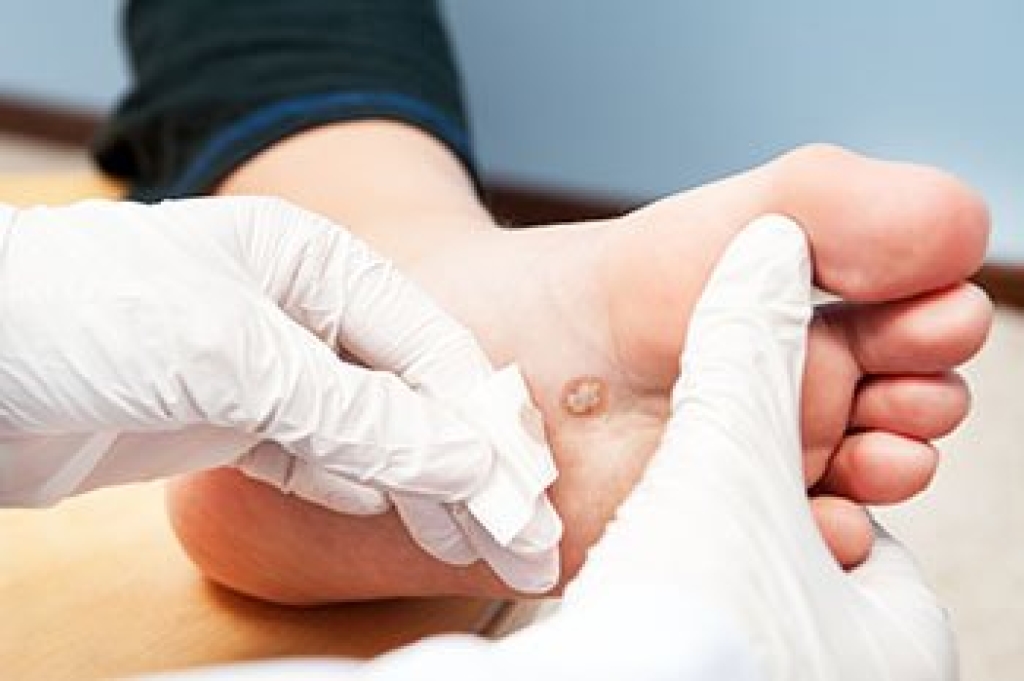
Viral infections caused by the human papillomavirus (HPV) that enter the skin of the feet through cuts or breaks can lead to the development of a plantar wart. These are thickened, rough growths of a lighter color than skin that are typically flat, and may have a ridged pattern. They usually develop in high pressure areas, such as the heel and ball of the foot. A small, clotted blood vessel can sometimes be visible, looking like a dark dot in the center of the wart. Sometimes plantar warts grow individually, or they may form in clusters, called mosaics. Because plantar warts grow on the bottom of the feet, they can be painful as the weight of the body bears down on them while standing or walking. Plantar warts are highly contagious, with the HPV spreading through direct contact with another person’s skin, or by sharing personal hygiene items, footwear, or towels that are infected with the virus. Plantar warts are hearty, making them difficult to treat, and have a high rate of recurrence if not completely eradicated. Therefore, plantar warts usually require professional care from a podiatrist who can use a variety of effective treatments to quickly and permanently treat them.

Plantar warts can be very uncomfortable. If you need your feet checked, contact Frederick Matthews, DPM from Innovative Foot and Ankle Care. Our doctor will assist you with all of your foot and ankle needs.

About Plantar Warts

Plantar warts are the result of HPV, or human papillomavirus, getting into open wounds on the feet. They are mostly found on the heels or balls of the feet.

While plantar warts are generally harmless, those experiencing excessive pain or those suffering from diabetes or a compromised immune system require immediate medical care. Plantar warts are easily diagnosed, usually through scraping off a bit of rough skin or by getting a biopsy.

Symptoms

  • Lesions on the bottom of your feet, usually rough and grainy
  • Hard or thick callused spots
  • Wart seeds, which are small clotted blood vessels that look like little black spots
  • Pain, discomfort, or tenderness of your feet when walking or standing

Treatment

  • Freezing
  • Electric tool removal
  • Laser Treatment
  • Topical Creams (prescription only)
  • Over-the-counter medications

To help prevent developing plantar warts, avoid walking barefoot over abrasive surfaces that can cause cuts or wounds for HPV to get into. Avoiding direct contact with other warts, as well as not picking or rubbing existing warts, can help prevent the further spread of plantar warts. However, if you think you have developed plantar warts, speak to your podiatrist. He or she can diagnose the warts on your feet and recommend the appropriate treatment options.

If you have any questions, please feel free to contact our office located in Plano, TX . We offer the newest diagnostic and treatment technologies for all your foot care needs.

Read more about What Are Plantar Warts?

Let the Expert Treat Your Ingrown Toenails

Ingrown toenails can be painful and can make wearing shoes or walking uncomfortable. Seek professional help if you believe you've developed an ingrown toenail and be treated safely. 

Connect With Us