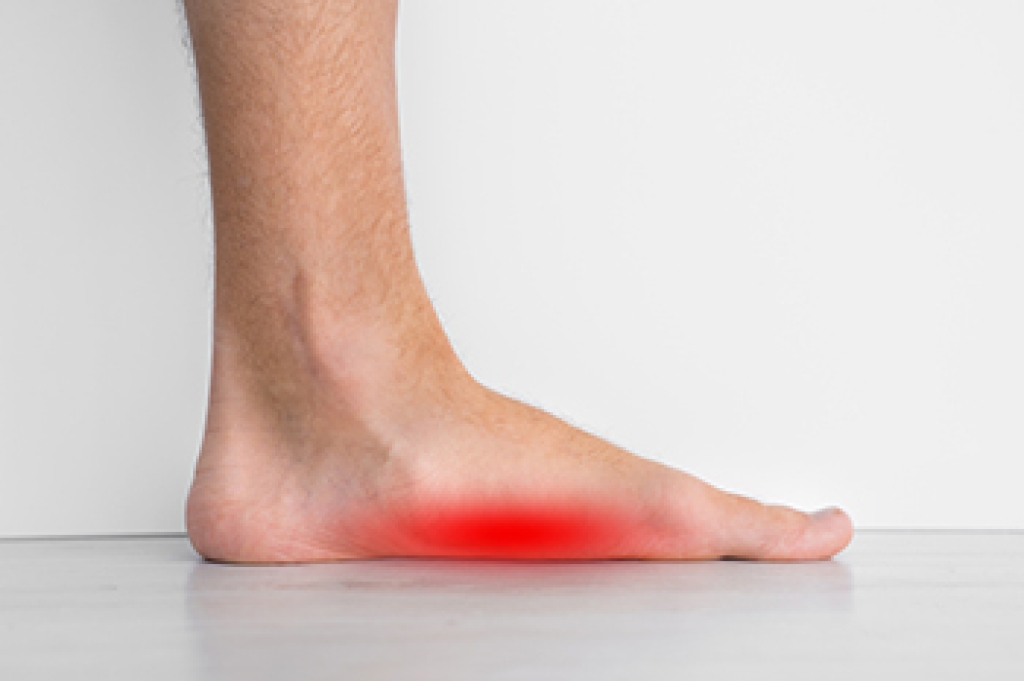
Causes and Relief Solutions For Flat Feet Pain

Flat feet, also known as fallen arches, can be a source of persistent discomfort and pain for many individuals. This common condition occurs when the arches of the feet collapse, causing the entire sole to make contact with the ground. Understanding the root causes of flat feet pain is the first step toward finding effective solutions. One primary cause of flat feet pain is genetics. If you have a family history of flat feet, you are more likely to develop them. Additionally, injuries or overuse can contribute to the development of flat feet over time. Obesity and pregnancy can also put excess strain on the arches, exacerbating the condition. The good news is that flat feet pain can often be managed and relieved. Wearing footwear with proper arch support can significantly reduce discomfort. Stretching and strengthening exercises may help improve foot and leg muscle function, offering relief from pain associated with flat feet. In more severe cases, medical intervention or surgery may be considered. If you have flat feet, it is suggested that you consult a podiatrist who may prescribe custom orthotic inserts, which can provide tailored support.

Flatfoot is a condition many people suffer from. If you have flat feet, contact Frederick Matthews, DPM from Innovative Foot and Ankle Care. Our doctor will treat your foot and ankle needs.

What Are Flat Feet?

Flatfoot is a condition in which the arch of the foot is depressed and the sole of the foot is almost completely in contact with the ground. About 20-30% of the population generally has flat feet because their arches never formed during growth.

Conditions & Problems:

Having flat feet makes it difficult to run or walk because of the stress placed on the ankles.

Alignment – The general alignment of your legs can be disrupted, because the ankles move inward which can cause major discomfort.

Knees – If you have complications with your knees, flat feet can be a contributor to arthritis in that area.  

Symptoms

  • Pain around the heel or arch area
  • Trouble standing on the tip toe
  • Swelling around the inside of the ankle
  • Flat look to one or both feet
  • Having your shoes feel uneven when worn

Treatment

If you are experiencing pain and stress on the foot you may weaken the posterior tibial tendon, which runs around the inside of the ankle. 

If you have any questions, please feel free to contact our office located in Plano, TX . We offer the newest diagnostic and treatment technologies for all your foot care needs.
Read more about Flat Feet

Gentle Steps to Prevent and Repair Cracked Heels

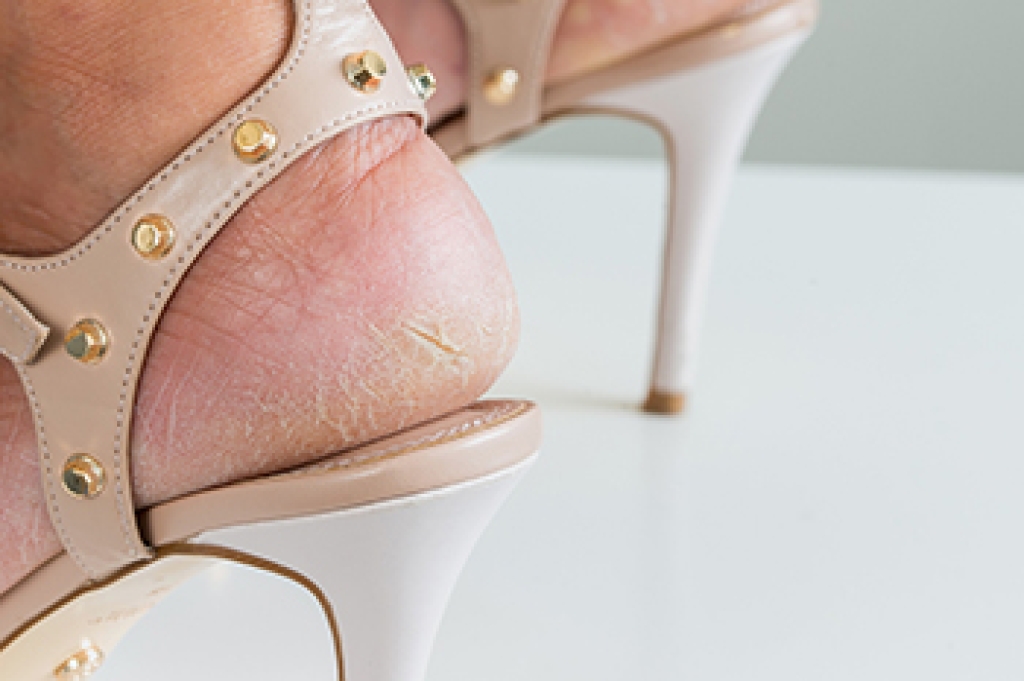
Cracked heels can be both painful and unsightly, but with some simple care and attention, you can prevent and heal them. The key to healthy heels lies in consistent and gentle care. This can begin by moisturizing your feet daily, especially after a warm shower or bath. Opt for a thick, hydrating foot cream or petroleum jelly which can help to lock in moisture. Exfoliating regularly by using a pumice stone or foot scrub can help to remove dead skin, but make sure to be gentle to avoid further irritation. Wearing well-fitting shoes with proper arch support is essential. Avoid walking barefoot or wearing non-supportive footwear. Additionally, maintaining a balanced diet and staying hydrated can help to nourish your skin from within. By following these gentle steps, you can keep your heels soft, smooth, and free from painful cracks. For severe cases of cracked heels, it is suggested that you consult a podiatrist for professional guidance. 

If the skin on your feet starts to crack, you may want to see a podiatrist to find treatment. If you have any concerns, contact Frederick Matthews, DPM from Innovative Foot and Ankle Care. Our doctor can provide the care you need to keep you pain-free and on your feet.

Cracked Heels

It is important to moisturize your cracked heels in order to prevent pain, bleeding, and infection. The reason cracked heels form is because the skin on the foot is too dry to support the immense pressure placed on them. When the foot expands, the dry skin on the foot begins to split.

Ways to Help Heal Them

  • Invest in a good foot cream
  • Try Using Petroleum Jelly
  • Ease up on Soaps
  • Drink Plenty of Water

Ways to Prevent Cracked Heels

  • Moisturize After Showering
  • Skip a Shower
  • Keep Shower Water Lukewarm
  • Don’t Scrub Your Feet

If you are unsure how to proceed in treating cracked heels, seek guidance from a podiatrist. Your doctor will help you with any questions or information you may need. 

If you have any questions, please feel free to contact our office located in Plano, TX . We offer the newest diagnostic and treatment technologies for all your foot care needs.
Read more about Solutions for Cracked Heels

Proper Shoe Fitting With the Brannock Device

In the world of footwear, there is an indispensable tool known as the Brannock Device. This metal device, patented in 1927 by Charles F. Brannock, has revolutionized how we select and fit shoes. Its significance lies in its ability to provide an accurate measurement of the length and width of one's feet, ensuring that shoes fit properly and comfortably. Proper shoe fitting is more than just a matter of comfort, it is essential for overall foot health. Ill-fitting shoes can lead to problems ranging from blisters and calluses to bunions and posture problems. The Brannock device helps patients and footwear professionals find the perfect fit, promoting proper foot health and preventing future discomfort. If you would like additional information about the Brannock device, it is suggested that you confer with a podiatrist.

Finding a properly-fitting shoe is important in reducing injuries and preventing foot problems. For more information about treatment, contact Frederick Matthews, DPM from Innovative Foot and Ankle Care. Our doctor will treat your foot and ankle needs.

Proper Shoe Fitting

A common concern when it comes to foot health, having properly fitted shoes can help prevent injuries to the foot. Out feet affect our posture and gait, which in turn affects the biomechanics and overall bodily structure. With 33 joints, 26 bones, and over 100 ligaments, the potential for serious injury is much greater than one realizes. Although the feet cease growth in adulthood, they still change shape as they mature. Here are some factors to consider when it comes to investing in proper fitting shoes:

  • Be sure the shoes fit correctly right away
  • Ensure the ball of your foot fits comfortably in the widest portion of the shoes
  • Even though they may look fashionable, improper fitting shoes can either create adverse conditions or exacerbate existing ones you may already have
  • Walk along a carpeted surface to ensure the shoes comfortably fit during normal activity

Keeping in mind how shoes fit the biomechanics of your body, properly-fitting shoes are vitally important. Fortunately, it is not difficult to acquire footwear that fits correctly. Be sure to wear shoes that support the overall structure of your body. Do your feet a favor and invest in several pairs of well-fitted shoes today.

If you have any questions, please feel free to contact our office located in Plano, TX . We offer the newest diagnostic and treatment technologies for all your foot care needs.
Read more about Proper Shoe Fitting

Causes and Symptoms of Sever’s Disease

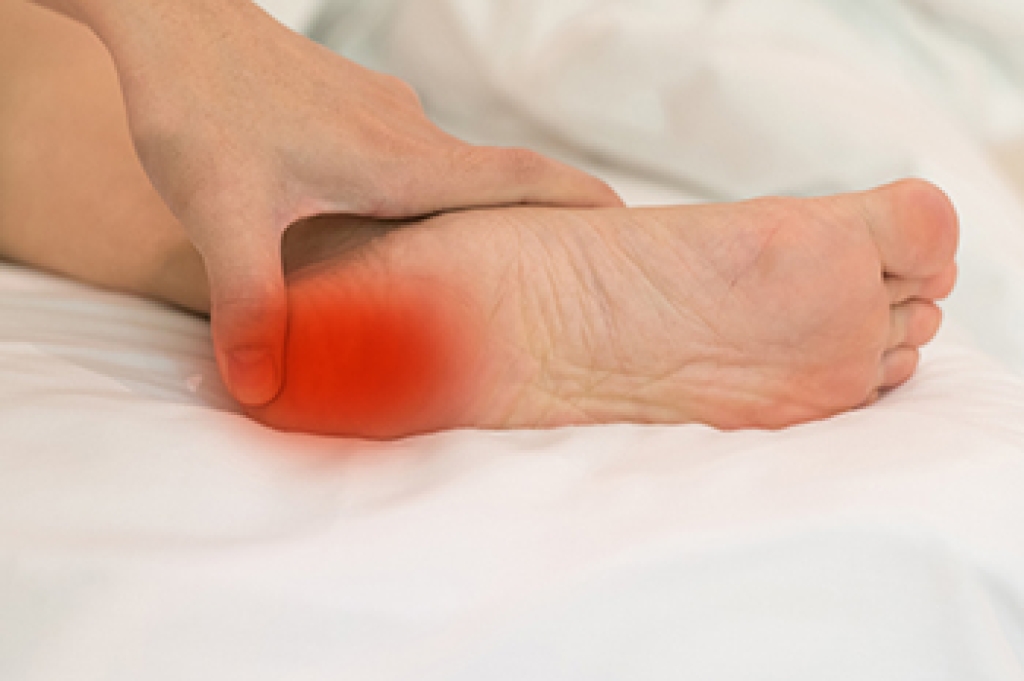
Sever's disease, also known as calcaneal apophysitis, is a common condition affecting young athletes, particularly those engaged in activities that involve running and jumping. This condition occurs when the growth plate at the back of the heel bone becomes inflamed due to repetitive stress and tension. Sever's disease is most prevalent during periods of rapid growth when the bones and muscles develop at different rates. As a result, symptoms often include heel pain, tenderness, and swelling, particularly after physical activity. The discomfort can limit a child's ability to participate in sports, and walking may become painful. Recognizing the connection between growth spurts and heel pain can prompt early intervention and management of Sever's disease to ensure a smoother path toward physical activity and development. If your child has heel pain, it is strongly suggested that you consult a podiatrist who can effectively diagnose and treat Sever’s disease.

Sever's disease often occurs in children and teens. If your child is experiencing foot or ankle pain, see Frederick Matthews, DPM from Innovative Foot and Ankle Care. Our doctor can treat your child’s foot and ankle needs.

Sever’s Disease

Sever’s disease is also known as calcaneal apophysitis, which is a medical condition that causes heel pain I none or both feet. The disease is known to affect children between the ages of 8 and 14.

Sever’s disease occurs when part of the child’s heel known as the growth plate (calcaneal epiphysis) is attached to the Achilles tendon. This area can suffer injury when the muscles and tendons of the growing foot do not keep pace with bone growth. Therefore, the constant pain which one experiences at the back of the heel will make the child unable to put any weight on the heel. The child is then forced to walk on their toes.

Symptoms

Acute pain – Pain associated with Sever’s disease is usually felt in the heel when the child engages in physical activity such as walking, jumping and or running.

Highly active – Children who are very active are among the most susceptible in experiencing Sever’s disease, because of the stress and tension placed on their feet.

If you have any questions, please feel free to contact our office located in Plano, TX . We offer the newest diagnostic and treatment technologies for all your foot care needs.

Read more about Sever's Disease

Why Live with Pain and Numbness in Your Feet?

Suffering from this type of pain? You may have the foot condition known as Morton's neuroma. Morton's neuroma may develop as a result of ill-fitting footwear and existing foot deformities. We can help.

Connect With Us