
Ingrown Toenails and Their Lasting Solutions

Ingrown toenails are a frequent problem and studies show they tend to affect men more often than women. The nail grows into the skin at the edge, leading to pain, swelling, and sometimes infection. While trimming the nail properly, soaking the foot, and wearing wide shoes can bring relief, these conservative steps do not always stop the condition from coming back. For many people, surgical correction offers a more reliable long-term outcome by removing part of the nail or reshaping the nail bed. In addition to wearing tight footwear and improper toenail cutting, ingrown nails may also develop from underlying medical conditions, poor foot hygiene, or even certain medications that alter nail growth. If you struggle with recurring ingrown toenails or notice signs of infection, it is suggested that you schedule an appointment with a podiatrist to explore the most effective treatment.

Ingrown toenails may initially present themselves as a minor discomfort, but they may progress into an infection in the skin without proper treatment. For more information about ingrown toenails, contact Frederick Matthews, DPM of Innovative Foot and Ankle Care. Our doctor can provide the care you need to keep you pain-free and on your feet.

Ingrown Toenails

Ingrown toenails are caused when the corner or side of a toenail grows into the soft flesh surrounding it. They often result in redness, swelling, pain, and in some cases, infection. This condition typically affects the big toe and may recur if it is not treated properly.

Causes

  • Improper toenail trimming
  • Genetics
  • Improper shoe fitting
  • Injury from pedicures or nail picking
  • Abnormal gait
  • Poor hygiene

You are more likely to develop an ingrown toenail if you are obese, have diabetes, arthritis, or have any fungal infection in your nails. Additionally, people who have foot or toe deformities are at a higher risk of developing an ingrown toenail.

Symptoms

Some symptoms of ingrown toenails are redness, swelling, and pain. In rare cases, there may be a yellowish drainage coming from the nail.

Treatment

Ignoring an ingrown toenail can have serious complications. Infections of the nail border can progress to a deeper soft-tissue infection, which can then turn into a bone infection. You should always speak with your podiatrist if you suspect you have an ingrown toenail, especially if you have diabetes or poor circulation.

If you have any questions, please feel free to contact our office located in Plano, TX . We offer the newest diagnostic and treatment technologies for all your foot care needs.

Read more about Ingrown Toenails

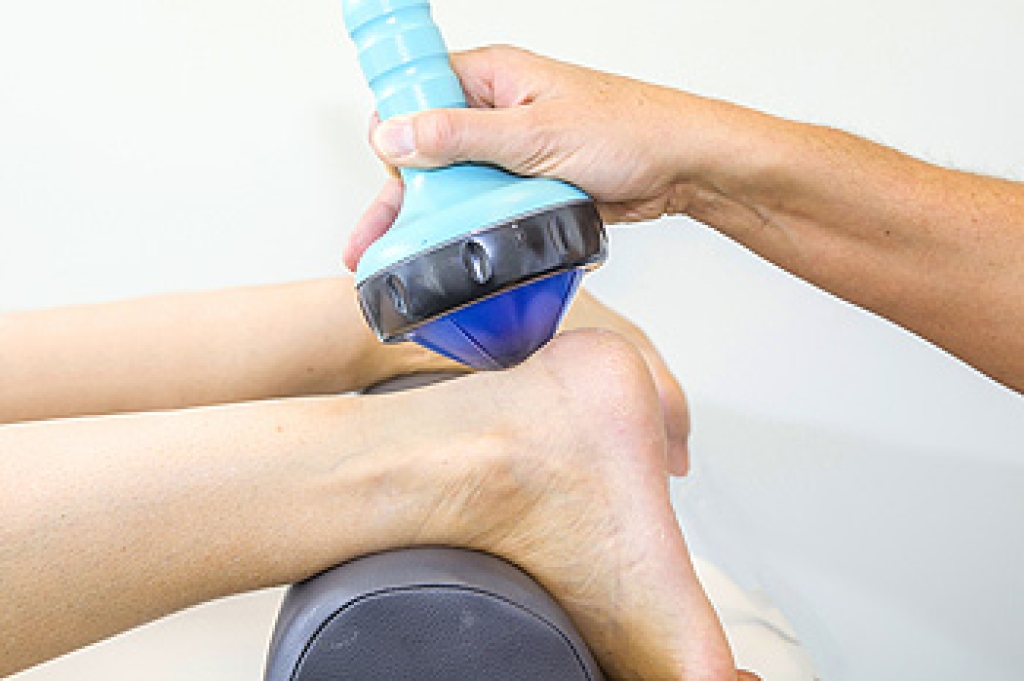
Can Shockwave Therapy Help Chronic Foot Pain?

The medical procedure that is referred to as shockwave therapy may be beneficial in reducing the pain that is associated with plantar fasciitis, heel spurs, and discomfort from an Achilles tendon injury. It is applied through the surface of the skin, and is known to accelerate the healing process as blood vessels are repaired. The benefits of this type of treatment can include a speedy recovery, no anesthesia, and that the procedure is simple to apply. If you suffer from chronic foot pain, and would like additional information about shockwave therapy, it is suggested that you schedule an appointment with a podiatrist who can determine if this is the correct treatment for you.

Shockwave therapy is a treatment commonly used to treat various injuries and conditions, particularly plantar fasciitis in the feet. To learn more, consult with Frederick Matthews, DPM from Innovative Foot and Ankle Care. Our doctor can provide the care you need to keep you pain-free and on your feet.

Shockwave Therapy

Shockwave therapy is a new treatment option designed to treat bone conditions such as tennis elbow, shoulder pain, and others. Shockwave therapy uses high intensity sound waves that are directed to the affected tissues of the body with pinpoint accuracy. The effects are very beneficial, leading to a production of collagen fibers, eliminating inflammation.

Who Benefits from Shockwave?

Shockwave is recommended for patients suffering from heel pain and associated problems. Heel pain is a common condition which can be caused by obesity, overexertion, and spending a substantial amount of time on hard floors with your feet exposed and unsupported.

Fast and Easy

The therapy is actually a simple process that can leave patients feeling better the very next day. Shockwave therapy is not as dramatic as it sounds. It enables more blood flow to effected areas, addressing the source of the problem and allowing treatment to last for a long time.

Treatment & Recovery Time

Shockwave treatment will enable your feet to recover quickly. This is especially important since surgery is not required. It is cost effective and does not require the use of anesthesia. This treatment is a better option to surgery, since it is proven safe.

If you have any questions, please feel free to contact our office located in Plano, TX . We offer the newest diagnostic and treatment technologies for all your foot care needs.
Read more about Treating Heel Pain with Shockwave Therapy

Expert Guidance From a Podiatrist on Athlete’s Foot

Athlete’s foot is a common fungal infection that affects the skin of the feet, often developing between the toes. It occurs when the fungus grows in warm, moist environments, such as sweaty socks or communal showers. Causes include direct contact with contaminated surfaces, shared footwear, and poor foot hygiene. Risk factors include excessive sweating, wearing tight or non breathable shoes, and weakened immunity. Symptoms may include itching, burning, redness, peeling skin, and an unpleasant odor. A podiatrist can provide an accurate diagnosis, recommend antifungal treatments, and offer guidance on proper foot care to prevent recurrence. If you have symptoms of athlete’s foot, it is suggested that you consult a podiatrist who can offer effective relief and treatment remedies, which may include prescribed medication.

Athlete’s foot is an inconvenient condition that can be easily reduced with the proper treatment. If you have any concerns about your feet and ankles, contact Frederick Matthews, DPM from Innovative Foot and Ankle Care.  Our doctor will treat your foot and ankle needs.

Athlete’s Foot: The Sole Story

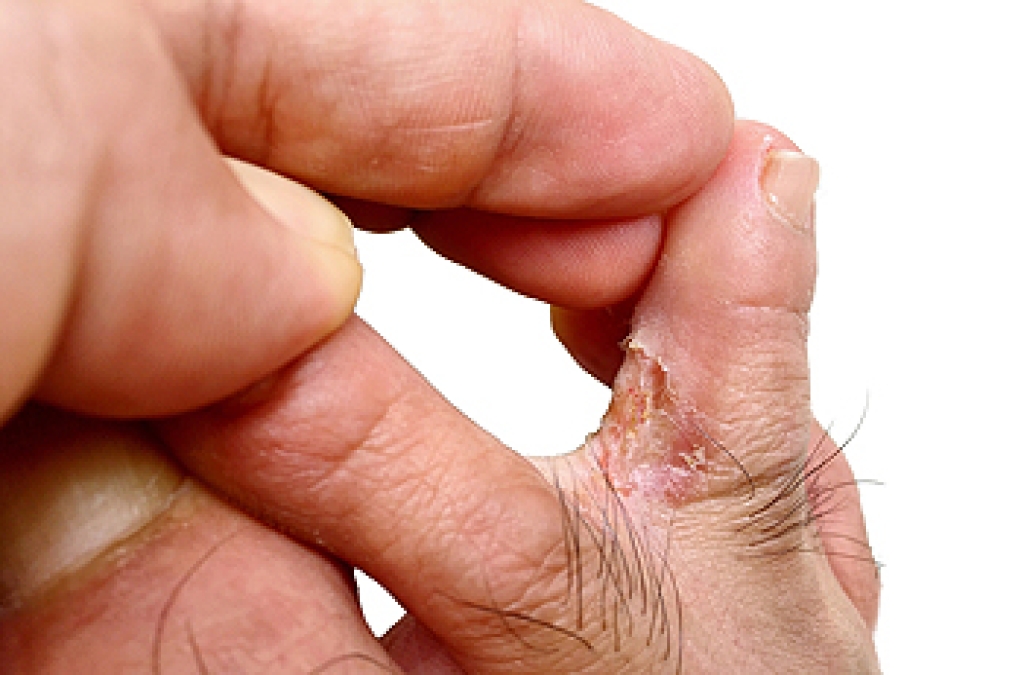
Athlete's foot, also known as tinea pedis, can be an extremely contagious foot infection. It is commonly contracted in public changing areas and bathrooms, dormitory style living quarters, around locker rooms and public swimming pools, or anywhere your feet often come into contact with other people.

Solutions to Combat Athlete’s Foot

  • Hydrate your feet by using lotion
  • Exfoliate
  • Buff off nails
  • Use of anti-fungal products
  • Examine your feet and visit your doctor if any suspicious blisters or cuts develop

Athlete’s foot can cause many irritating symptoms such as dry and flaking skin, itching, and redness. Some more severe symptoms can include bleeding and cracked skin, intense itching and burning, and even pain when walking. In the worst cases, Athlete’s foot can cause blistering as well. Speak to your podiatrist for a better understanding of the different causes of Athlete’s foot, as well as help in determining which treatment options are best for you.

If you have any questions please feel free to contact our office located in Plano, TX . We offer the newest diagnostic and treatment technologies for all your foot and ankle needs.

Read more about Athlete’s Foot

Types of Treatment for Ankle Instability

Ankle instability occurs when the ligaments that support the ankle become stretched or torn, leaving the joint vulnerable to repeated sprains. This condition is commonly seen after multiple ankle injuries, and patients often describe their ankle as rolling inward or feeling as if it may give way. True ankle instability results from weakened ligaments. However, functional instability refers to pain or altered mechanics that create the sensation of looseness, even if the ligaments remain stable. Both forms can cause discomfort on the outside or inside of the ankle due to strain on tendons or irritation from altered joint motion. Risk factors include prior ankle sprains, and participation in sports that demand quick changes in direction. A podiatrist can evaluate the extent of instability, identify whether the problem is structural or functional, and recommend treatment. If you experience the feeling that your ankle is giving way, it is suggested that you schedule an appointment with a podiatrist for an accurate diagnosis and appropriate treatment.

Ankle pain can be caused by a number of problems and may be potentially serious. If you have ankle pain, consult with Frederick Matthews, DPM from Innovative Foot and Ankle Care. Our doctor will assess your condition and provide you with quality foot and ankle treatment.

Ankle pain is any condition that causes pain in the ankle. Due to the fact that the ankle consists of tendons, muscles, bones, and ligaments, ankle pain can come from a number of different conditions.

Causes

The most common causes of ankle pain include:

  • Types of arthritis (rheumatoid, osteoarthritis, and gout)
  • Ankle sprains
  • Broken ankles
  • Achilles tendonitis
  • Achilles tendon rupture
  • Stress fractures
  • Bursitis
  • Tarsal tunnel syndrome
  • Plantar fasciitis

Symptoms

Symptoms of ankle injury vary based upon the condition. Pain may include general pain and discomfort, swelling, aching, redness, bruising, burning or stabbing sensations, and/or loss of sensation.

Diagnosis

Due to the wide variety of potential causes of ankle pain, podiatrists will utilize a number of different methods to properly diagnose ankle pain. This can include asking for personal and family medical histories and of any recent injuries. Further diagnosis may include sensation tests, a physical examination, and potentially x-rays or other imaging tests.

Treatment

Just as the range of causes varies widely, so do treatments. Some more common treatments are rest, ice packs, keeping pressure off the foot, orthotics and braces, medication for inflammation and pain, and surgery.

If you have any questions please feel free to contact our office located in Plano, TX . We offer the newest diagnostic tools and technology to treat your foot and ankle needs.

Read more about Ankle Pain

Connect With Us