
Causes and Symptoms of Athlete’s Foot Explained

Athlete’s foot is a contagious fungal infection that affects the outer layer of the skin on the feet. It commonly develops in areas where moisture is trapped, creating an ideal environment for fungal growth. The infection is often seen in individuals who frequently use shared spaces, such as gyms or swimming areas. Because it spreads easily, understanding the causes and symptoms of athlete’s foot is important for protecting foot health and preventing recurrence.

The symptoms of athlete’s foot can vary but often include persistent itching, redness, and irritation between the toes. The skin may become flaky, cracked, or soft due to prolonged moisture exposure. Some individuals experience a burning sensation or mild pain, especially when the skin becomes damaged. In more advanced cases, blisters or ulcers may form. These symptoms can interfere with daily comfort and may worsen without proper care.


Risk factors for athlete’s foot include wearing damp socks, using tight-fitting shoes, and having prolonged exposure to humid conditions. Walking barefoot in public places increases the chance of coming into contact with the fungus. Additional causes include poor foot hygiene and not allowing shoes to dry properly between uses. People who sweat heavily or have a compromised immune system may also be at higher risk for infection.


Managing athlete’s foot requires attention to hygiene and environmental factors. Keeping the feet dry, changing socks regularly, and using antifungal products can help control the infection. Avoiding shared personal items and disinfecting footwear can reduce the chance of reinfection. Taking preventive steps supports long-term foot health and comfort. If you have symptoms of athlete’s foot, it is suggested that you consult a podiatrist for effective treatment solutions, which may include prescribed medication.

Athlete’s foot is an inconvenient condition that can be easily reduced with the proper treatment. If you have any concerns about your feet and ankles, contact Frederick Matthews, DPM from Innovative Foot and Ankle Care.  Our doctor will treat your foot and ankle needs.

Athlete’s Foot: The Sole Story

Athlete's foot, also known as tinea pedis, can be an extremely contagious foot infection. It is commonly contracted in public changing areas and bathrooms, dormitory style living quarters, around locker rooms and public swimming pools, or anywhere your feet often come into contact with other people.

Solutions to Combat Athlete’s Foot

  • Hydrate your feet by using lotion
  • Exfoliate
  • Buff off nails
  • Use of anti-fungal products
  • Examine your feet and visit your doctor if any suspicious blisters or cuts develop

Athlete’s foot can cause many irritating symptoms such as dry and flaking skin, itching, and redness. Some more severe symptoms can include bleeding and cracked skin, intense itching and burning, and even pain when walking. In the worst cases, Athlete’s foot can cause blistering as well. Speak to your podiatrist for a better understanding of the different causes of Athlete’s foot, as well as help in determining which treatment options are best for you.

If you have any questions please feel free to contact our office located in Plano, TX . We offer the newest diagnostic and treatment technologies for all your foot and ankle needs.
Read more about How to Deal with Athlete's Foot

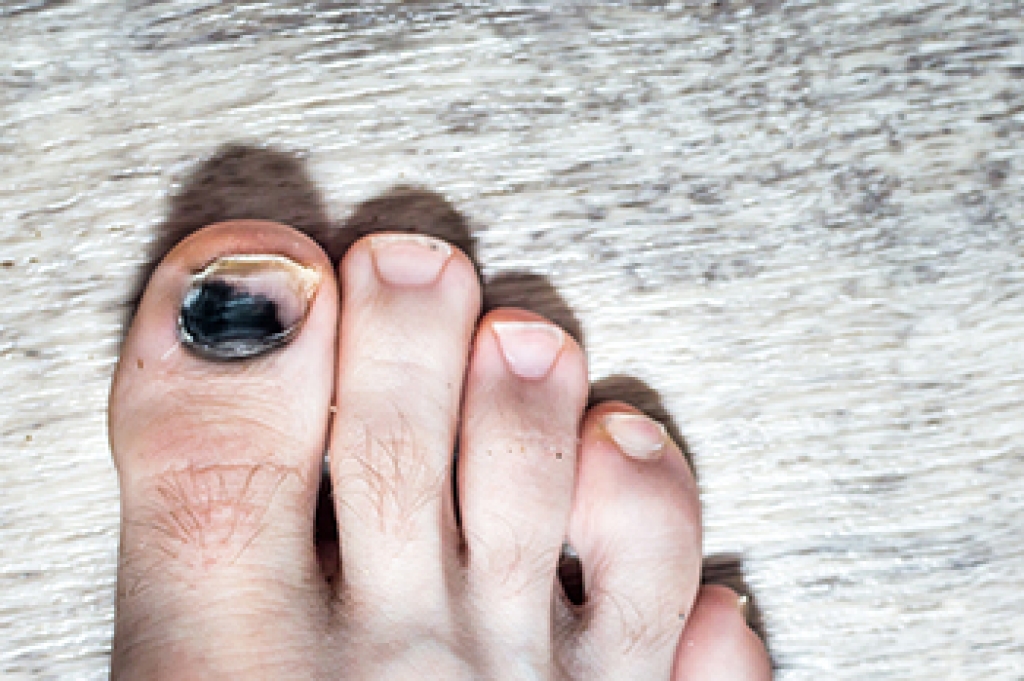
What Causes Toenails to Turn Black?

Black toenails can be alarming. They usually develop after trauma, like stubbing a toe or dropping a heavy object on the foot. Blood becomes trapped beneath the nail, creating the dark appearance. Repeated pressure from wearing shoes that do not fit correctly also causes bruising, especially in runners and people who spend long hours on their feet. In other cases, a fungal infection changes the nail color after entering through a small crack near the nail. Certain health problems, like diabetes, can also affect nail color. Although uncommon, a dark streak beneath the nail sometimes points to a serious skin cancer that requires prompt evaluation.

A podiatrist examines the affected toenail and asks about recent injuries, daily activities, and the types of shoes you wear. The examination helps determine whether the discoloration comes from bleeding beneath the nail, a fungal infection, or another medical condition. When necessary, a small sample of the nail is collected for laboratory testing to identify a fungal infection. Imaging studies help evaluate severe injuries involving the toe. If the appearance raises concern for skin cancer, a biopsy is performed. A biopsy involves removing a small piece of tissue so it can be examined under a microscope. Early diagnosis helps protect the nail and identify serious conditions before they become more difficult to treat.

Treatment depends on the cause of the discoloration. A podiatrist can relieve painful pressure beneath the nail after certain injuries by safely draining the trapped blood. Damaged nails that cannot heal properly sometimes require removal. Fungal infections receive appropriate medical treatment and regular monitoring to encourage healthy nail growth. Patients with diabetes or circulation problems benefit from careful foot evaluations because these conditions increase the risk of nail complications. Prompt care also helps reduce the chance of permanent nail damage. If you have toenails that are discolored, it is suggested that you schedule an appointment with a podiatrist for a diagnosis and appropriate treatment.

Toe pain can disrupt your daily activities. If you have any concerns, contact Frederick Matthews, DPM of Innovative Foot and Ankle Care. Our doctor can provide the care you need to keep you pain-free and on your feet.

What Causes Toe Pain?

Most severe toe pain is caused due to a sports injury, trauma from dropping something heavy on the toe, or bumping into something rigid. Other problems can develop over time for various reasons.

Toe pain can be caused by one or more ailments. The most common include:

  • Trauma
  • Sports injury
  • Wearing shoes that are too tight
  • Arthritis
  • Gout
  • Corns and calluses
  • Hammertoe
  • Bunions
  • Blisters
  • Ingrown toenails
  • Sprains
  • Fractures (broken bones)
  • Dislocations

When to See a Podiatrist

  • Severe pain
  • Persistent pain that lasts more than a week
  • Signs of infection
  • Continued swelling
  • Pain that prevents walking

Diagnosis

In many cases the cause of toe pain is obvious, but in others, a podiatrist may want to use more advanced methods to determine the problem. These can range from simple visual inspections and sensation tests to X-rays and MRI scans. Prior medical history, family medical history, and any recent physical traumatic events will all be taken into consideration for a proper diagnosis.

Treatment

Treatments for toe pain and injuries vary and may include shoe inserts, padding, taping, medicines, injections, and in some cases, surgery. If you believe that you have broken a toe, please see a podiatrist as soon as possible.

If you have any questions please contact our office located in Plano, TX . We offer the newest diagnostic and treatment technologies for all your foot and ankle needs.

Read more about Toe Pain

Connect With Us

Advanced Podiatric Procedures & Services in the Collin County, TX: Plano (Frisco, Allen, Murphy, Lucas) and Dallas County, TX: Garland, Carrollton, Richardson, Farmers Branch, Sachse, Addison areas